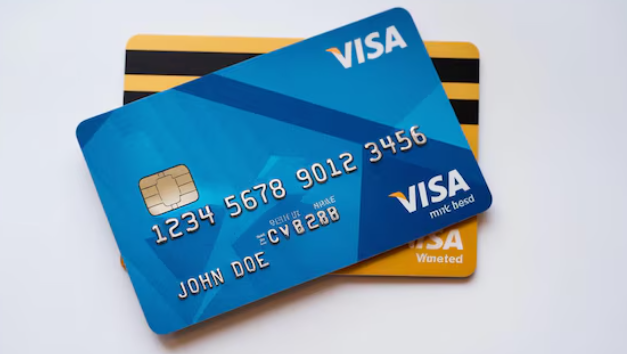
| Overview: RuPay, Visa and Mastercard are the three most common payment networks used for credit and debit cards in India. Each network differs in acceptance, international reach, transaction fees and benefits. Choosing the right card network can influence convenience, rewards, international usage and the overall payment experience. |
RuPay vs Visa vs Mastercard: Which Card Network Should You Choose?
Digital payments have grown rapidly in India. According to the Reserve Bank of India (RBI), card payments and digital transactions have increased significantly with the expansion of UPI and online commerce. Payment networks such as RuPay, Visa and Mastercard power millions of card transactions every day.
These networks do not issue cards themselves; instead, they partner with banks to process payments securely across merchants, ATMs and online platforms. Understanding the difference between these networks can help you choose a card that fits your spending habits, travel needs and payment preferences.
RuPay vs Visa vs Mastercard – Key Differences
When comparing RuPay vs Visa vs Mastercard, the key differences lie in global acceptance, transaction costs, and integration with India’s digital payment ecosystem.
| Feature | RuPay | Visa | Mastercard |
| Origin | India | United States | United States |
| Network Ownership | National Payments Corporation of India (NPCI) | Visa Inc. | Mastercard Inc. |
| Global Acceptance | Limited compared to others | Very high | Very high |
| Transaction Processing | Domestic network | International network | International network |
| Fees | Usually lower | Higher than RuPay | Similar to Visa |
| UPI Integration | Supported on RuPay credit cards | Limited | Limited |
In the RuPay vs Visa vs Mastercard comparison, RuPay cards are generally more suited for domestic transactions, while Visa and Mastercard are widely accepted across international merchants and travel destinations, especially for people using international travel cards.
What is a RuPay Card?
A RuPay card is a payment card launched by the National Payments Corporation of India (NPCI) to support domestic digital payments. It was introduced to reduce reliance on international card networks.

Features of RuPay cards:
- Designed primarily for Indian payment infrastructure
- Lower processing fees for merchants
- Strong integration with UPI payments
- Accepted widely across Indian ATMs and online merchants
- Growing international acceptance through partnerships
RuPay cards are becoming increasingly popular because they support UPI payments with credit cards, allowing users to make everyday transactions directly through UPI apps or digital wallets such as Google Pay.
| Important to Know: RuPay credit cards allow UPI payments through linked apps, making small daily transactions easier. |
What is a Visa Card?
Visa is one of the largest global payment networks. Cards powered by Visa are issued by banks and can be used across millions of merchants worldwide.
Key characteristics:
- Extremely high international acceptance
- Works across most global ATMs and online platforms
- Advanced fraud protection systems
- Widely used for international travel and online subscriptions
Visa cards are commonly preferred by people who:
- Travel abroad frequently
- Shop from international websites
- Need reliable global acceptance
Because of its global reach, Visa remains a widely trusted network for cross-border transactions and online payments, including international payments.
What is a Mastercard?
Mastercard is another major global payment network that competes closely with Visa. Banks partner with Mastercard to issue debit, credit and prepaid cards.
Common benefits include:
- Acceptance in over 200 countries
- Secure payment technologies
- Global ATM network
- Special travel and lifestyle benefits on premium cards
In the RuPay vs Visa vs Mastercard debate, Mastercard offers benefits similar to Visa in terms of global usability and merchant acceptance.
| Fact to Know: Visa and Mastercard are payment processors; banks issue the actual credit cards. |
Quick Comparison: Usage Scenarios
The table below highlights which card network is generally better suited for different payment situations.
| Scenario | Best Network |
| Domestic transactions | RuPay |
| International travel | Visa / Mastercard |
| Online international shopping | Visa / Mastercard |
| UPI payments with credit cards | RuPay |
| Mistakes to Avoid: Choosing a card network without considering where you mostly spend or travel. |
How to Choose the Right Card for You:
Selecting between RuPay vs Visa vs Mastercard depends on your lifestyle and spending behaviour.
Consider these factors before choosing:
1. Domestic vs International Usage
- Mostly spend in India → RuPay may be sufficient
- Frequent international travel → Visa or Mastercard is better
2. Digital Payment Preferences
- If you frequently use UPI, RuPay credit cards provide better integration.
3. Merchant Acceptance
- International merchants usually accept Visa and Mastercard more widely. They are also commonly used for online shopping and global subscriptions.
4. Credit Card Benefits
The benefits of a credit card often depend more on the bank and card features than the payment network itself.
For example, some cards combine strong rewards with modern payment features. The Airtel Axis Bank Credit Card also offers a RuPay variant, allowing UPI payments while earning cashback on eligible spending.
Making the Right Choice Between RuPay, Visa and Mastercard
Choosing between RuPay vs Visa vs Mastercard depends on how and where you spend. RuPay cards work well for domestic transactions and support UPI payments, making them convenient for everyday spending in India. Visa and Mastercard offer wider global acceptance, making them better for international travel and cross-border online purchases. Before selecting a card, consider merchant acceptance, transaction convenience and the rewards offered by the issuing bank.
If you want a card that combines cashback benefits with modern payment options, the Airtel Axis Bank Credit Card can be a practical choice for everyday purchases and digital payments.
Frequently Asked Questions
1. What is the main difference between RuPay, Visa and Mastercard?
The main difference lies in network origin, acceptance and processing. RuPay is India’s domestic network, while Visa and Mastercard are global networks accepted internationally across merchants, ATMs and online platforms.
2. Is RuPay accepted internationally?
RuPay has growing international acceptance through partnerships with global payment networks. However, Visa and Mastercard still have wider worldwide merchant and ATM acceptance compared to RuPay cards.
3. Which card network is best for international travel?
Visa and Mastercard are usually better for international travel because they have extensive global acceptance across merchants, ATMs and online payment platforms in most countries.
4. Can RuPay credit cards be used for UPI payments?
Yes, RuPay credit cards support UPI transactions through compatible apps. This allows users to make everyday payments using their credit card through the UPI ecosystem.
5. Does the card network affect rewards and benefits?
Rewards and benefits usually depend on the issuing bank and card type rather than the network. However, some networks may support specific payment technologies or offers.