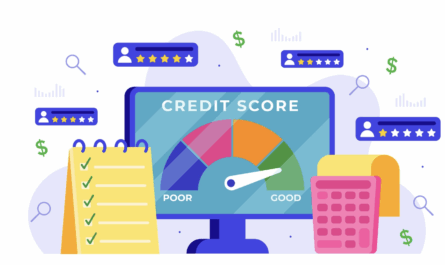
You got a raise. That’s real progress. But if your first move is a ₹40k to ₹60k purchase on your credit card, your score could drop 30 to 40 points in a single billing cycle. Here’s how to spend smarter without losing the credit momentum you’ve built.
Why Your Raise Doesn’t Touch Your Score
Your salary is never reported to CIBIL. Your income could double tomorrow, and your score would stay exactly the same. What CIBIL tracks is how you use credit. Specifically, credit utilisation carries roughly 30% of your total score weight. That makes it the second biggest factor after payment history.
Utilisation is simple math: your reported card balance divided by your total credit limit. If you have a ₹60,000 limit and your statement shows ₹45,000 outstanding, your utilisation is 75%. That’s a score killer, even if you plan to pay the full amount on your due date.
The target? Stay under 30% on every card, every month.
The Statement Date Trap
Most people think paying by the due date is enough. It’s not. Your card issuer reports your balance to CIBIL on your statement generation date. That’s typically 20 to 25 days before your due date.
So if you bought a ₹45,000 phone on the 10th and your statement generates on the 15th, CIBIL sees 75% utilisation. You could pay the full bill two weeks later, and it won’t matter. The damage is already recorded.
The fix is straightforward:
- Find your statement generation date (check your card app or last statement)
- Pay down your balance 3 to 5 days before that date
- Set a monthly calendar reminder so you never miss it
This alone can improve your score by 15 to 30 points within 30 to 45 days.
Convert your big purchases in Easy EMI : Pre-qualified loan offer amount of up to ₹ 3 Lakhs
Split Big Purchases Instead of Maxing One Card
Post-appraisal purchases are fine. The problem is loading everything onto a single card. CIBIL looks at per-card utilisation, not just your overall ratio. One maxed-out card hurts your score even if your other cards are at zero.
For any purchase above ₹20,000, you have better options:
- Split the amount across two or more cards to keep each under 30%
- Convert to no-cost EMI at checkout, which spreads the balance across months
- Use the Airtel Bajaj Finserv Insta EMI Card for the purchase, which keeps your existing card utilisation untouched
Someone earning ₹30,000 a month with a ₹60,000 limit might feel comfortable buying a ₹45,000 phone after a raise. But that single purchase would spike utilisation to 75% on that card. Splitting it across two cards or converting to EMI keeps both cards under 40%.
Request a Limit Increase After Your Raise
Here’s a move most people overlook. After 2 to 3 months of your new salary hitting your account, call your card issuer and request a credit limit increase. If your limit goes from ₹60,000 to ₹1,00,000, the same ₹30,000 balance drops your utilisation from 50% to 30%. Your spending stays identical, but your score improves.
Steps to get this done:
- Wait until your new salary has been credited at least twice
- Call your card issuer or use their app to request a limit increase
- Keep your existing card active and open. Closing old cards reduces your total available credit, which pushes utilisation higher
This costs nothing and takes one phone call.
Use Gold Loans for Large Planned Expenses
Weddings, home appliances, family commitments. These are real expenses that come with appraisal season. But putting ₹50,000 or more on your credit card is the worst way to fund them if you’re trying to protect your score.
A Gold Loan is a secured product. It doesn’t count toward your revolving credit utilisation at all. Approval rates exceed 90% because it’s backed by collateral, and it requires just one soft enquiry. No score impact.
If you’re in the 600 to 750 range and building toward Personal Loan or Credit Card eligibility at 680 or above, keeping your card utilisation clean is critical. Read our 2-Minute Tip on how crossing 650 unlocks better loan rates for more on why this threshold matters.
For any planned expense above ₹30,000, check Gold Loan eligibility before reaching for your credit card.
Your 30-Day Action Plan After Appraisal
Don’t let a good raise set your score back. Here’s your checklist for the next 30 days:
- Find your statement generation date and set a payment reminder 5 days before it
- Pay down existing card balances before the next statement cycle
- Request a credit limit increase after your second new-salary credit
- Use the Airtel Bajaj Finserv Insta EMI Card or Airtel Finance Gold Loan for any purchase above ₹20,000
- Avoid applying for new credit until your score crosses 650
You’re in the score range where every 20 to 30 points matters. One disciplined month can move you closer to 730 and mainstream loan access. One careless purchase can cost you months of progress.
Check your current credit utilisation in the Airtel app Score Tracker to see exactly where you stand today.