| Overview:Consumer CIBIL evaluates an individual’s personal creditworthiness with a 300 to 900 score, while commercial CIBIL assesses a business entity’s credit health using a 1 to 10 CIBIL Rank, where 1 is the lowest risk, each serving distinct lending purposes for personal loans versus business credit. Maintaining strong profiles in both systems is essential, as they directly influence loan approvals, interest rates, and overall financial credibility for individuals and businesses alike.
Consumer and business credit profiles follow distinctly different evaluation systems in India. Knowing the consumer CIBIL vs commercial CIBIL distinction is essential: personal borrowing depends on individual repayment behaviour, while company credit relies on financial strength and operational history. These differences directly influence loan approvals, interest rates, and overall financial credibility, making it crucial to understand which report a lender will examine and why both matter in parallel. |
What Is a Consumer CIBIL Score?
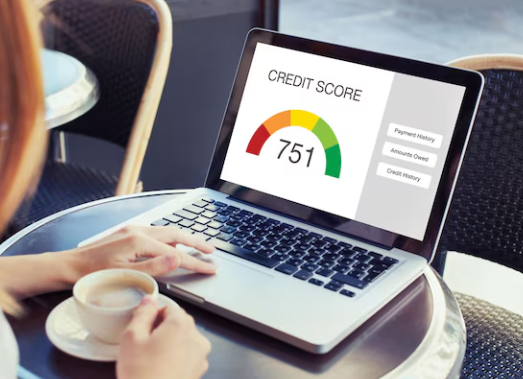
A consumer CIBIL score is a three-digit number that summarises your personal creditworthiness. It ranges from 300 to 900, and a score above 750 is generally viewed as strong by most lenders. Whenever you apply for a credit card, personal loan, home loan, or auto loan, the bank or NBFC checks this score to gauge repayment risk. The report behind the score contains detailed information about your borrowing and repayment behaviour over time.
Several factors influence your consumer CIBIL score:
- Your repayment track record, where on time payments boost the score, while a single default can drag it down significantly
- Credit utilisation ratio, as using a large portion of your available credit card limit signals higher risk
- Length of credit history, where older, well-maintained accounts add stability
- Number of recent credit enquiries, as too many hard pulls in a short span can hurt the score
- Credit mix, where a healthy blend of secured (home, auto) and unsecured (personal loan, credit card) products is viewed favourably
You can access your credit report instantly at no cost through Airtel Finance Free Credit Report. This service, certified by CIBIL and CRIF, provides a full report worth ₹399 without impacting your score, helping you detect errors and track your credit health early.
What Is a Commercial CIBIL Report?
A commercial CIBIL report evaluates the credit profile of a business entity, whether a private limited company, partnership, LLP, or sole proprietorship. Unlike a consumer score, a commercial report often includes a credit rank (1 to 10, where 1 signals the lowest risk), available to businesses with credit exposure between ₹10 lakh and ₹50 crore, along with a detailed record of the company’s credit behaviour. Banks, NBFCs, and trade creditors rely on this report before sanctioning business loans, overdrafts, or supplier credit lines.
The typical contents of a commercial report cover:
- Credit facility details, including sanctioned limits and outstanding balances
- Repayment track record of existing business borrowings
- Outstanding liabilities and contingent liabilities such as guarantor positions
- Credit utilisation across facilities and the company’s vintage
- Enquiries made by lenders, typically over the past 24 months
Maintaining a clean commercial credit history is vital. Sustained delays or defaults can lower your rating and affect business loan eligibility requirements. And just as individuals benefit from checking their free credit report, businesses should periodically review their commercial report to ensure accuracy and avoid surprises during loan applications.
Consumer CIBIL vs Commercial CIBIL: Key Differences
The difference between consumer CIBIL and commercial CIBIL becomes sharper when you compare their purpose, audience, and data side by side. The table below highlights the core areas of consumer CIBIL and commercial CIBIL comparison.
| Aspect | Consumer CIBIL | Commercial CIBIL |
| Purpose | Assess personal borrowing risk | Evaluate business credit health |
| Who it applies to | Individual loan/ credit card applicants | Registered businesses (company, firm, LLP) |
| Score/rating system | 300-900 numeric score | 1-10 credit rank (1 = lowest risk) |
| Information included | Repayment history, utilisation, enquiries | Facility details, repayment record, utilisation, enquiries |
| Types of loans covered | Personal loan, credit card, home loan, auto loan | Business loan, overdraft, trade credit, corporate card |
| Lenders | Banks, NBFCs | Banks, NBFCs, trade creditors |
Purpose
The consumer CIBIL report serves as a personal creditworthiness assessment, telling lenders how responsibly you handle debt. The commercial CIBIL report, by contrast, provides a record of the company’s credit conduct so lenders can judge a firm’s ability to repay.
Who It Applies To
A consumer CIBIL applies to any individual seeking retail credit, from a first time credit card user to a home loan applicant. A commercial CIBIL applies to business entities, from small MSMEs to large corporations, that need institutional funding.
Score or Rating System
The consumer CIBIL score vs commercial CIBIL score comparison reveals two different scales. Individuals are rated 300 to 900; businesses receive a 1 to 10 rank, where a lower number means lower perceived risk. This distinction is a cornerstone of the credit report purpose differentiation between personal and business lending.
Information Included
Consumer reports capture individual borrowing behaviour tracking data like payment history, credit card usage, and enquiry footprints. Commercial reports capture credit facility details, repayment records, and utilisation, inputs that shape a business credit evaluation system.
Types of Loans Covered
Consumer CIBIL is checked for personal loan, credit card, home loan, and auto loan applications. Commercial CIBIL matters for business loans, working capital limits, supplier credit, and any form of institutional lending that demands a commercial credit ranking system.
How to Check Your Consumer or Commercial CIBIL Report
Accessing your consumer credit report is quick and completely digital. For a commercial report, the process involves a few more verification steps but remains straightforward. In both cases, staying updated is a key part of credit profile monitoring.
To get your consumer CIBIL report:
- Open the Airtel app and navigate to the Free Credit Report section.
- Enter your PAN, date of birth, and mobile number linked to your credit accounts.
- Authenticate with the OTP sent to your registered mobile number.
- View and download your credit report instantly. The Airtel Finance Free Credit Report service gives you a report worth ₹399 without any charge or impact on your score.
For a commercial CIBIL report:
- Visit the CIBIL company bureau website and create a business account.
- Provide your company’s PAN, along with its CIN (Corporate Identification Number) or LLPIN where applicable, registered address, and director details.
- Upload the required KYC documents and pay the applicable fee (commercial reports are not free).
- Complete verification as prompted; once processed, download the detailed business credit report.
If you spot any inaccuracy in your consumer report, raise a dispute through the official CIBIL Dispute Online Guide. For any report related query, CIBIL Customer Care is also available to assist. Should the need arise to apply for a credit card, a clean report will strengthen your application and improve your credit card eligibility.
Why Maintaining a Good CIBIL Profile Matters
A strong credit profile, whether consumer or commercial, does more than just improve your approval odds. It can also shorten loan processing time and reduce your borrowing cost. Regularly monitoring your consumer CIBIL and commercial CIBIL standing helps you detect issues early and maintain financial credibility with lenders.
Better Loan Eligibility
A good score or rank increases your credit card eligibility and business loan approval rates. Lenders view a high consumer score or a low risk commercial rank as a signal that you meet their lender decision making criteria reliably, a factor that directly answers the question of what is the difference in consumer CIBIL and commercial CIBIL when applying for different credit products.
Faster Loan Approvals
When your credit history is clean, verification becomes a smooth, automated process. This directly translates into faster sanction, an advantage that benefits both personal loan applications and business credit applications. A well-maintained profile supports quick turnarounds and smoother credit access.
Better Interest Rates
Borrowers with excellent credit profiles are often offered reduced interest rates and preferential terms. This is a practical outcome of credit health maintenance, a benefit that directly improves your loan interest rate negotiation position and demonstrates strong financial discipline.
FAQs on Consumer CIBIL vs Commercial CIBIL
Can One Person Have Both Consumer and Commercial CIBIL Scores?
Yes. An individual can have a consumer CIBIL score for personal loans and credit cards, and also be associated with a commercial CIBIL report if they run a business. The two profiles are maintained separately and serve different lending contexts, so one does not replace the other.
How Do Lenders Use Consumer and Commercial CIBIL Reports?
Lenders use consumer reports to evaluate individual applications, which is the crux of personal CIBIL vs business CIBIL. For business loans, they rely on the commercial report to understand the company’s repayment capacity and existing debt, key business credit evaluation system inputs that shape lending decisions.
Which CIBIL Report Is Required for a Business Loan?
For a business loan, the commercial CIBIL report is the primary requirement. If the applicant is a sole proprietor, lenders may also pull the consumer CIBIL score to get a complete picture of the owner’s credit behaviour. This dual check reinforces business loan eligibility requirements for small enterprises.
How Often Are Consumer and Commercial CIBIL Reports Updated?
Since 1 January 2025, the RBI requires lenders to report credit information to bureaus on a fortnightly basis, on the 15th and the last day of each month, replacing the earlier monthly cycle. Any new repayment, default, or credit enquiry generally appears within about three to four weeks, ensuring the credit profile monitoring importance is met for timely financial decisions.
How Can I Improve My Consumer or Commercial CIBIL Profile?
Pay all EMIs and credit card bills on time, keep credit utilisation below 30%, and review your credit report every month. For commercial profiles, clear overdue trade payments, keep facility utilisation in a comfortable range, and raise a dispute promptly if you spot an error, since correcting inaccurate reporting only helps your profile. These steps strengthen both personal creditworthiness assessment and your company’s credit standing over time.