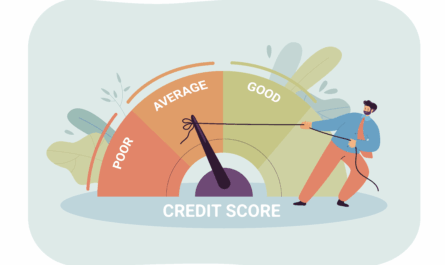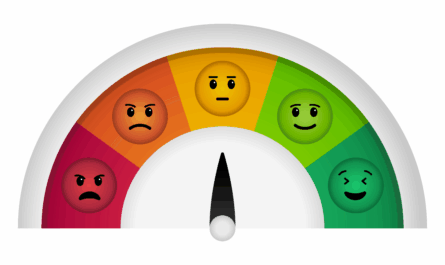
| Overview: A loan against property is possible even with a low CIBIL score because the pledged asset acts as security, giving lenders confidence to approve applications despite credit challenges. While approval may come with higher interest rates, lower loan-to-value ratios, or co-applicant requirements, strengthening your application with stable income proof and a co-applicant with a strong profile can significantly improve your chances. |
Can You Get a Loan Against Property with a Low CIBIL Score?
Yes, it is possible in many cases, as secured loan eligibility depends on more than just your credit score. A loan against property with low CIBIL score is still a secured borrowing option, which means the lender can fall back on your property if repayments falter. That security often makes lenders more willing to overlook a weaker credit score. But you should expect closer scrutiny of your income, employment, and the property’s market worth. The trade-off may be a higher interest rate or a smaller loan amount relative to the property’s value. Understanding exactly where your credit profile stands helps you make a more informed application and negotiate from a stronger position.
What CIBIL Score Do Lenders Prefer for a Loan Against Property?
Lenders don’t work with a single universal cutoff; interest rate determination varies based on your score band and overall profile. Still, most have a clear preference zone that influences both approval speed and the terms you receive. The table below summarises how different CIBIL score range brackets are typically assessed.
| CIBIL Score Range | Approval Possibility | Typical Lender Assessment |
| 750 and Above | High | Low-risk borrower; best interest rates and loan-to-value ratios offered. |
| 700 to 749 | Good | Approvals are usually smooth; may not get the very top-tier rates. |
| 650 to 699 | Moderate | Approval possible; lender may ask for income proof, lower LTV, or a co-applicant. |
| Below 650 | Conditional | Still possible, but often comes with stricter terms, higher interest, and additional documentation. |
750 and Above
A score above 750 signals strong credit discipline. Lenders compete to offer you the best rates and highest eligible loan amounts.
700 to 749
This range still reflects responsible credit behaviour. Approvals move quickly, though the interest rate might be marginally higher than the top tier.
650 to 699
Here lenders grow more cautious. A loan against property with bad CIBIL score in this bracket often requires extra income stability proof, a lower loan-to-value ratio, or a co-applicant with a stronger profile.
Below 650
Approval isn’t impossible. Lenders may compensate by reducing the loan-to-value percentage, charging a higher interest rate, or insisting on a co-applicant. A loan against property for poor credit score in this segment demands that the property’s valuation and your repayment capacity clearly outweigh the credit risk.
Why Does Your CIBIL Score Matter for a Loan Against Property?
Even though the property serves as collateral, lenders still want to see a reliable repayment track record. Your credit report gives them a quick snapshot of how you handle debt, which directly influences the loan’s pricing and structure through repayment capacity assessment. A low score doesn’t always block a loan against property with bad CIBIL, but it does shape the terms you’re offered.
Repayment History
Every late or missed EMI leaves a mark. Lenders treat consistent on-time payments as the strongest indicator of future loan discipline.
Existing Financial Obligations
Running multiple loans simultaneously raises your debt burden. Lenders check whether your income can comfortably absorb another EMI along with current ones.
Credit Utilisation
Maxing out credit cards or personal credit lines signals reliance on borrowed money. Keeping utilisation below 30% strengthens your profile even with a moderate score.
Overall Credit Behaviour
A mix of secured and unsecured loans handled responsibly over time paints a fuller picture. Errors on your report can unfairly drag down the score, which is why a routine credit report errors check matters.
How to Improve Your Chances of Getting a Loan Against Property with a Low CIBIL Score
Lenders don’t make decisions on score alone. You can take several practical steps to shift the odds in your favour, even when the CIBIL number isn’t ideal. A focused approach can bridge the gap between a straight rejection and a workable loan against property with low CIBIL score.
- Apply with a co-applicant – Adding a spouse or family member with a healthy credit profile and stable income immediately reduces the lender’s risk. The co-applicant’s strong repayment record can offset your low score and often helps secure better interest rates.
- Choose a Lower Loan Amount – Requesting an amount well below the maximum eligible limit shows restraint and reduces the lender’s exposure. A smaller loan against a valuable property makes lenders more comfortable, even when the credit score isn’t perfect.
- Improve Your CIBIL Score Before Applying – Use Airtel Finance to Check Your Credit Score for Free and spot quick fixes. Pay off small outstanding dues, correct any inaccuracies, and maintain consistent payments for three to six months to accelerate credit history improvement. A deliberate effort to improve CIBIL score can push you into a more favourable bracket.
- Maintain Stable Income – Present at least one to two years of consistent salary slips or business income proofs. Self-employed applicants should keep audited financials and healthy bank statements ready. Steady cash flow reassures lenders more than any single document.
- Keep Property Documents Ready – Complete, legally clear property papers; title deed, encumbrance certificate, approved building plan; speed up the valuation process. A clean property file demonstrates seriousness and often tilts decisions in borderline cases.
Can You Get a Loan Against Property Without a CIBIL Score?
Yes, you can. If you’re new to credit and have no borrowing history, your CIBIL score may be zero or absent. This doesn’t mean an automatic rejection. Lenders then lean on alternative measures: employment stability, banking relationship, and the property’s market value. A loan against property without CIBIL score gets assessed much like a low-score application; the collateral does a lot of the heavy lifting. Demonstrating reliable income and a low debt-to-income ratio becomes crucial. Some lenders may also ask for a co-applicant with an established credit record to further strengthen the application.
Check Your CIBIL Score with Airtel Finance
Before you approach any lender, knowing exactly where you stand removes guesswork. Airtel Finance lets you do a free CIBIL score check in minutes. The report highlights the factors pulling your score down and pinpoints errors you can dispute. Whether you’re planning to apply now or a few months later, a clear picture of your CIBIL score range and a targeted plan to improve CIBIL score can turn a hesitant lender into a willing one. Understand your loan against property eligibility better by starting with the score that shapes every lender’s first impression.
Conclusion
A loan against property with low CIBIL score is not out of the question. The secured nature of the loan gives lenders a safety net, which works in your favour even when the credit score isn’t glowing. Realistically, you may face a higher interest rate or a slightly lower loan-to-value offer, but approval remains achievable. Strengthen your application with a co-applicant, stable income documentation, and a well-valued property. Most importantly, take control of your credit health. A small score improvement today can unlock significantly better terms tomorrow.
FAQs on Loan Against Property with a Low CIBIL Score
Can I get a loan against property with a 600 CIBIL score?
Yes, a 600 score falls in the high-risk category, but approval isn’t ruled out. Lenders will compensate by lowering the loan-to-value ratio, raising the interest rate, or requiring a co-applicant with a strong credit profile. The property’s valuation and your income consistency become the deciding factors. Expect stricter documentation and a longer approval process. If possible, spend a few months improving the score before applying to secure better terms.
What is the minimum CIBIL score required for a loan against property?
Most banks and NBFCs prefer a score of 700 or above, with 750 being the comfort zone. Some lenders may consider applications at 650, but the interest cost and conditions tighten as the score drops. There is no industry-wide minimum, because secured lending allows room for negotiation. A very strong property and stable income can sometimes help compensate for a score even in the 600–650 range.
Can I get a loan against property without a CIBIL score?
Yes, new-to-credit individuals with no credit history can still apply. The absence of a score doesn’t mean bad credit; it simply means no track record. Lenders then evaluate income proofs, employment stability, bank statements, and the property’s market value. Adding a co-applicant who has an established credit record can significantly improve the approval odds.
Does a co-applicant improve approval chances?
Absolutely. A co-applicant with a high CIBIL score and stable income reduces the lender’s risk substantially. The combined repayment capacity is assessed, and the stronger profile often compensates for the primary applicant’s low score. Spouses or immediate family members are the most commonly accepted co-applicants. This is one of the fastest ways to turn a borderline application into an approved one.
Can I improve my CIBIL score before applying?
Yes, and it’s a practical step. Start by downloading your free credit report from Airtel Finance to identify problem areas. Clear overdue bills, reduce credit card balances to below 30% utilisation, and avoid applying for multiple loans in a short span. Consistent on-time payments for even three to six months can lift your score noticeably, moving you into a more favourable assessment range.
Does the property value matter more than the CIBIL score?
In secured loans, the property’s value carries substantial weight. A prime-location property with clear legal titles gives the lender strong collateral confidence. While the CIBIL score still influences the interest rate and loan-to-value percentage, a high-value asset can override a moderate credit score. However, both factors work together; the ideal scenario combines a well-valued property with a reasonably healthy credit profile.