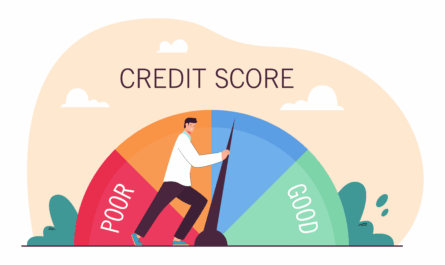
Your score is below 600, and missed payments are likely a big reason. But what if some of those “missed” payments aren’t actually missed? Errors on your CIBIL report are more common than you think, and they could be costing you points you deserve.
How Errors End Up on Your Report
CIBIL builds your credit report using data that banks and NBFCs send every month. But this process isn’t perfect. Banks sometimes fail to update your payment status on time. Data entry mistakes happen. Technical mismatches between systems create gaps.
The result? Your report might show a missed payment you actually made. Or a loan you fully repaid might still appear as “active”. If you’ve used a digital lending app, the partner bank’s name shows up on your report instead of the app’s name. That unfamiliar entry can look like someone else’s debt.
These errors directly hit your payment history, which carries 35% of your CIBIL score. A single wrongly reported 30-day delay can pull your score down by up to 100 points.
Three Errors That Hit Credit Builders the Hardest
Not all errors affect your score equally. Here are the ones to look for first:
- Payments marked late when you paid on time: This is the most damaging error. Each false “late” entry weighs against your payment history.
- Closed accounts still showing as active: If you paid off a phone EMI or personal loan, the status should say “Closed”. If it still says “Active” with an outstanding balance, that’s an error pulling your utilisation up and your score down.
- Unfamiliar account names: A loan from “XYZ Finance” you don’t recognise might be the partner bank behind a payment app EMI you took out. Confirm before panicking. But if it truly isn’t yours, dispute it immediately.
Pull your report and scan the “Accounts” section line by line. Match every entry against your own payment records.
How to Dispute Errors for Free
Disputing a CIBIL error costs nothing. CIBIL’s dispute resolution is completely free, whether you file online or offline. Here’s the exact process:
- Visit cibil.com and log in. You get one free report per year.
- Go to the “Dispute” section and select the account with the error.
- Describe the mistake clearly. Upload proof: payment receipts, bank statements, or NOC letters.
- CIBIL forwards your dispute to the lender for verification.
One important rule: your report must be less than 60 days old when you file it. If it’s older, pull a fresh one first. Resolution typically takes up to 30 days. You can track progress on the MyCIBIL portal or through email updates.
Check out the Basics of Credit Score tip on payment history to understand why this single factor controls 35% of your score.
Contact Your Lender Directly to Speed Things Up
CIBIL sends your dispute to the lender, but you don’t have to wait passively. Call the lender yourself. Visit the branch if possible.
Bring your proof: the bank statement showing the payment date, the receipt, or the loan closure letter. Ask them to update CIBIL with the correct information. This can shorten resolution by one to two weeks.
If the lender rejects your dispute and you have clear evidence, you have options:
- Raise the dispute again with stronger documentation
- Escalate to the RBI Banking Ombudsman
- File a complaint with the Credit Information Companies Ombudsman
Don’t give up after one rejection. Persistence with the right paperwork gets results.
Protect Your Score While You Wait
Dispute resolution takes up to 30 days. Use that time to build positive payment history that strengthens your report going forward.
- Set up autopay for your EMI card payments. This takes five minutes and guarantees you never miss a due date.
- Pay even small amounts before the due date. Three consecutive months of on-time payments start visibly improving your score.
- Check your report quarterly. Errors can reappear after system updates. Catching them early means faster fixes.
Your EMI card is your best tool right now. Every on-time EMI payment adds a positive entry to your report. Over 6 to 12 months, this consistent history can open doors to higher credit limits and eventually a personal loan.
Read our 2-Minute Tip on disputing CIBIL errors for a quick-reference checklist you can follow today.
Convert your big purchases in Easy EMI : Pre-qualified loan offer amount of up to ₹ 3 Lakhs