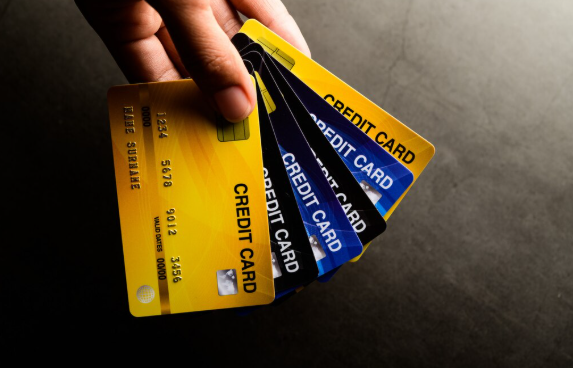
| Overview: Managing multiple credit cards efficiently helps you maintain a strong credit score, enjoy better rewards, and avoid unnecessary debt. Smart management includes tracking spending, paying on time, and keeping utilisation low. With discipline and awareness, having more than one credit card can improve your financial flexibility and overall creditworthiness. |
Smart Ways to Keep Your Credit Score Intact
Having more than one credit card can be convenient and rewarding if handled with care. It allows you to separate expenses, take advantage of different offers, and build a strong credit history. However, without proper planning, it can quickly lead to missed payments or higher interest charges. The key is to find the right balance between using credit and managing it responsibly.
Why Managing Multiple Credit Cards Matters
Holding multiple credit cards can provide flexibility and better control over your finances. Different cards often come with varied reward structures and benefits that can be used strategically. For instance:
- One card may offer better cashback on groceries or fuel.
- Another might provide discounts on online shopping or travel.
- Some help in building a longer and stronger credit history.
When used responsibly, multiple credit cards can help you optimise your spending and protect your credit health.
How Multiple Credit Cards Affect Your Credit Score
Your credit score reflects your financial behaviour. Multiple cards can have both positive and negative effects depending on how they are managed.
| Factor | Positive Impact | Negative Impact |
| Payment History | Consistent on-time payments improve your score | Missed payments can lower it |
| Credit Utilisation | Lower utilisation across cards boosts score | Overspending on one card can hurt it |
| Credit History | Keeping older cards active helps | Closing old cards shortens credit history |
| Important to know: Credit utilisation and payment punctuality together influence more than half of your overall credit score. |
Track Your Credit Card Spending and Due Dates
One of the biggest challenges with multiple credit cards is keeping track of payment dates and expenses. Simple habits can make this easier:
- Use mobile banking apps to view all credit card activities in one place.
- Set calendar reminders or alerts for bill due dates.
- Enable automatic payments for minimum or full amounts.
A clear overview of spending ensures you avoid missed payments and unnecessary interest charges. If you ever make an incorrect transaction, learn how to reverse a credit card payment quickly.
Maintain a Healthy Credit Utilisation Ratio
Credit utilisation is the percentage of your total credit limit that you use. Keeping it below 30 per cent reflects responsible spending habits.
Follow the below ways to maintain balance:
- Spread expenses across different cards instead of relying on one.
- Make partial payments before the billing cycle ends to reduce utilisation.
- Avoid carrying forward high balances from month to month.
| What You Must Know: Consistently high utilisation can lower your credit score even if you pay on time. |
Always Pay Credit Card Bills on Time
Timely payments are one of the most important aspects of maintaining good credit. A delay of even a few days can attract late fees and reduce your score.
Here are the tips for timely payments:
- Link your cards to auto-pay options.
- Review monthly statements for any incorrect charges.
- Pay the full outstanding amount whenever possible rather than just the minimum due.
| Fact to Know: Regular on-time payments reflect consistency, which lenders value when assessing new loan or card applications. |
Avoid Applying for Too Many Cards at Once
Each new credit card application leads to a hard enquiry on your credit report. Several applications in a short period may give an impression of financial instability.
Here are the best practices to know:
- Space out applications by at least six months.
- Choose new cards only if they offer benefits not available on your existing ones.
- Keep older, active cards to maintain credit history length.
| Important to Know: Responsible and spaced-out applications show stability and confidence in handling credit. |
Common Mistakes to Avoid When Using Multiple Credit Cards
Using multiple credit cards without a proper system can lead to confusion or missed opportunities. Here are some frequent mistakes to watch out for:
| Mistake | Impact | Solution |
| Ignoring due dates | Late payment charges | Use automated reminders |
| Overspending | High interest and lower score | Monitor utilisation |
| Neglecting old cards | Reduced credit history | Make small periodic spends |
| Unused rewards | Missed benefits | Redeem regularly before expiry |
If you ever face an issue like a credit card billing error dispute, address it promptly to avoid any financial inconvenience. Also, avoid common credit card charges that may silently add up over time.
Furthermore, while managing multiple credit cards, it is wise to hold at least one card that provides everyday savings. The Airtel Axis Bank Credit Card offers practical benefits for regular spenders:
- Up to 25% cashback on Airtel recharges and bill payments.
- Cashback on groceries, dining, and utilities.
- Annual fee of ₹500, waived with spends above ₹2 lakh.
You can also discover benefits of the Axis Bank Credit Card to compare features. Moreover, easy digital management through the Airtel Thanks app makes it suitable for users handling multiple cards.
Your Final Step Towards Smarter Credit Management
Handling multiple credit cards responsibly is not just about convenience but also about protecting your financial credibility. Maintaining a low utilisation ratio, paying on time, and tracking spending ensures that your credit score remains healthy.
For users who value simplicity and steady rewards, the Airtel Axis Bank Credit Card offers a balanced option with cashback on everyday expenses and transparent terms. Managing it alongside your other cards can make your credit experience smoother and more rewarding.
FAQs
1. Is it good to have multiple credit cards?
Yes, having multiple credit cards can be beneficial if used wisely. It helps distribute spending, reduce credit utilisation, and maximise rewards. However, responsible payment behaviour and careful tracking are essential to prevent debt accumulation and maintain a healthy credit score.
2. How can I keep track of multiple credit cards effectively?
Use budgeting or expense-tracking apps that consolidate all card payments and due dates in one place. Setting reminders and enabling automatic payments helps prevent missed deadlines. Regularly reviewing monthly statements ensures error-free management and better control of overall spending patterns.
3. Does having multiple credit cards lower my credit score?
Not necessarily. Your credit score depends on factors such as payment history and utilisation ratio. When managed responsibly, multiple cards can actually improve your score by expanding available credit. Problems arise only if payments are missed or utilisation remains consistently high.
4. What is the ideal credit utilisation ratio to maintain?
A good credit utilisation ratio should stay below 30 per cent of your total available credit limit. Keeping your spending within this range demonstrates financial discipline and helps strengthen your credit profile, reflecting responsible borrowing and repayment behaviour to lenders.
5. How often should I apply for new credit cards?
Avoid applying for several cards within a short time. Space applications at least six months apart. Each new application causes a hard enquiry, which may temporarily affect your score. Choose new cards only when additional benefits justify the decision.