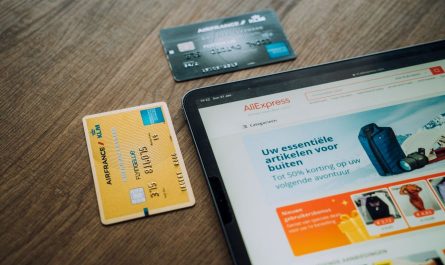
| Overview: When choosing between RuPay vs Visa credit card UPI payments, you’re essentially deciding between convenience and rewards. Understanding these differences helps you select the best credit card network for UPI based on your spending habits and financial goals. |
How Credit Cards Work with UPI
The integration of credit cards with India’s Unified Payments Interface (UPI) represents a significant advancement in digital payment technology. UPI, developed by the National Payments Corporation of India (NPCI), is a real-time payment system that traditionally allowed users to link bank accounts for seamless money transfers.
The RuPay vs Visa credit card UPI landscape changed dramatically when the Reserve Bank of India approved UPI credit card functionality in June 2022.
RuPay Credit Cards and UPI Compatibility
RuPay credit cards enjoy native compatibility with UPI systems, positioning them favourably against international networks. As India’s domestic card payment network, RuPay was specifically designed to integrate seamlessly with NPCI’s infrastructure, making it the first network to support credit card transactions through UPI.
However, certain restrictions apply regardless of the network. RuPay credit cards cannot be used with UPI for person-to-person transfers, cash withdrawals, mutual fund investments, or IPO applications. These limitations reflect regulatory guidelines rather than network-specific constraints.
Why Visa Cards Don’t Support UPI Yet
The absence of Visa credit card UPI support stems from several interconnected factors that highlight India’s strategic approach to digital payments. The Reserve Bank of India (RBI) has established a regulatory framework that prioritises domestic payment systems, creating barriers for international card networks like Visa and Mastercard.
- Regulatory exclusivity plays a crucial role in this scenario. Since June 2022, the RBI granted exclusive rights to RuPay to process credit card transactions through UPI, effectively sidelining international competitors.
- Technical architecture differences present another significant challenge. UPI operates on direct bank-to-bank transfers, whilst Visa functions through traditional card networks.
- The strategic government initiative behind UPI aims to reshape India’s credit card market. By leveraging UPI’s success—which processes millions of transactions daily—regulators are deliberately promoting RuPay as the preferred network.
Transaction Limits and Charges Comparison
Transaction limits for UPI payments via RuPay credit cards are as follows:
- Per transaction limit: ₹1,00,000
- Daily transaction limit: ₹1,00,000
- Monthly transaction limit: Subject to credit card limit
Charges structure comparison:
| Transaction Type | RuPay UPI | Traditional Card Networks |
| UPI transactions | No additional charges | Not applicable (unsupported) |
| Merchant payments | Free for consumers | Interchange fees apply |
| P2P transfers | Free | Not available via UPI |
Acceptance and Merchant Coverage
The UPI landscape reveals a significant advantage for RuPay in India’s domestic payment ecosystem. Currently, only RuPay credit cards can be linked to UPI platforms, giving RuPay users exclusive access to India’s most popular digital payment system.
This limitation affects Visa cardholders who cannot leverage UPI’s extensive merchant network for credit transactions.
Security and Fraud Protection Comparison
Both networks implement robust security protocols, though their approaches differ based on their operational frameworks. RuPay cards benefit from UPI’s inherent security architecture, which employs multiple authentication layers, including two-factor authentication and encrypted tokenisation.
When you link your RuPay credit card to UPI, transactions inherit both the card’s security features and UPI’s protective mechanisms. This dual-layer security approach provides comprehensive fraud protection for digital payments.
Visa cards, whilst offering excellent security through their global fraud detection systems and zero-liability policies, cannot currently access UPI’s security infrastructure for credit transactions in India. However, Visa’s international security standards remain robust for traditional payment channels.

Rewards and Cashback Differences
Common RuPay credit card benefits include:
- Higher cashback rates on UPI transactions.
- Bonus rewards for domestic merchant categories.
- Fuel surcharge waivers at Indian petrol stations.
- Special offers on local e-commerce platforms.
Visa credit cards traditionally excel in international rewards programmes, offering:
- Global lounge access and travel benefits.
- International dining and shopping rewards.
- Foreign exchange benefits.
- Premium travel insurance coverage.
Which Card Should You Choose for UPI?
While the network choice is important, the value you get from your card matters even more. Credit cards by Airtel Finance are designed to give you the best of both worlds. By choosing them, you move beyond simple digital payments to a comprehensive ecosystem of benefits. Apply for yours today and start maximising your digital payments!
FAQs
1. Can Visa credit cards be used for UPI payments like RuPay cards?
No, currently only RuPay credit cards support UPI integration in India, whilst Visa credit cards cannot be linked to UPI applications.
2. Which offers better value for domestic transactions – RuPay or Visa credit cards?
RuPay credit cards typically provide better value for domestic use with lower fees, UPI compatibility, and faster processing times within India.
3. What makes RuPay the best credit card network for UPI payments?
RuPay is currently the only credit card network enabling UPI transactions, offering seamless digital payments with rewards on everyday purchases.
4. Are there transaction charges for using RuPay credit cards on UPI?
Customers face no charges for linking or transacting via RuPay credit card UPI, though merchants pay MDR fees above ₹2,000.
5. How does the RuPay vs Visa credit card UPI comparison favour RuPay users?
In the RuPay credit card UPI comparison, RuPay clearly wins, as Visa cards cannot link to UPI, limiting digital payment flexibility.