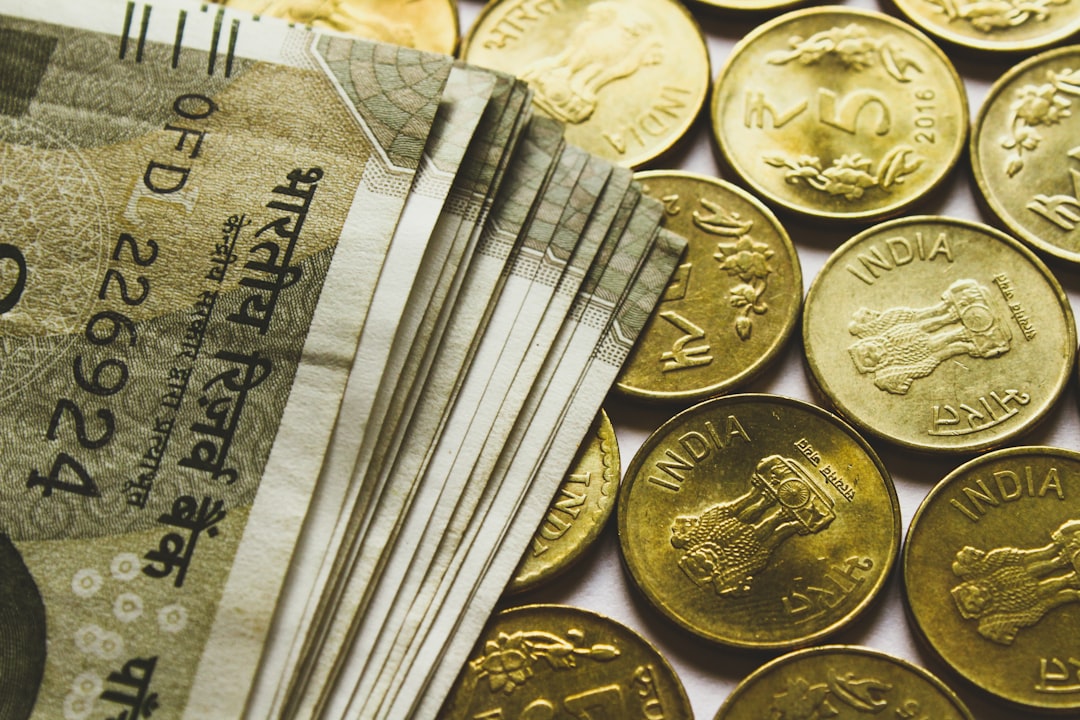
| Overview: When interest rates peak, fixed deposits become especially attractive for conservative investors. Yet timing matters. This blog explores whether you should lock in a fixed deposit now or wait, weighing economic signals, inflation trends and reinvestment risks to help you make a confident, well-timed decision. |
Make the Most of Interest Rate Peaks with Smart Fixed Deposit Decisions
Interest rate cycles directly influence fixed deposit decisions. In India, the Reserve Bank of India adjusts the repo rate to manage inflation and liquidity, impacting deposit rates across banks and NBFCs. During rate peaks, fixed deposit returns tend to be more competitive, attracting risk-averse savers.
However, inflation trends, liquidity conditions and future rate expectations determine whether locking funds immediately is prudent. Understanding timing, tenure selection and reinvestment risk helps investors maximise fixed deposit benefits while preserving capital stability in uncertain economic phases and volatile market cycles.
About Interest Rate Peaks in India
Interest rate peaks occur when policy rates reach a high point in the economic cycle. At this stage:
- Inflation is typically elevated but stabilising
- Central banks aim to control borrowing and spending
- Deposit rates are generally more attractive
For fixed deposit investors, this phase presents an opportunity to secure stable returns before rates begin to decline. However, predicting exact peak timing is difficult, even for experienced market analysts. Identifying the best time to invest requires careful monitoring of economic signals.
Lock Now or Wait? Factors to Consider
Careful evaluation of economic signals and personal goals is essential before making a fixed deposit decision.
1. Inflation Outlook
If inflation is expected to ease, rates may fall later. Locking a fixed deposit now could help secure higher returns.

2. Liquidity Needs
Consider your cash flow. Fixed deposits have a defined lock-in period and may involve penalties. Understanding early withdrawal terms helps avoid unnecessary losses.
3. Tenure Strategy
Choosing the right tenure is crucial:
| Scenario | Suitable FD Strategy |
| Rates at clear peak | Lock long-term FD |
| Rates still rising | Consider short-term FD |
| Uncertain outlook | Ladder multiple FDs |
| Important to Know: Interest rate peaks are temporary; long-term planning matters more than perfect timing decisions. |
The Case for Locking a Fixed Deposit During Rate Peaks
Locking your fixed deposit during high interest phases can offer:
- Predictable income
- Capital protection
- Protection against falling rates
- Stability during equity market volatility
A fixed deposit works best for conservative investors seeking steady returns without exposure to market fluctuations.
The Risk of Waiting
Waiting for even higher rates may seem attractive, but risks include:
- Missing the peak
- Sudden policy reversal
- Falling deposit rates
- Idle funds earning low returns
Reinvestment risk also increases if rates decline after your short-term deposit matures.
| Mistakes to Avoid: Refrain from investing the entire corpus at one tenure during uncertain interest rate cycles. |
Smart Strategy: Fixed Deposit Laddering
A laddering strategy spreads investments across different maturities.
| Tenure | Benefit |
| 1 Year | Flexibility |
| 2–3 Years | Balanced returns |
| 5 Years | Long-term security |
Benefits of laddering include:
- Reduced reinvestment risk
- Better liquidity management
- Flexibility during rate changes
This approach works well when rate peaks are uncertain.
Strategic Role of Airtel Finance Fixed Deposit in Changing Rate Cycles
Platforms like Airtel Finance Fixed Deposit simplify the investment process with:
- Digital application
- Flexible tenure options
- Transparent processes
- Seamless management
During interest rate peaks, investors may consider diversified options across trusted platforms. Airtel Finance Fixed Deposit can be evaluated as part of a broader fixed deposit allocation strategy, particularly for investors who prefer convenient digital access alongside competitive fixed deposit offerings.
Comparing Locking Vs Waiting
A clear comparison helps investors evaluate timing decisions more confidently during interest rate peaks.
| Criteria | Lock Now | Wait |
| Certainty | High | Low |
| Rate Advantage | Secured | Uncertain |
| Liquidity Flexibility | Moderate | Higher |
| Risk of Missing Peak | None | High |
A balanced approach often proves more effective than trying to perfectly time the market.
Secure Today’s Gains, Strengthen Tomorrow’s Stability
Fixed deposits remain a dependable savings instrument during interest rate peaks. Locking in a fixed deposit can help secure stable returns before rates soften, especially when inflation moderates. However, careful tenure selection and laddering strategies improve flexibility and reduce reinvestment risk.
Waiting may offer marginal gains, but it carries uncertainty. A disciplined approach aligned with financial goals ensures better outcomes than speculative timing. Platforms offering digital access and structured fixed deposit options, such as Airtel Finance Fixed Deposit, can support efficient portfolio allocation decisions.
Frequently Asked Questions
1. Should I invest in fixed deposits when interest rates are at their peak?
Investing during peak interest rates helps secure higher returns before potential rate reductions begin.
2. Is it better to wait for rates to rise further?
Waiting may offer marginal gains but risks missing the peak and losing stability.
3. What is fixed deposit laddering?
Laddering means spreading investments across different tenures to manage liquidity and reinvestment risk.
4. How do interest rate cycles affect fixed deposits?
Interest rate cycles influence deposit returns, with peaks generally offering more competitive rates.
5. Are fixed deposits safe during economic uncertainty?
Fixed deposits provide capital protection and stable returns despite economic volatility.