| Overview: A cheque bounce itself does not directly affect your CIBIL score, as credit bureaus only track loan and credit card repayments, not bank account activity. The damage occurs only when the bounced cheque was meant to pay an EMI or credit card bill, causing a missed or delayed payment that gets reported to the bureau and lowers your score. |
Does a Cheque Bounce Affect Your CIBIL Score?
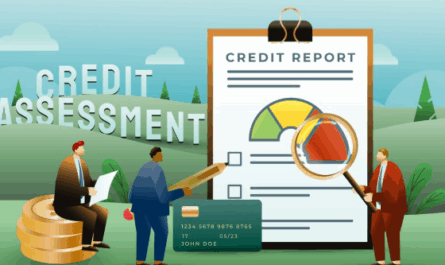
Yes, but only in certain cases; understanding the cheque bounce definition and causes helps clarify when it matters. A cheque bounce does not get reported directly to CIBIL. Your credit score is built from credit behaviour; repayments on loans and credit cards, not from your savings account activity. If the dishonoured cheque was linked to a credit obligation, though, the resulting missed payment can trigger a score drop. In other words, the cheque bounce effect on CIBIL is indirect: no credit payment missed, no score impact.
When a Cheque Bounce Affects Your CIBIL Score
A bounced cheque affects CIBIL score only when it causes a credit repayment to fail or become overdue. Lenders track due dates closely, and any shortfall gets reported. Below are the three situations where a cheque bounce leads to trouble.
Missed Loan EMI Paid by Cheque
If you pay your monthly EMI with a cheque and it bounces, the bank considers that instalment unpaid. The lender reports the delay to CIBIL, and your credit score takes a hit.
Delayed Credit Card Bill Payment
Issuing a cheque for your credit card bill that doesn’t clear on time results in a late payment entry. Even a one‑day delay past the due date can be marked, and that entry influences the cheque bounce impact on CIBIL.
ECS or NACH Auto-Debit Failure
When an auto‑debit mandate bounces due to insufficient funds, it’s treated like a missed payment. The lender informs the credit bureau, and you see the effect in your next report update.
When a Cheque Bounce Does Not Affect Your CIBIL Score
Your score stays untouched if the cheque has nothing to do with a credit account. Personal cheques to a friend, rent payments not reported to credit bureaus, or security cheques that aren’t tied to an active loan fall outside the credit reporting system. And if you clear the payment within the lender’s grace period; often 3 to 5 days after the due date; the delay may not even get reported. So a cheque bounce affecting CIBIL score is not automatic; the trigger is always a credit‑obligation failure.
How a Cheque Bounce Actually Lowers Your CIBIL Score
The sequence is straightforward. A cheque bounces → the credit payment remains unsettled → the lender marks it as a delay → the credit bureau updates your report → your score drops. The severity depends on how late the payment becomes and how often it happens, highlighting the repayment timeline importance in credit scoring. Credit bureaus collect data from lenders through a delayed payment reporting cycle, and even a single reported delay can shave points off your score because payment history carries the heaviest weight. That’s the real cheque bounce impact on CIBIL, not the bounce itself, but the repayment gap it creates.
Does One Cheque Bounce Affect Your CIBIL Score More Than Repeated Bounces?
A single, quickly resolved bounce usually causes a minor dent, maybe a few points. But repeated bounces signal unreliable repayment behaviour. Lenders interpret multiple dishonoured cheques as higher credit risk, and the score drop accelerates. So the one cheque bounce effect on CIBIL might be small if you fix it fast, while a pattern of bounces can drag your score down significantly and make future loans harder to get.
How to Recover Your CIBIL Score After a Cheque Bounce
If your score has already slipped, these actions can help you rebuild it:
- Pay outstanding dues immediately. Clearing the overdue amount stops further damage and resets your account status.
- Maintain 100% on-time payments going forward; one of the strongest financial discipline indicators lenders look for. Consistent repayment behaviour is the fastest way to demonstrate financial discipline to lenders.
- Avoid repeated auto-debit failures. Keep a buffer in your account before EMI dates, and set up low‑balance alerts.
- Monitor your credit report for errors. Sometimes a payment gets marked late even though you settled it within the grace period. If you spot a mistake, you can raise a CIBIL Dispute Online Guide-style request to correct it. Also, limit fresh credit applications; Does Applying for Multiple Loans Affect Credit? Yes, it does, so space out your enquiries.
How to Avoid a Cheque Bounce Affecting Your CIBIL Score
Prevention is simpler than recovery. Maintain a sufficient balance in your account at least two days before the due date. Double‑check cheque details: amount, date, signature, to avoid rejection. If you can, switch to auto‑pay or standing instructions for EMIs so that the payment is debited automatically; that can reduce the risk of a manual cheque bounce. A little vigilance keeps your credit score safe.
Check Your CIBIL Score with Airtel Finance
Worried that a past cheque bounce may have already left a mark? Check Your Credit Score for Free on the Airtel App. Airtel Finance lets you view your detailed credit report, track changes month on month, and spot any reporting errors before they affect your next loan application. It’s a quick, secure way to stay on top of your credit health without spending a rupee.
Conclusion
A cheque bounce by itself doesn’t alter your CIBIL score. The real damage happens only when that dishonoured cheque interrupts a loan EMI or credit card payment. Resolve the missed payment quickly, and the impact is manageable. Let it linger, and your score will reflect the delay. Knowing this distinction helps you focus on what actually matters: keeping every credit repayment on time, regardless of how you pay. Track your credit score regularly, correct errors fast, and you’ll keep your credit profile strong.
FAQs on Cheque Bounce and CIBIL Score
How Do Credit Bureaus Find Out About a Cheque Bounce?
Credit bureaus like CIBIL don’t monitor bank accounts or cheque clearance systems. They only receive data from lenders. When a cheque meant for a loan EMI or credit card bill bounces and the payment is not made on time, the lender reports that missed payment to the bureau. The bureau then reflects it in your credit report. So the question of whether a cheque bounce affects CIBIL score hinges entirely on whether the lender flags a delay.
Why Did My CIBIL Score Not Change After a Cheque Bounce?
A few reasons explain this. The delay may not have been reported yet; lenders often have a reporting cycle of 30 days or more. If you cleared the amount within the lender’s grace period, the payment may never be marked as late. Or the cheque might have been for a non‑credit transaction, like rent or a personal payment, which doesn’t appear on your credit file at all. In such cases, the does cheque bounce impact CIBIL score answer is no, because the credit bureau never received a negative entry.
Does a Cheque Bounce Affect Loan Approval Even If My CIBIL Score Is Unaffected?
Yes, it can. While your credit score might not move, lenders often review your bank statements during manual underwriting. A history of multiple bounced cheques, even for non‑credit payments, can make you look financially unstable. That perception can lead to a rejected application or less favourable terms, even if your CIBIL score is clean.
Can a Cheque Bounce Lead to Legal Action Under Indian Law?
Absolutely. Under the Negotiable Instruments Act, 1881, a cheque bounce due to insufficient funds is a criminal offence. The payee can send a legal notice and, if payment isn’t made within 15 days, file a case that may result in a fine or imprisonment of up to two years. This legal proceeding is separate from any cheque bounce affecting CIBIL score and doesn’t appear on your credit report, but a court case can still complicate your financial standing.