| Overview: Knowing your credit score is only half the picture. To truly understand what drives that three-digit number, you need to learn how to read CIBIL report page by page. A careful look reveals errors, explains drops, and helps you spot identity fraud early. Instead of skimming the summary, taking a few minutes with each section turns your report into a practical tool for better credit health. |
Where Does the CIBIL Score Appear in the Report?
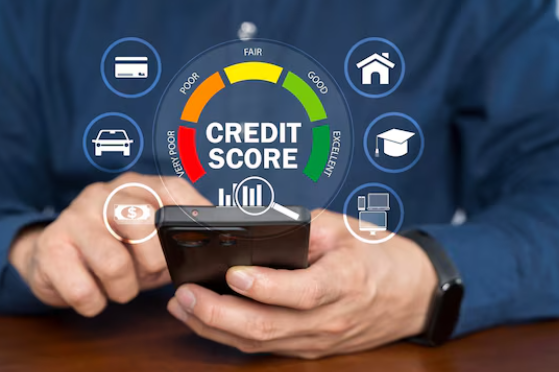
The CIBIL score in CIBIL report sits right at the top: a three-digit number between 300 and 900. Directly below it, you will see a short list of score factors, the key elements that influenced your rating. A score closer to 900 signals high creditworthiness. The placement makes it the first thing a lender sees, so it is worth checking whether the score matches the one you fetched earlier and that no incorrect negative factor is pulling it down.
Personal Information Section
The CIBIL report personal information segment holds your full name, date of birth, PAN, current and past addresses, and contact details like phone number and email, making personal information verification the first step in reviewing your report. Lenders use this data to identify you. Even a small typo in the date of birth or a misspelt name can lead to issues when you apply for a loan. Scanning this section line by line keeps your profile error-free and speeds up future verifications.
Employment Details Section
Your CIBIL report employment details appear as reported by your lenders. The block shows employer name, employment type: salaried, self-employed, or other and the monthly or annual income stated in the last application. If you switched jobs but an old employer still shows, that is fine; the bureau simply reflects the data a lender supplied. Still, confirm the income band is accurate, because a lower-than-actual reported income might affect a lender’s decision.
Accounts Section
The CIBIL report accounts section is one of the most important sections of your credit report. It lists every credit account you have held, whether active or closed, along with granular repayment and limit data. Reading it carefully reveals how lenders view your borrowing behaviour.
Open and Closed Accounts
Open accounts are loans or credit cards you are still using; closed accounts are those you have repaid fully and had the lender mark as shut. A healthy mix of both is normal. Too many open accounts without sufficient repayment history can, however, raise a red flag.
Account Opening and Closing Dates
These dates show when your credit accounts were opened and, where applicable, closed. An older account with a clean record strengthens your score because it shows you can manage credit over years. Closing a very old card shortens the average age of accounts, so keep an eye on these dates before you decide to shut one.
Credit Utilisation and Loan Status
Credit utilisation is the percentage of your credit card limit you are using; a high figure can signal dependence on credit. Loan status shows whether an account is regular, overdue, settled, or written off. This field instantly flags accounts that need immediate attention if they show anything other than “paid” or “current.”
Payment History Section
Lenders care most about how reliably you pay. The CIBIL report payment history grid lays out a month-by-month view for every account, each cell containing a code that records whether that month’s payment was on time, late, or missed. A string of on-time months builds lender confidence, while even one red square can stand out. Reading this grid chronologically tells you exactly when you slipped and how long ago.
What Do DPD Codes Mean in a CIBIL Report?
Understanding CIBIL report DPD codes unlocks the most important line in any credit file. DPD stands for Days Past Due. A cell showing “000” means you paid on time. A number like “030” means 30 days late, “060” means 60 days, and so on. Accounts that turn severely delinquent may show “XXX” or coded statuses like “STD” (standard), “SUB” (sub-standard), or “LOSS.” Those asset-classification codes indicate serious default and stay visible for years, so recognising them early helps you plan a recovery.
Enquiry Section
The CIBIL report enquiry section lists every time a lender pulled your credit file; this is your hard inquiry listing that shows who has accessed your report. A hard inquiry credit score impact occurs when you apply for a loan or credit card; each hard pull shaves a few points and stays on record for up to two years. Soft inquiries happen when you check your own report or when a lender pre-screens you; they are not visible to other lenders and do not affect the score. Reviewing this list catches unauthorised applications quickly. If you see a lender name you do not recognise, it might be a reporting error or worse, so follow our CIBIL Dispute Online Guide to correct it.
Check Your CIBIL Score and Report with Airtel Finance
You can view every section we just walked through, from personal details to DPD codes, by downloading your own credit file. Airtel Finance offers a free credit report worth ₹399, CIBIL and CRIF certified, with no hidden charges. It takes minutes on the Airtel App. You get the same full report a lender sees, not a summary, so you can apply the how to read CIBIL report steps right away. For a separate step-by-step walkthrough, you can also look at our CIBIL Report Download Guide.
Conclusion
A credit report is not a mystery document once you know which sections carry the most weight. Scanning the personal and employment fields, matching account details, reading the payment grid, and spotting hard inquiries all become quick checks. A CIBIL score range of 750 or above is excellent, but even a lower score improves faster when you catch errors early. Treat your report as a financial health snapshot and review it at least once a quarter; the clarity pays off the next time a lender pulls it.
FAQs on Reading a CIBIL Report
How Often Is a CIBIL Report Updated?
Most lenders report account data to the credit bureau once a month, typically around the billing cycle closing date. Your report refreshes when the bureau processes these submissions, not in real time. If you made a payment yesterday, it may not reflect for a few weeks. That month-long lag is normal and does not mean the payment was missed.
What Should I Do If I Find Wrong Information in My CIBIL Report?
Raise a dispute directly with CIBIL through their online portal. You will need to identify the incorrect account or personal detail and provide supporting proof, like a loan closure letter or corrected PAN copy. The bureau contacts the lender for verification and typically resolves it within 30 days. Airtel Finance users can also use our CIBIL Dispute Online Guide for step-by-step assistance.
Does a CIBIL Report Show Loans from All Banks and NBFCs?
It shows loans from every lender that reports to CIBIL, which includes most major banks, NBFCs, and housing finance companies. A very recent account, approved in the last 30–45 days, may not yet appear because the lender is still in its reporting cycle. If an older loan is missing, the lender might not be a CIBIL member, or it could be a reporting delay that the lender needs to fix.
Why Does My CIBIL Report Show an Account I Never Opened?
This could be a genuine reporting error, where another person’s account got mapped to your PAN by mistake. In rare cases, it signals identity theft; someone used your documents to open a loan. Do not ignore it. Raise a dispute immediately and, if you suspect fraud, also lodge a complaint with the lender and the cybercrime cell.
Is a Longer CIBIL Report Always Better Than a Shorter One?
Not necessarily. Understanding report length significance helps you see that report length simply reflects the number of years you have been using credit. A longer history with on-time payments strengthens your score. But a short, spotless report with one or two accounts can still carry a score above 750. Lenders look at repayment consistency, not page count. A clean short report is far better than a long one dotted with late payments.