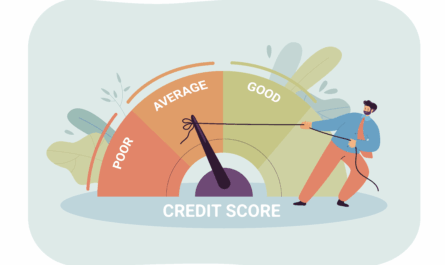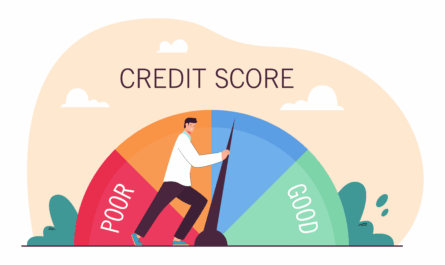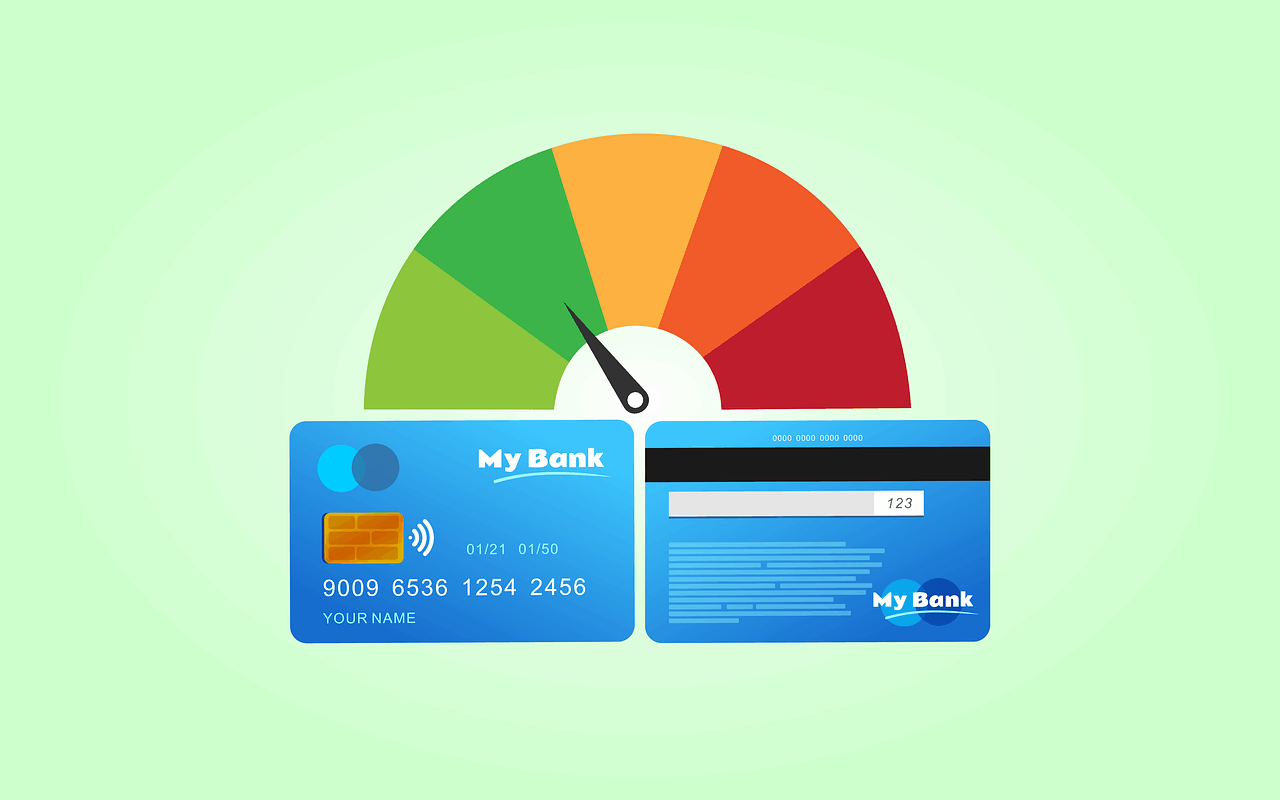
You’re above 750. Your payment history is clean, your accounts are mature, and lenders already approve you. But that last 30 to 50 point stretch to 800+ is stubborn. Credit utilisation, worth 30% of your CIBIL score, is almost always the factor holding it back.
Pay Before Your Statement Closes, Not After
You probably pay your full balance every month. That’s not the issue. The issue is when you pay. Bureaus capture whatever balance sits on your card the day the statement generates. If you spend ₹60,000 on a ₹2L limit card and pay it off five days after the statement date, bureaus still see 30% utilisation that month.
The fix takes two minutes:
- Set a calendar reminder 3 to 5 days before each card’s statement date
- Pay 70 to 80% of your current balance before that date
- Let the statement generate with only 10 to 15% showing
With the RBI’s updated bi-monthly reporting (every 15th and last day of the month), this lower balance is reflected within 15 to 30 days. Users in your score range typically see a 15 to 25 point lift within one to two cycles.
Use Your April Salary Hike to Raise Your Limit
This is the easiest utilisation win most people overlook. If your salary went up 9% this April and you haven’t told your card issuer, their system still calculates your limit based on your old income. Banks typically set limits at 2x to 3x monthly salary, so even a modest hike can unlock a meaningful bump.
Here’s what to do:
- Download your latest salary slip or Form 16
- Upload it through your card issuer’s app. Check for pre-approved limit increase offers first, as those get approved fastest
- Wait 2 to 5 working days for approval
If your limit moves from ₹3L to ₹4.5L and your monthly spend stays at ₹60,000, your utilisation drops from 20% to about 13%. That single change can add 15 to 20 points within 60 days. Read our 2-Minute Tip on turning your salary hike into a limit upgrade for more detail.
Spread Spending Across All Your Cards
If you hold two or three cards, chances are you route most purchases through one. Maybe it earns better rewards. Maybe it’s just habit. But per-card utilisation matters just as much as overall utilisation. One card at 45% and another at 0% looks worse than both at 15 to 20%.
A quick rebalance:
- Use your primary card for recurring bills and subscriptions
- Route dining, travel, or online shopping to your second card
- Keep each card under 20% of its individual limit
You don’t need to change how much you spend. Just where you swipe. The score impact shows up in the next reporting cycle, usually within 15 to 30 days.
Don’t Close That Old Card You Never Use
It’s tempting to cancel a card you haven’t swiped in months, especially if it carries an annual fee. But closing it shrinks your total available credit, which pushes utilisation up instantly. It also shortens your average credit age, which counts for 15% of your score.
Instead, keep unused cards alive with one small recurring charge:
- A ₹99 streaming subscription or a ₹149 cloud storage plan works perfectly
- Set that charge to auto-pay so you never think about it
- The card stays active, your total credit limit stays high, and your credit age keeps growing
This is a protection move, not a growth move. It prevents your score from dipping while the other strategies push it upward. Check out the Basics card on statement dates to understand why timing matters for all your cards.
Convert your big purchases in Easy EMI : Pre-qualified loan offer amount of up to ₹ 3 Lakhs
Avoid the 0% Utilisation Trap
Once you start optimising, you might wonder if paying everything off before the statement date is the ultimate move. It’s not. A 0% utilisation ratio tells bureaus you’re not using credit at all, and that can have a neutral or even slightly negative effect on your score.
The sweet spot for 800+ chasers is 1 to 9% utilisation reported on statement day. On a ₹3L limit, that means letting ₹3,000 to ₹27,000 appear on your statement, then paying in full by the due date. You show active, responsible usage without any meaningful balance.
Pair this with the limit increase and spending distribution strategies above, and you’re covering 30% of your entire score calculation with precision. Track your progress using the free credit score check in the Airtel app.
Check your free credit score in the Airtel app to track your progress after each reporting cycle.