Overview
The number 916 stamped on gold isn’t just a random code; it’s a promise of 91.6% gold purity backed by the Bureau of Indian Standards. Knowing the 916 hallmark gold meaning helps you spot real 22K gold purity and avoid jewellery that only looks good on the surface.
Understanding the 916 Hallmark
The 916 hallmark is a purity stamp that tells you exactly how much gold you’re holding. It means the piece contains 916 parts pure gold out of every 1,000 parts; 91.6% gold purity in plain percentages. That’s why jewellers call this 22K gold purity.
Purity: Karats measure gold fineness. 24K is the highest level of gold purity, and 22K is 22 parts gold plus 2 parts other metals, giving that 91.6% purity.
Hallmark: A hallmark is an official stamp applied by an assaying centre recognised by the Bureau of Indian Standards. The BIS hallmark confirms the metal has been tested and meets legal purity standards.
Since mid‑2021, BIS hallmarking became compulsory for gold jewellery sold in India. So a 22 carat 916 hallmark doesn’t just indicate quality; it also shows hallmark compliance with national law. When you see that stamp, you’re looking at certified gold jewellery with verified gold authenticity.
Why 22K Gold?
Gold is a soft and malleable metal, making it ideal for crafting intricate jewellery designs. However, its softness also means that pure gold (24K) is not durable enough for everyday wear, as it can easily get scratched or bent. To enhance its durability, gold is often alloyed with other metals such as copper, silver, or zinc.
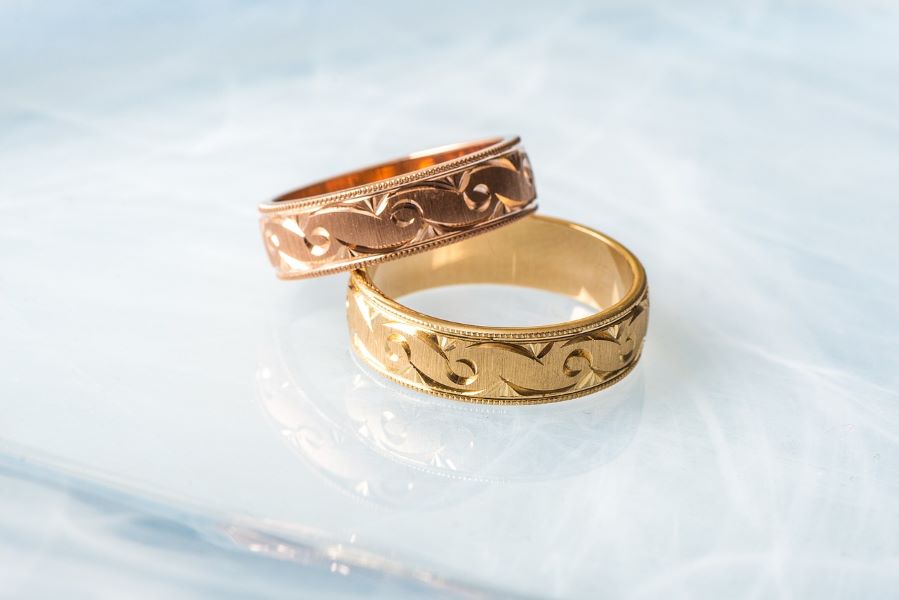
22K gold, with its 91.6% purity, strikes a balance between purity and durability. The small percentage of other metals added to 22K gold makes it more robust and suitable for making jewellery that can withstand regular use. This is why 22K gold is popular for jewellery making, especially in regions where gold jewellery is worn daily, such as in India and the Middle East.
Components of the 916 Hallmark Stamp
A genuine 916 hallmark meaning gold ornament carries four small marks stamped into the metal. These hallmark components aren’t decorations, they’re traceable identifiers that the Bureau of Indian Standards requires on every hallmarked piece. Understanding each mark turns you into an informed buyer, not someone who just takes a jeweller’s word for it. And it’s not complicated: once you know what to look for, the 916 hall mark symbol on any ring or chain starts speaking clearly.
BIS Logo
A tiny triangle that confirms the jewellery was tested at a BIS‑recognised centre. It is one of the key marks to look for when checking hallmarked gold jewellery.
Purity/Fineness Mark
The number “916” itself. This purity mark spells out the 91.6% gold purity and matches the fineness mark system used internationally. It answers the question “what is 916 gold means” at a single glance.
Hallmarking Identification
A unique code or emblem identifying the lab that performed the gold purity verification. If there’s ever a dispute, this mark tells you where the testing happened.
Jeweller’s Identification Mark
The stamp of the jeweller who sold the piece. This jeweller identification mark holds the retailer accountable for the purity claim and helps the customer understand how to identify 916 gold.
Together, these marks turn the 916 hallmark into a compact guarantee. You can check all four in seconds, even on a pair of earrings or a thin chain and feel sure about the gold authenticity. That same confidence comes in handy later if you plan to use the jewellery as collateral for a digital gold loan, because lenders inspect the hallmark before they approve the amount. A clear, complete set of stamps can mean a faster gold loan eligibility check and a better gold loan interest rate offer.
Benefits of 916 Hallmarked Gold Jewellery
Guaranteed Purity
The 916 hallmark is a guarantee of the gold’s purity, giving buyers confidence that they are purchasing high-quality gold. This certification is especially important in regions with high demand for gold jewellery, ensuring that consumers receive what they pay for.
Resale Value
Gold with the 916 hallmark maintains a high resale value. When you decide to sell your 22K gold jewellery, the hallmark assures buyers and jewellers of its purity, facilitating a smoother resale process and potentially fetching a higher price. If you already have an existing loan, a gold loan transfer can help you move your pledged jewellery to a lender offering better terms and potentially lower borrowing costs.
Durability
As mentioned earlier, 22K gold is durable enough for regular wear. The added metals in 22K gold enhance its strength, making it more resistant to damage while retaining the desirable properties of gold, such as its lustre and colour.
Aesthetic Appeal
22K gold has a rich, warm yellow colour that is highly prized in jewellery. The 916 hallmark ensures that the gold retains its aesthetic appeal while offering practical durability.
Legal Assurance
In many countries, hallmarking is a legal requirement for selling gold jewellery. The 916 hallmark signifies compliance with these regulations, protecting consumers from fraudulent practices and substandard products.
916 Gold vs KDM Gold
Old jewellery bills sometimes mention KDM, but today’s standard is the 916 hallmark. Comparing the two shows exactly why KDM gold disappeared from hallmarked showrooms, and why the BIS now considers only 916 hallmark gold to be officially hallmark compliant. This is one of the first things a gold loan appraiser looks at, if the piece lacks the correct hallmark, the loan amount offered can drop noticeably.
916 Gold
916 hallmark gold is 22K gold purity made with cadmium‑free solders. Because BIS mandates safe soldering processes now, every new hallmarked piece automatically meets hallmark compliance. It’s the only legally recognised form of hallmarked jewellery in India. You can wear it daily, gift it, or pledge it for a gold loan without worrying about hidden toxins or outdated soldering methods. In a world where gold authenticity matters more than ever, the 916 stamp is your shortcut to assurance.
KDM Gold
KDM stands for cadmium solder, a technique that once gave jewellery a bright, clean joint. Cadmium is toxic, though, and the Bureau of Indian Standards banned its use in hallmarking long ago. Jewellery sold as KDM today cannot carry a valid BIS hallmark. If you own an old KDM chain, it likely won’t pass a hallmark verification test. So, while KDM pieces might still exist in family lockers, they don’t meet current hallmark compliance rules. Simply put, KDM is the past; 916 hallmark gold is the only legally recognised benchmark now.
Considerations When Buying 916 Hallmarked Gold Jewellery
Source and Authenticity
Purchase 916 hallmarked gold jewellery from reputable and certified jewellers. This ensures that the hallmark is genuine and that the gold meets the promised standards of purity. Reputable jewellers often provide additional certification and guarantees.
Hallmark Verification
Always look for the hallmark stamp on the jewellery piece. The stamp should be clear and legible. In addition to the 916 mark, it may also include other marks such as the jeweller’s identification mark and the hallmarking centre’s logo.
Weight and Price
The price of gold jewellery is determined by its weight, the current market price of gold, and the craftsmanship involved. Ensure that the weight mentioned on the product matches the actual weight, and be aware of any making charges or additional costs. Before buying or pledging gold jewellery, always compare the latest gold rate in India with the current market value to ensure you receive a fair price or loan amount.
Cultural Preferences
The preference for 22K gold jewellery can vary by region and culture. In some cultures, 22K gold is the standard for wedding jewellery and significant life events, making the 916 hallmark particularly meaningful and desirable.
Investment Perspective
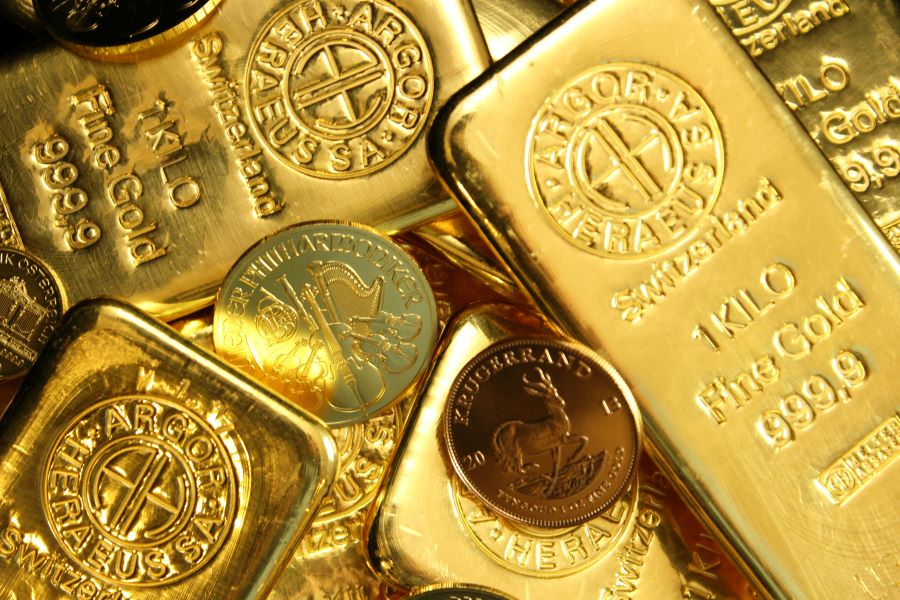
While 22K gold jewellery is an excellent investment in terms of durability and aesthetic value, if you are primarily looking for investment gold, consider other forms such as gold bars or coins, which are usually 24K and may offer better value for investment purposes.
FAQs
Q: What does the 916 hallmark signify?
A: The 916 hallmark signifies that the gold is 91.6% gold purity, equivalent to 22 carats (22K). It certifies the gold’s quality and authenticity.
Q: How does 22K gold compare to 24K gold?
A: 24K gold is pure gold (99.9%), while 22K gold (91.6%) is alloyed with other metals for added strength. 22K gold is more durable and suitable for jewellery worn daily, while 24K gold is softer and more often used for investment purposes.
Q: Is 916 gold good for daily wear?
A: Yes, 916 gold, being 22K gold, is durable enough for daily wear jewellery due to the small percentage of other metals alloyed with the gold, enhancing its strength.
Q: Can I trust the 916 hallmark?
A: Yes, the 916 hallmark is a globally recognised standard for 22K gold, ensuring the purity and quality of the gold. Purchasing from reputable jewellers further guarantees the hallmark verification and authenticity.
Q: What is the difference between 916 gold and KDM gold?
A: 916 gold is BIS‑certified 22K gold purity jewellery made with cadmium‑free solders and carries the mandatory four‑mark stamp. KDM gold, on the other hand, uses cadmium solder for joining, which BIS no longer permits. Today, only 916 hallmark gold qualifies as hallmark compliant, and old KDM pieces cannot bear the BIS mark.