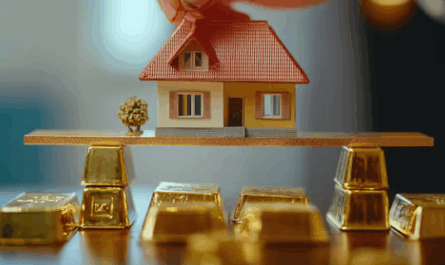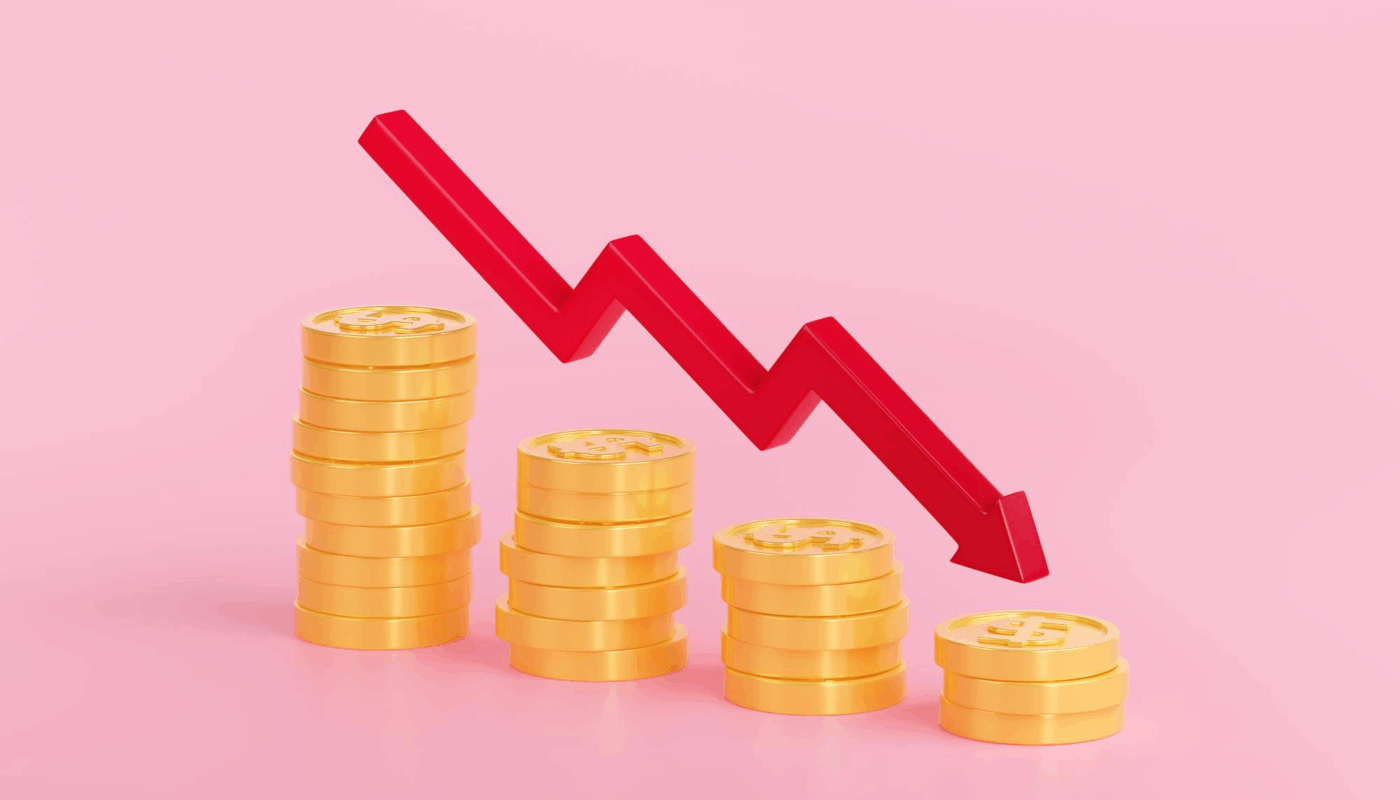
OverviewThis article unpacks why the gold rate is falling despite war, dissecting the forces of a muscular dollar, high interest rates, and broad profit booking. It also explains how a decline in gold prices can affect your gold loan eligibility and why your existing gold can still be used to access funds when needed. For investors tracking the market, understanding why gold price falling trends occur requires looking beyond geopolitical uncertainty. |
Why Does Gold Usually Rise During Uncertainty?
Gold has a reputation as a safe-haven asset. When geopolitical tensions increase, equity markets become volatile, or inflation affects traditional investments, investors may turn to gold as a store of value. Central banks also hold gold as part of their reserves, and some continue to increase their holdings as part of broader reserve diversification. From the 2008 crash to the early pandemic months, gold surged each time economic uncertainty peaked. However, gold does not move based on geopolitical events alone. This helps explain why gold prices can decline even when uncertainty remains elevated.
Why Is Gold Rate Falling Despite Rising Demand Triggers?
Demand-side triggers such as geopolitical tensions, trade concerns, and inflation have not disappeared. However, other factors can have a stronger influence. A strong dollar, yield differentials, and investor behaviour are currently drowning out the fear bid. Each of the following forces adds a piece to the puzzle.
Strong US Dollar
The dollar isn’t just a currency; it’s the yardstick for gold. A stronger greenback means buyers in India, Europe, and elsewhere have to shell out more local currency for an ounce of bullion. That knocks demand. Right now, the dollar is riding high on aggressive rate signals, so gold, despite its safe‑haven label, looks expensive to much of the world. Indian buyers feel this through the rupee, making why the gold rate is falling today a question as much about forex as about bullion itself. When the dollar flexes, gold often wilts, and that is a key reason why gold rates are falling right now. This explains why are gold rates falling even though demand for gold as a safe-haven asset remains visible.
High Interest Rates
Gold does not generate interest income. In a world of 4%–5% risk‑free returns from bonds or fixed deposits, parking money in a non‑yielding asset becomes a tough sell. That opportunity cost explains a big chunk of why gold price down movements persist. Central banks have kept rates elevated to fight inflation, and until the cutting cycle starts, gold will keep fighting for capital. For Indian savers, the spread between a safe FD and gold’s zero carry is the sharpest it has been in years. Changes in expectations around future rate cuts can also influence gold prices.
Profit Booking
Gold prices can correct when investors sell holdings after a significant rally to lock in gains. This is known as profit booking.
When a large number of investors book profits at the same time, increased selling pressure can contribute to a short-term decline in prices. Such corrections do not necessarily indicate a change in gold’s long-term role as an asset.
War Already Priced In
Wars that do not escalate tend to fade from the headlines and from price models. Markets had months to absorb current geopolitical tensions, so the “surprise” component is gone. Without fresh shocks, gold does not get that sudden risk‑premium injection. Traders now focus on interest‑rate trajectories and dollar moves, not on stalemated conflicts. That is why the gold rate falling despite war is not as paradoxical as it sounds.
Rupee-Dollar Exchange Rate and Import Duty Impact
Gold prices in India are influenced by international gold prices as well as domestic factors such as the rupee-dollar exchange rate and applicable import duties. A weak rupee inflates the landed cost of imported gold, so domestic prices can hold firm even when global quotes dip. Changes in import duties can also influence the price paid by Indian buyers. Understanding why the gold price is falling today in India, then, requires checking both COMEX and the rupee’s mood. For Indian buyers asking why is gold price falling today, movements in international prices and the rupee-dollar exchange rate are important factors to consider.
Central Bank Buying and Reserve Policy
Central bank gold reserves and de-dollarisation efforts play the long game. Emerging economies have been diversifying away from the dollar for years, steadily accumulating gold. This structural bid typically cushions prices. However, when the dollar and yields are shouting louder, the central‑bank bid gets drowned out in the short term. The slow grind of reserve buying has not vanished, it just cannot overpower the current macro storm. Why the gold rate is falling now partly reflects that this silent support is waiting for a quieter moment to reassert itself.
Will Gold Prices Rise Again?
Gold prices can respond quickly to changes in interest rates, currency movements, inflation expectations, and geopolitical developments. A softer dollar, changing interest-rate expectations, or continued central bank demand could support gold prices, although the timing and extent of any recovery cannot be predicted with certainty. While the metal corrects, many Indians are wondering whether to sell. A better option may be to hold and use a gold loan to unlock liquidity. Airtel Finance facilitates access to financial products through its lending partners, allowing eligible customers to explore available gold loan options without necessarily selling their jewellery.
Pro Tip: Spreading your gold purchases over months — much like a mutual fund SIP — can smooth out the price swings.
How a Falling Gold Rate Affects Your Gold Loan
A dip in prices does not just change your portfolio’s colour; it directly recalibrates the math on any gold loan. Whether you are applying for a fresh advance or already servicing one, the current gold price sets the boundaries. Here is how the slide touches three key areas.
Lower Loan-to-Value (LTV) on New Loans
When you pledge jewellery, the lender offers a percentage of its current market value; the loan-to-value (LTV) ratio. If the gold price drops, that percentage applies to a smaller base, so the maximum loan amount shrinks. That means your gold loan eligibility today could be noticeably lower than it was two months ago. Before applying through Airtel Finance, a quick check of the latest gold rate in India gives you a realistic ceiling. Even a 5% dip can translate to thousands of rupees less in hand.
Margin Calls on Existing Gold Loans
Existing borrowers are not immune. When the market value of pledged gold falls enough that the LTV breaches the lender’s limit, a margin call can follow. You might be asked to repay part of the principal or bring in additional jewellery to restore the ratio. Not every lender acts immediately, but sustained declines make it more likely. A borrower who tracks the gold rate in India regularly can anticipate this and arrange funds before a notice arrives. Airtel Finance’s platform provides visibility into the terms offered by its lending partners, so you’re never caught off guard.
Why a Price Dip Doesn’t Mean You Should Sell Your Gold
A temporary slide is not a sell signal. Gold has a centuries‑long track record of holding value, and panic‑selling jewellery during a dip locks in a loss. A digital gold loan offers a middle path: monetise the gold without giving up ownership. With Airtel Finance, the process is online, against transparent gold loan interest rate terms, and you retain the metal. If prices rebound, you still benefit. And if you find more favourable terms elsewhere later, a gold loan transfer can move your balance, giving you flexibility without having to liquidate your holdings.
Gold Price Trends: Final Insights
Why gold rate is falling cannot be explained by a single factor. US dollar strength, elevated interest rates, and waves of profit booking are currently louder than the fear sirens of war. But gold’s role as a long‑term hedge against inflation and economic uncertainty has not expired. The same forces that have supported its value for millennia are still in play; they are just being outshouted for now. For anyone holding physical gold, price dips are less a threat and more a prompt to re-evaluate how that asset can work. A gold loan accessed through Airtel Finance keeps your wealth intact while putting cash in your hand, without forcing a sale at the wrong moment. Those tracking why gold price falling today should therefore look at the combined impact of currency movements, interest rates, and investor selling.
FAQs
1. Why is the gold rate falling today?
The gold rate is falling today largely because a strong US dollar and high interest rates are outweighing safe‑haven demand. Add in broad profit booking after recent highs, and you have the immediate reasons behind why gold price is down. Even ongoing geopolitical tensions cannot offset these macro headwinds right now. If you are wondering why gold rate is decreasing today, these broader market forces provide the clearest explanation.
2. Is it a good time to buy gold?
Price dips often offer better entry points for long‑term investors. If your aim is wealth preservation or portfolio diversification, accumulating during corrections can be sensible, provided you can stomach short‑term swings.
3. What affects gold prices most?
Gold prices are primarily driven by interest rates, US dollar strength, inflation expectations, and economic uncertainty. In India, the rupee-dollar exchange rate and import duty changes also play a decisive role, alongside central bank gold reserves and overall market sentiment.
4. Does a falling gold rate reduce my gold loan amount?
Yes. A lower gold price reduces the collateral’s market value, so the maximum amount a lender will sanction against new pledges drops. Your gold loan eligibility is directly linked to the current price and the permissible LTV, and a significant fall can also trigger a margin call on existing loans.
5. Will gold prices recover soon?
No one can predict timing, but the elements for a gold price recovery are in place: an eventual turn in the rate cycle, a softer dollar, and persistent central‑bank buying. Recession fears and unresolved geopolitical tensions also provide a supportive backdrop. Short‑term swings are likely, but the medium‑term outlook remains constructive.