| Overview: The environmental impact of going cardless is an increasingly significant consideration at present times. Moving away from physical cards, particularly for transactions and financing, offers substantial benefits, including reductions in plastic waste, energy consumption, and greenhouse gas emissions. This blog goes into the environmental advantages of adopting cardless solutions. |
Why Going Cardless Makes a Difference
In India, over 1.3 billion debit and credit cards contribute to environmental harm through plastic production and electronic waste. The global plastic industry accounts for 3.8% of greenhouse gas emissions. Transitioning to cardless solutions like digital payments and cardless EMIs can reduce plastic waste and carbon footprints, supporting a greener, sustainable financial ecosystem, such as Airtel Finance’s offerings.
The Environmental Benefits of Going Cardless
As the world becomes more digital, moving away from physical cards is a simple yet impactful step towards reducing environmental harm.
1. Reducing Plastic Waste
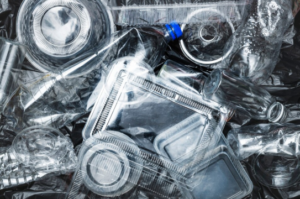
Physical credit and debit cards are made from PVC plastic, which is non-biodegradable. This is a significant contributor to global plastic pollution. By adopting cardless payment solutions, we can help eliminate the need for these plastic cards.
- No PVC waste: Cardless payments reduce plastic production and waste.
- Lower carbon footprint: Manufacturing plastic cards generates carbon emissions, but digital transactions avoid this.
2. Decreasing Energy Consumption
The production of physical cards requires a considerable amount of energy, from the extraction of raw materials to the manufacturing and transportation processes. These steps significantly contribute to global energy consumption.
- Energy saved on production: Digital alternatives, like cardless EMI, bypass the need for card manufacturing.
- Efficiency in transactions: Digital payment methods require minimal energy for transaction processing compared to physical card systems, making them more eco-friendly.
3. Lowering Carbon Footprint
Shipping, handling, and replacing physical cards contribute to the carbon footprint of card-based transactions. The energy used to power card machines and ATMs further increases this environmental toll.
- Fewer shipments: Digital payments cut down on the need for transporting physical cards across long distances.
- Less machine usage: Reduces the energy consumption tied to physical card usage and related infrastructure.
How Cardless EMI Fits Into the Green Agenda
Cardless EMI is a flexible payment solution that allows consumers to shop online and offline without the need for a physical card. This is part of a broader move towards digital financial products, and it’s an excellent option for reducing the environmental impact of traditional card usage.
What is Cardless EMI?
Cardless EMI enables users to convert their purchases into manageable monthly instalments without needing a physical credit card. This process is done entirely online, ensuring a hassle-free, paperless transaction.
The Role of Airtel Finance in Digital Payment Solutions
Airtel Finance offers cardless EMI, providing access to a wide range of products with flexible repayment options, all while eliminating the need for physical cards. This is a step towards more sustainable consumer finance options in India.
Explore loan refinancing to lower your debt burden and make more eco-conscious choices. You can also use the Airtel Finance Bajaj Finserv EMI Card for a smarter choice.
Cardless EMI: A Sustainable Payment Solution
Cardless EMI is an increasingly popular way to finance purchases without the environmental cost associated with traditional credit cards. The ease of application, flexible repayment options, and the elimination of card-related processes make it a preferable choice for environmentally conscious consumers. Additionally, using cardless EMI can help improve your credit score by maintaining consistent and timely repayments.
Comparison of Cardless EMI Vs Traditional Credit Cards
When considering financing options, you must weigh the environmental impact and convenience of cardless EMI versus traditional credit cards.
| Feature | Cardless EMI | Traditional Credit Cards |
| Application Process | Fully digital and paperless | Requires physical documentation |
| Environmental Impact | Minimal carbon footprint | Significant plastic waste and carbon emissions |
| Repayment Flexibility | Customisable, no physical card needed | Fixed repayment structures |
| Accessibility | Instant approval | Often requires in-person visits |
| Mistakes to Avoid: While cardless EMI is convenient, it’s essential to check the interest rates before committing to any payment plans. |
The Shift Towards a Cashless Society
India is experiencing a massive shift towards cashless and cardless transactions. The government’s push for a digital economy through initiatives like Digital India and Jan Dhan Yojana has spurred the adoption of digital finance. This transition to digital-only solutions, such as cardless EMI, has positive implications for both the environment and the economy.
| Facts to Know: Digital payment systems are more secure and faster than traditional card-based systems. |
A Greener Future with Cardless Solutions
In conclusion, adopting cardless payment options offers significant environmental benefits, from reducing plastic waste to lowering carbon emissions. Moreover, by choosing digital finance solutions like the Airtel Finance Bajaj Finserv EMI Card, you make smarter financial decisions. Take the first step towards a sustainable future with Airtel Finance today!
FAQs
How does cardless EMI help the environment?
Cardless EMI eliminates the need for physical cards, reducing plastic production and e-waste.
Can digital payments reduce plastic waste?
Yes, digital payments eliminate the need for plastic cards, significantly reducing plastic waste globally.
Are cardless transactions more energy-efficient than physical cards?
Yes, cardless transactions use less energy and avoid the manufacturing processes of physical cards.
How does going cardless contribute to lowering the carbon footprint?
Cardless payments avoid plastic production and transportation, significantly reducing carbon emissions associated with physical cards.
Is cardless EMI a secure way to make payments?
Yes, cardless EMI is secure, using encryption and digital processes to protect transaction data.