| Overview: Deepfake loan scams are rapidly emerging as a serious threat in India’s digital lending space. Fraudsters use synthetic media to impersonate lenders and applicants, leading to identity theft and financial losses. This blog showcases how deepfake technology fuels such scams and ways to safeguard both borrowers and institutions. |
When Technology Deceives: The Rise of Deepfake Scams in Digital Lending
Digital lending has transformed how Indians access credit by making borrowing faster, paperless and accessible from anywhere. However, this same convenience has opened doors for cybercriminals who exploit deepfake technology to manipulate trust. These scams rely on AI-generated images, voices and videos to impersonate genuine people, deceive lenders or steal borrower identities.
As a result, real customers may face blocked loans, damaged credit or unexpected financial liabilities. With digital finance expanding rapidly across India, understanding and preventing deepfake loan scams is essential to stay protected in today’s evolving financial landscape.
About Deepfake Loan Scams
Deepfakes involve artificial intelligence manipulating images, videos, or audio to mimic real people. In digital lending, these forgeries can be used to:
- Create fake borrower identities using morphed Aadhaar or PAN data.
- Impersonate customer service agents to deceive applicants.
- Forge KYC verification videos to bypass lender checks.
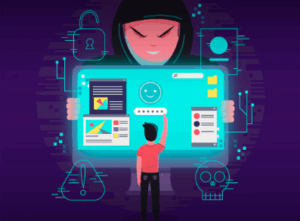
This growing sophistication has turned deepfake loan scams into one of the most complex challenges for India’s fintech ecosystem.
| What You Must Know: Even high-resolution selfies and short voice samples can be weaponised using AI-based deepfake tools. |
How These Scams Work
Deepfake loan scams typically follow a three-step process:
| Step | Action | Impact |
| 1 | Data Harvesting | Personal data is stolen from social media or leaked databases. |
| 2 | Deepfake Creation | Fraudsters generate fake KYC videos and images. |
| 3 | Loan Fraud | Fake profiles are used to apply for instant loans or defraud real users. |
The end result is not only financial loss but also long-term damage to credit histories and digital trust. Borrowers should also understand how loan settlement impacts their credit profile after identity misuse.
Real-World Impact in India
Deepfake loan scams are no longer isolated incidents but a growing national concern affecting both borrowers and digital lenders.
- Increased fraudulent loan applications: NBFCs and fintechs have reported a surge in deepfake-based identity mismatches.
- Regulatory scrutiny: RBI and CERT-In have issued advisories to strengthen digital verification systems.
- Consumer distress: Victims often face long investigation timelines to clear their names.
Understanding your CIBIL score range can also help you track unusual credit activity caused by such fraud.
Preventive Measures and AI Counteraction
Financial institutions are deploying advanced fraud detection models to fight deepfake loan scams. These include:
- Liveness checks using micro-movements and real-time video verification.
- AI-based pattern recognition to identify synthetic audio and facial manipulations.
- Blockchain-backed KYC records ensuring data immutability.
For individuals, awareness and cyber hygiene remain the strongest defences. Avoid sharing sensitive documents via unofficial channels and regularly update app permissions. You can also explore debt management tips to strengthen your financial control and reduce exposure to scams.
Why Responsible Digital Lenders Matter
Platforms like Airtel Finance Personal Loan emphasise transparency, security, and a 100% digital process. Their instant verification tools minimise risks of identity misuse. Borrowers can check eligibility instantly, choose flexible EMIs, and enjoy fast disbursal, all while staying protected from impersonation attempts.
| Important to Know: Authentic lenders never ask for payments before loan disbursal or KYC. |
Comparison: Genuine Vs Deepfake Loan Offers
Understanding the differences between real and fake digital lenders helps borrowers stay alert and avoid online financial traps.
| Aspect | Genuine Digital Lender | Deepfake Loan Scam |
| Source | Official website/app | Social media links or fake sites |
| Verification | Secure video KYC | Forged video or document |
| Disbursal | Transparent, tracked process | Sudden fund request or data theft |
| Support | Customer helpline, app-based | Unreachable or impersonated contacts |
If unsure about a lender, review loan shark warnings to spot potential red flags.
Staying One Step Ahead: Protecting Yourself from Deepfake Loan Scams
Deepfake loan scams expose the hidden vulnerabilities of India’s digital finance revolution. As technology evolves, awareness and vigilance must evolve too. Choosing regulated, trustworthy lenders is key to safeguarding financial well-being. Airtel Finance Personal Loan offers a secure, paperless borrowing experience, ensuring both convenience and protection. Borrowers can rely on its AI-driven verification and transparent digital journey for safe credit access.
Frequently Asked Questions
Q1. What are deepfake loan scams?
Deepfake loan scams use fake videos or voices to impersonate real people and deceive digital lending platforms.
Q2. How do deepfake loan scams affect borrowers?
They can cause identity theft, fake loan approvals, financial loss and damage to the victim’s credit history.
Q3. How can lenders detect deepfake loan scams?
Lenders use advanced verification tools, facial liveness checks and document authenticity tests to identify manipulated or forged submissions.
Q4. What precautions can individuals take against deepfake loan scams?
Verify lender authenticity, avoid sharing documents publicly, use official apps, and never trust unsolicited loan-related messages.
Q5. Why are deepfake loan scams increasing in India?
Rising digital lending adoption, easy access to deepfake tools and low cybersecurity awareness contribute to the growing threat.