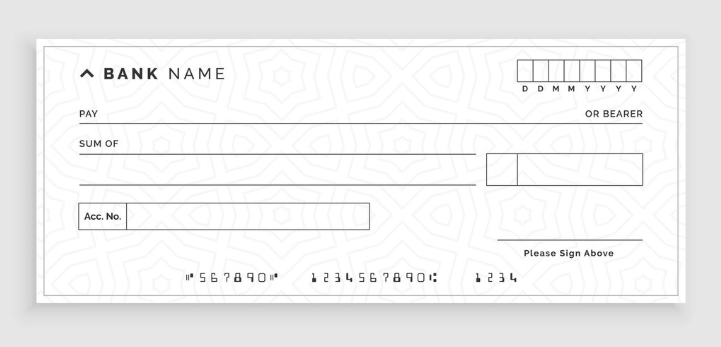
| Overview: A security cheque for a personal loan is often requested by lenders, but it is not universally mandatory. Its necessity depends on lender policies, risk assessment, and borrower profile, with increasing adoption of digital verification reducing reliance on physical cheques. |
A Look into Security Cheque for a Personal Loan
In India’s lending ecosystem, a security cheque for a personal loan is traditionally taken by some lenders as a safeguard. It is a signed, undated cheque from the borrower, which can be encashed if repayments are not made. While many banks and NBFCs still follow this practice, the rise of digital lending platforms, RBI compliance norms, and real-time credit monitoring have reduced its prevalence.
According to the Reserve Bank of India’s 2024 data, over 60% of urban personal loans are now processed without physical security cheques, relying instead on e-mandates.
Why Do Lenders Ask for a Security Cheque?
Some lenders request a security cheque for personal loans for added assurance. Common reasons include:
- Risk Mitigation: Acts as a legal fallback in case of default.
- Ease of Legal Action: Can be presented as proof in cheque bounce cases under the Negotiable Instruments Act.
- Borrower Commitment: Lenders believe it psychologically reinforces repayment discipline.
| Important to Know: If a security cheque is encashed unlawfully, borrowers can contest it legally under consumer protection laws or loan servicing regulations. |
Is It Mandatory in India?
The Reserve Bank of India does not mandate submission of a security cheque for personal loan approval. The requirement is entirely at the lender’s discretion. Many modern lenders, including fully digital ones, approve loans through eKYC and automated credit score checks without asking for cheques.
Factors influencing whether it’s requested include:
- Borrower’s credit history and CIBIL score.
- Loan amount and tenure.
- Internal risk policies of the lender.
- Whether the lender is operating primarily offline or digitally.
Security Cheque Vs Digital Mandates
Choosing between a security cheque and a digital mandate depends on your lender’s practices and repayment preferences.
| Feature | Security Cheque | Digital Mandate (eNACH) |
| Mode | Physical cheque signed by borrower | Online bank account auto-debit setup |
| Speed | Slower due to physical handling | Instant setup and activation |
| Security Risk | Risk of misuse if mishandled | Safer with encrypted authorisation |
| Regulatory Oversight | Covered by NI Act, 1881 | Governed by NPCI and RBI norms |
| Prevalence | Common in older lending setups | Dominant in new-age digital lending |
| Facts to Know: Digital mandates now cover over 75% of personal loan repayments in top Indian cities, making them a preferred method for fast loan disbursal. |
Borrower Rights Regarding Security Cheques
If you are asked for a security cheque for a personal loan, you have the right to:
- Ask why it’s required and how it will be stored.
- Request a written acknowledgment of receipt.
- Ensure the cheque amount matches the sanctioned loan.
- Get the cheque returned after full repayment.
Alternatives to Security Cheques
Many lenders, especially fintechs, have replaced security cheques with:
- Standing Instructions (SI) on bank accounts.
- Post-dated Electronic Debits.
- eNACH Auto-Debit Facilities.
- UPI AutoPay Mandates.
The Airtel Finance personal loan process, for instance, is 100% digital and does not require a physical security cheque, as repayments are automated through e-mandates.
| Mistakes to Avoid: Never hand over a blank cheque without confirming lender authenticity and written acknowledgment. |
Security Cheque in NBFCs Vs Banks
Lender type plays a big role in whether you’ll be asked for a security cheque.
| Parameter | Traditional Banks | Modern NBFCs / Fintechs |
| Cheque Requirement | Often requested, especially offline | Rarely required, digital mandates used |
| Processing Speed | 2–7 days | Same day or within 24 hours |
| Documentation | More paperwork, in-person visits | Minimal documents, online submission |
| Risk Approach | Conservative, prefers tangible security | Tech-driven credit risk assessment |
When You Can Refuse a Security Cheque Request
You may politely decline if:
- The lender offers an alternative repayment mode.
- You have a strong credit history.
- The loan is being availed from a regulated digital platform.
However, refusal may sometimes lead to loan rejection if the lender’s policy is strict.
| What You Must Know: No RBI rule compels you to give a security cheque for a personal loan. |
Advantages of Not Using a Security Cheque
Switching to digital repayment methods offers several benefits over the traditional security cheque approach.
- Eliminates risk of misuse.
- Faster processing with digital mandates.
- Better compliance tracking.
- Eco-friendly, paperless process.
Final Word: Choose Smarter, Borrow Faster
A security cheque for a personal loan is a legacy practice that is gradually phasing out in favour of digital repayment mandates. While some traditional lenders still request it, borrowers today have safer, faster alternatives that align with RBI’s push for secure digital finance.
Airtel Finance exemplifies this shift, offering instant personal loans with no cheque submission, minimal documentation, and a fully online process. By choosing modern lenders, you safeguard your data, reduce paperwork, and speed up disbursals.
FAQs
Why do lenders ask for a security cheque for a personal loan?
To reduce default risk, provide legal proof, and ensure smoother recovery in case of non-payment.
Can I refuse to give a security cheque for a personal loan?
Yes, if alternative repayment options like e-mandates or standing instructions are acceptable to the lender.
What are the risks of giving a security cheque for a personal loan?
Potential misuse, loss of control, and legal complications if cheque is encashed without consent.
Are digital mandates safer than security cheques for personal loans?
Yes, they offer encrypted authorisation, faster processing, and reduced risk of
physical document misuse.
Will refusing a security cheque affect my loan approval?
Possibly, if the lender insists on it as part of their internal approval and risk policy.