| Overview: A credit score plays a vital role in shaping financial opportunities. It impacts loan approvals, interest rates, and access to credit products. Knowing the credit score difference between good, bad, and excellent scores helps individuals take the right financial steps and avoid unnecessary challenges while applying for loans. |
Good, Bad, or Ugly: Where Does Your Credit Score Stand?
In India, credit scores usually range between 300 and 900, with CIBIL being the most widely recognised bureau. A score above 750 is generally considered healthy and increases the chances of loan approval. According to reports, nearly 79% of loans in India are sanctioned to individuals with scores above 750, proving how crucial the right score is for financial stability and borrowing power. Scores below 600 often attract higher interest rates and limited offers, creating significant financial hurdles for borrowers.
What Exactly is a Credit Score?
A credit score is a three-digit number generated by credit bureaus based on:
- Repayment history
- Credit utilisation ratio
- Length of credit history
- Type of credit accounts
- Number of enquiries
This score helps lenders judge the borrower’s creditworthiness. The credit utilisation ratio and repayment discipline play a big role. The credit score difference between ranges defines how easily a borrower can access financial products.
Credit Score Ranges in India
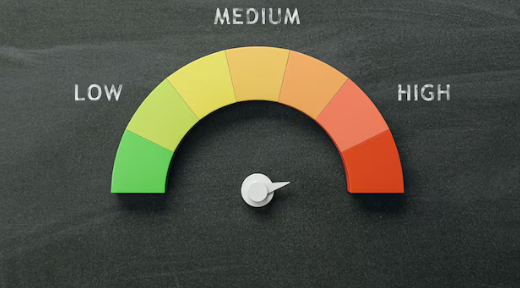
Your score decides whether lenders see you as a risk or a reliable borrower, and the difference between ranges can dramatically change your loan journey.
| Score Range | Category | What It Means | Loan Approval Chances |
| 300–549 | Poor | High risk, defaults likely | Very low |
| 550–649 | Fair | Past repayment issues | Low |
| 650–749 | Good | Average reliability | Moderate to good |
| 750–900 | Excellent | Highly reliable borrower | Very high |
| Facts to Know: Borrowers with a score above 750 often enjoy faster approvals and lower rates. |

The Difference Between Good, Bad, and Ugly Scores
The credit score difference across categories plays a direct role in:
- Loan Approval Rate: Banks prefer individuals with scores above 700.
- Interest Rates: Bad scores mean higher costs; excellent scores reduce costs.
- Loan Tenure Options: Better scores provide more flexibility.
- Borrowing Limits: Higher scores allow access to bigger credit lines.
For example, someone with a score of 780 may get a personal loan at 11% interest, while another with 580 may only qualify at 20% or may face outright rejection. Borrowers with lower scores may also face issues like loan settlement, which further reduces future chances.
Factors Affecting Credit Score
Several habits impact credit score differences, including:
- Missing EMIs or late payments
- High credit card utilisation
- Multiple loan applications in a short span
- Having no mix of credit types
- Not checking credit reports for errors
| Mistakes to Avoid: Avoid applying for multiple loans simultaneously—it lowers your score quickly and increases your days past due in reports. |
Why a Good Score Matters in India
A good score is more than just a number—it shapes your financial opportunities and how lenders perceive you.
- Affordable Borrowing: Better rates save significant money.
- Access to Premium Products: Higher scores unlock credit cards with perks.
- Financial Confidence: Borrowers gain negotiating power with lenders.
A strong score is particularly important when seeking a personal loan, as these loans are unsecured and rely heavily on the credit score difference for approval. Borrowers with poor scores often struggle with fast cash loans.
Airtel Finance Personal Loan—Relevant to Your Score
Maintaining a good credit score not only boosts your borrowing power but also opens doors to reliable financial solutions. One such option is the Airtel Finance Personal Loan, designed for quick and hassle-free access to funds.
With minimal paperwork, flexible eligibility, and swift disbursal, it provides an ideal choice for covering urgent expenses or planned needs. A healthy score helps you secure better terms, making this loan a convenient and trustworthy support system for financial requirements.
How Credit Score Difference Impacts Interest Costs
Even a small change in your score can mean paying thousands more in interest or enjoying cheaper loans.
| Credit Score | Possible Interest Rate on Personal Loan | Loan Approval Speed |
| 750–900 | 10–13% | Fast & hassle-free |
| 650–749 | 14–18% | Slower with conditions |
| Below 650 | 18–24% or rejection | Very slow or denied |
| Important to Know: Even a small credit score difference can raise your EMI burden significantly. Some even resort to debt refinancing to manage high costs. |
Steps to Improve Your Credit Score
Improving your score takes consistent effort, but simple habits can create a big difference over time.
- Pay EMIs on or before due dates
- Keep credit utilisation below 30%
- Avoid frequent loan enquiries
- Maintain a healthy mix of secured and unsecured loans
- Review reports regularly for inaccuracies
| What You Must Know: Improving scores is gradual; quick fixes or shortcuts usually backfire. |
Build a Strong Score, Unlock Better Financial Freedom
A credit score is the foundation of financial stability. The credit score difference between poor, average, and excellent categories can transform borrowing costs and financial opportunities in India. For individuals planning to take a personal loan, maintaining a score above 750 offers smoother approvals and lower rates.
If you are seeking a reliable borrowing solution, the Airtel Finance Personal Loan is worth considering, thanks to its fast approval process and convenience.
FAQs
Q1. What is considered a good credit score in India?
A good credit score in India typically falls above 750 on the CIBIL scale, which ranges from 300 to 900. Borrowers in this bracket are seen as reliable and usually get faster approvals, higher loan amounts, and lower interest rates compared to individuals with lower scores.
Q2. How does credit score difference affect loan approval chances?
Credit score difference plays a vital role in loan approval. Borrowers with scores above 750 have very high chances, while those below 650 face delays or rejections. Lenders use the score to assess repayment capacity, so higher scores directly improve trust, approval speed, and overall borrowing opportunities significantly.
Q3. Can a bad credit score be improved over time?
Yes, a bad score can improve with consistent effort. Paying EMIs on time, reducing credit utilisation, avoiding multiple loan applications, and checking credit reports for errors gradually raise the score. Improvement is not immediate but achievable over months, often turning poor credit into a reliable score above 700.
Q4. Why do personal loans depend heavily on credit score?
Personal loans are unsecured, meaning they don’t require collateral. Lenders rely on the borrower’s credit score to judge repayment ability. A higher score indicates lower risk, improving approval chances and interest rates. Conversely, lower scores make lenders cautious, often leading to higher interest or rejection of applications.
Q5. How does debt impact credit score?
Carrying too much debt and missing repayments reduces scores quickly. Opting for structured repayment strategies or converting card debt into personal loans can help reduce the burden. Over time, consistent repayments raise scores and open access to better loan opportunities.