Share
ShareWhat Is Digital Signage? A Beginner’s Guide to Smart Display Networks
-
 March 15, 2026
 -

 6 min read
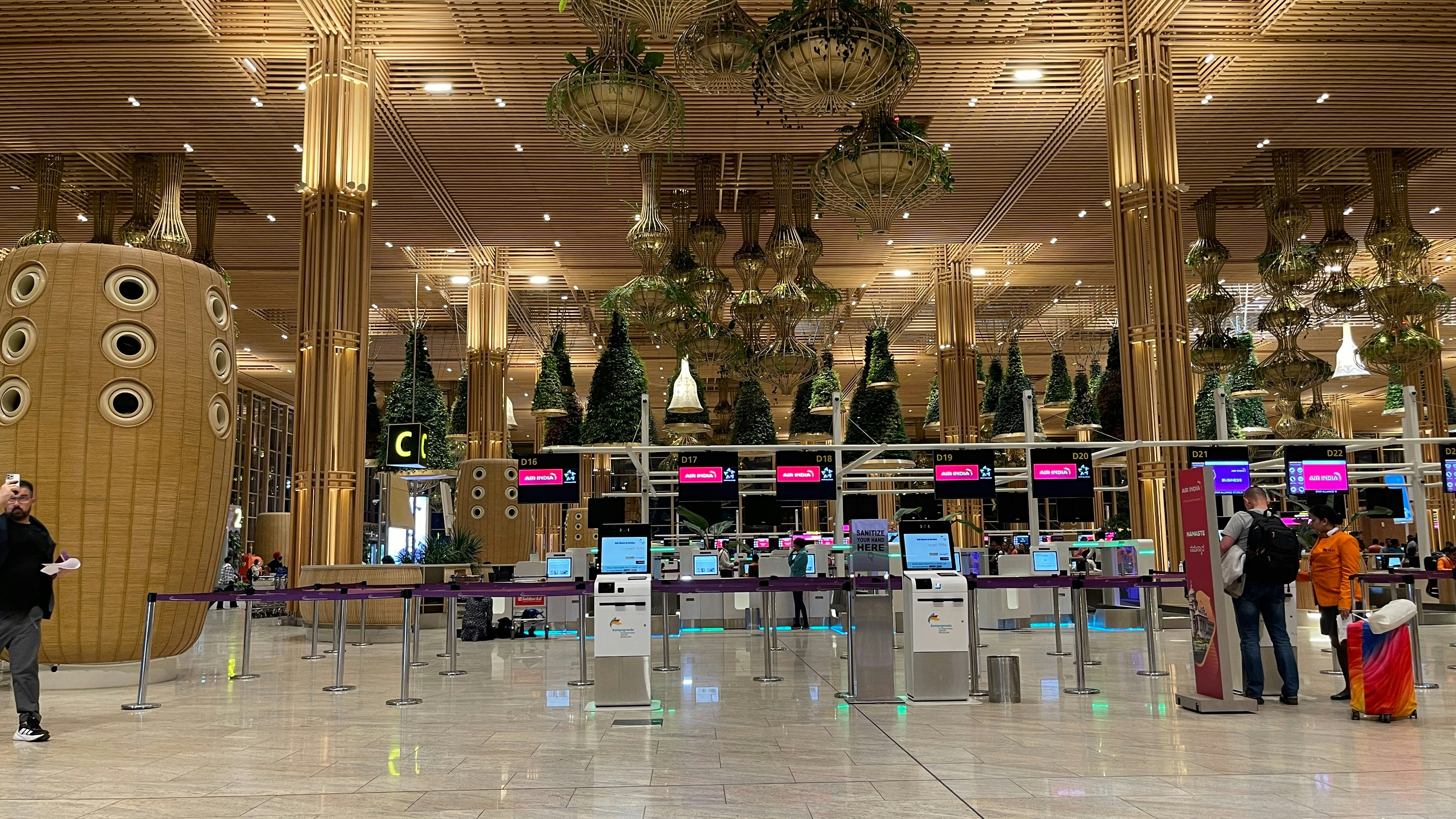
Walk past any modern retail store, corporate lobby, or hospital corridor, and you’ll spot them: bright screens displaying menus, announcements, or wayfinding maps that change throughout the day. These aren’t just fancy TVs. They’re digital signage systems, and they’re quietly transforming how businesses communicate with customers and employees.



Indian enterprises now deploy over 2 million digital displays across metros and tier-2 cities, with the market growing 15% annually. But here’s what makes them particularly interesting: when connected through an IoT platform, these screens become intelligent endpoints that respond to real-world data, from footfall sensors adjusting promotional content to weather APIs triggering monsoon sale alerts. This guide breaks down how digital signage works, its five core components, implementation costs, ROI metrics, and the growing role of IoT platform integration in creating context-aware display networks.
Understanding Digital Signage Components and Architecture
Digital signage consists of networked displays that show dynamic content remotely managed through cloud or on-premise software. Unlike printed posters that require manual replacement, these systems update instantly across hundreds of locations.
The architecture involves five essential elements working together. First, you need commercial-grade displays, not regular TVs. These screens handle 24/7 operation with brightness levels reaching 700+ nits for daylight visibility. They include HDMI ports, support portrait/landscape orientations, and carry 3-5 year warranties versus 1-2 years for consumer models.
Second comes the media player, a compact device that decodes and renders content. These mini-PCs or sticks connect via HDMI or USB, supporting 4K resolution and HTML5 formats. Players range from ₹5,000 basic units to ₹50,000 enterprise-grade models with edge computing capabilities.
Software Platform Requirements
The third component, digital signage software, acts as the control centre. Cloud-based platforms charge ₹500-3,000 per screen monthly, while on-premise solutions cost ₹50,000-500,000 upfront. Features include:
-
Drag-and-drop content creation
-
Multi-zone layouts (70% video, 30% ticker)
-
Scheduling by time, location, or triggers
-
Integration with RSS feeds, social media, ERP systems
-
Remote monitoring and analytics
Content forms the fourth element: videos, images, tickers, apps, or live data feeds. Quality matters: pixelated images or slow-loading videos damage brand perception. Keep video loops under 10 seconds for maximum impact.
Finally, you need a digital signage champion, someone internally who ensures adoption, maintains content freshness, and troubleshoots issues. Without this role, 40% of deployments fail within six months.
How Digital Signage Networks Function
Content flows from creation to display through IP networks. Administrators upload media to the central IoT platform or content management system (CMS). The platform pushes files to media players over wired Ethernet, Wi-Fi, or 4G connections. Players decode and render content on screens according to scheduled playlists.
Updates happen within seconds. A retail chain managing 500 stores nationwide can change morning promotions to lunch deals simultaneously. Geofencing capabilities enable location-specific content; Mumbai stores show different offers than Delhi outlets.
The network architecture supports various deployment models:
|
Deployment Type |
Network Requirements |
Update Speed |
Monthly Data Usage |
|---|---|---|---|
|
Cloud-based |
10 Mbps minimum |
2-5 seconds |
20-50 GB |
|
On-premise |
Local network only |
Instant |
Internal only |
|
Hybrid |
Both options |
Variable |
5-15 GB |
|
Edge computing |
5 Mbps sufficient |
Sub-second |
10-30 GB |
Performance Metrics and ROI
Intel research shows digital signage captures 400% more views than static signs. Dynamic HD/4K visuals grab attention within 2.5 seconds compared to 0.5 seconds for print materials. Retail deployments report 20-30% sales increases through targeted promotions at checkout points.
Cost savings prove substantial. Printing elimination reduces expenses by 70%, with typical ROI achieved within 12-18 months. Remote management cuts labour costs by 80%; no more sending staff to change posters at multiple locations.
Engagement metrics demonstrate clear advantages. Personalised content increases dwell time by 47% and conversions by 32%. A UK supermarket chain implementing IoT platform-connected shelf sensors with dynamic pricing screens saw 18% sales growth while reducing waste by 12%.
IoT Platform Integration Transforms Static Screens
Digital signage becomes truly powerful when backed by a robust IoT platform.
An IoT platform enables secure SIM-based connectivity, centralised device management, and actionable location intelligence, ensuring that every screen remains connected, controllable, and measurable across geographies.
Instead of operating as isolated displays, signage boards become part of an intelligent, centrally managed network.
IoT Platform as the Connectivity Backbone
At the core of modern digital signage networks is reliable cellular connectivity. An IoT platform manages thousands of SIM-enabled boards across cities through a single interface.
This enables:
-
Real-time content updates across locations
-
Remote monitoring of uptime and device health
-
Centralised SIM lifecycle management
-
Secure, encrypted data transmission
-
Rapid deployment without dependency on local Wi-Fi
With IoT platform-enabled connectivity, screens stay live, even in high-traffic or remote environments where traditional networks may fail.
Turning Connectivity into Data
While the cloud manages intelligence at scale, edge computing empowers each signage board to make instant decisions locally.
With edge capabilities embedded in media players:
-
Content continues to play even during temporary network disruptions
-
Pre-scheduled campaigns auto-trigger without latency
-
Screens adjust brightness automatically based on ambient light
-
Cached creatives reduce buffering and playback delays
The combination of IoT platform analytics and reliable connectivity turns static screens into measurable media assets.
Future Trends and Market Growth
The digital signage market reaches ₹2,500 crores in India, growing 12% annually through 2028. IoT platform integration drives this expansion, with 70% of enterprises planning smart signage deployments by 2027.
Emerging technologies reshape possibilities. 8K displays offer unprecedented clarity for large-format installations. AI personalisation tailors content based on demographic analysis without storing personal data. 5G networks enable low-latency streaming for interactive experiences.
Sustainability concerns influence adoption. Digital signage eliminates paper waste, while smart brightness controls reduce energy consumption by 20-30%. Solar-powered displays serve outdoor locations without grid connections.
The convergence of digital signage with IoT platform capabilities creates powerful business tools. From retail environments responding to customer behaviour to corporate communications adapting to workplace patterns, smart displays deliver measurable value. Indian enterprises already see 200-300% ROI through data-driven content optimisation.
As sensor technology becomes more affordable and network infrastructure improves, expect digital signage adoption to accelerate across sectors. For businesses evaluating communication strategies, the question isn’t whether to adopt digital signage, but how quickly to implement IoT platform-connected displays that transform static messages into dynamic, context-aware experiences. Airtel IoT provides enterprise-grade IoT connectivity solutions powering millions of connected devices across India, including digital signage networks that leverage GSM-based tracking and smart utility integration for comprehensive business intelligence.