Share
ShareHow IoT Connectivity Powers Smart Digital Signage for Customer Engagement
-
 March 15, 2026
 -

 7 min read
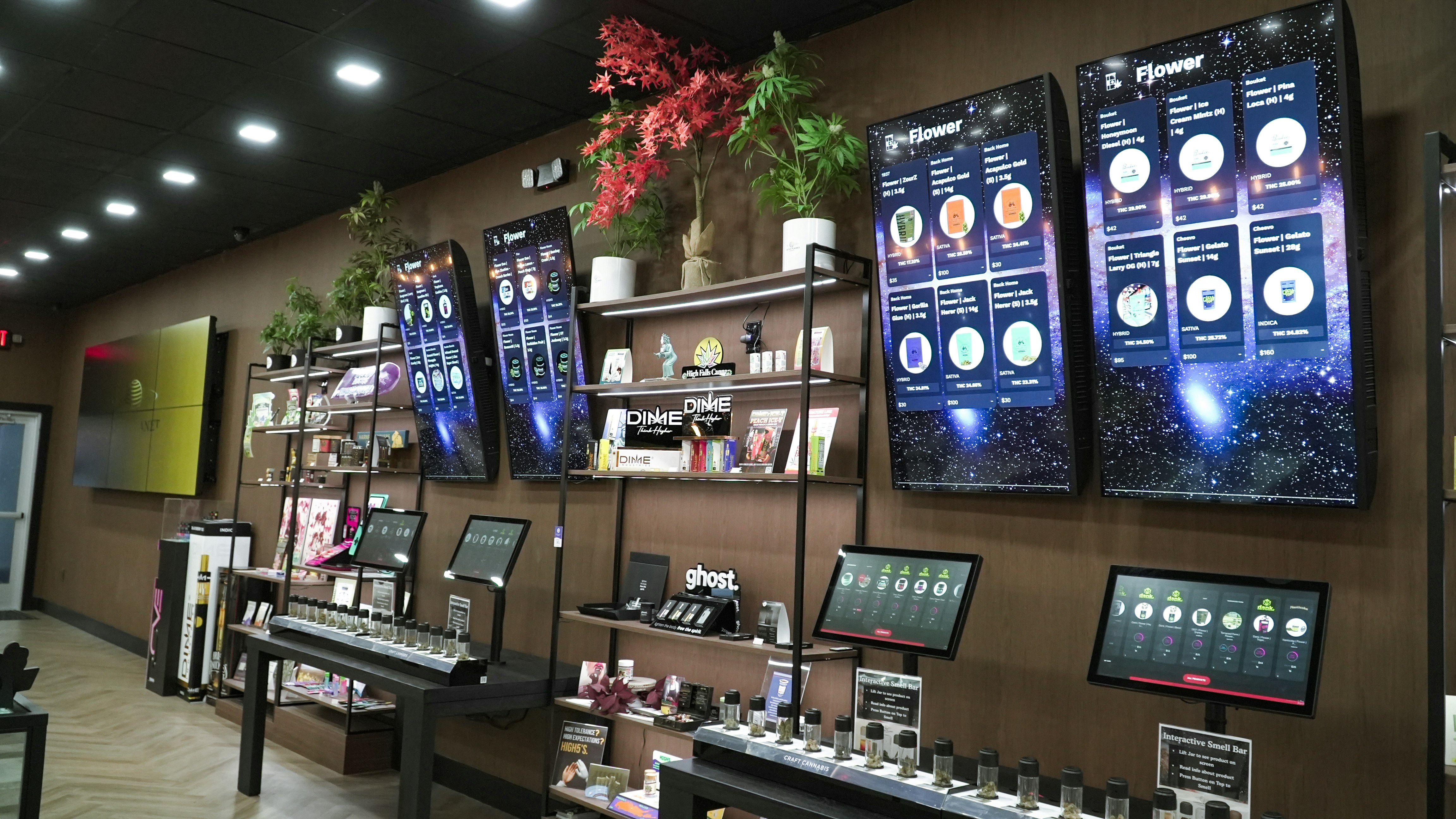
Walk into any major retail store, and you’ll notice screens adjusting their content as crowds move through different sections. This shift from static displays to responsive digital signage represents a fundamental change in retail communication. IoT devices now connect sensors, cameras, and displays into intelligent networks that respond to customer behaviour within seconds.



Digital signage attracts 400% more attention than traditional static displays, according to retail technology studies. When combined with IoT signage capabilities, these screens become powerful engagement tools that adapt content based on foot traffic, weather conditions, and even customer demographics. The global digital signage market, valued at USD 22.96 billion in 2024, will reach USD 39.79 billion by 2033, with IoT devices driving much of this growth.
This article examines how sensors enable behavioural adaptation, the technical architecture behind smart displays, operational benefits for businesses, and practical implementation considerations for Indian enterprises.
How Sensors and IoT Devices Enable Behavioural Adaptation
IoT devices transform passive screens into responsive communication channels through integrated sensor networks. Foot traffic sensors detect customer movement patterns and trigger content changes automatically. When 20 people gather near the electronics section, displays immediately showcase relevant promotions for that area.
Temperature and weather sensors add another layer of responsiveness. During sudden rainfall, outdoor displays switch to umbrella and raincoat promotions. Indoor screens near entrances highlight hot beverages when temperatures drop below 20°C. This environmental awareness creates contextually relevant messaging that resonates with customers’ immediate needs.
Smart cameras with anonymised facial recognition capture demographic data without storing personal information. These IoT devices detect approximate age ranges and adjust content accordingly. Youth-oriented brands appear when younger shoppers dominate, while insurance and investment ads display for older demographics.
Also Read: How Digital Signange Works
Voice Integration and Interactive Elements
Voice-activated IoT signage responds to customer queries about product locations, current offers, and store layouts. Microphones embedded in displays capture questions and provide instant responses using locally stored data. This two-way communication transforms signage from broadcast tools into interactive assistants.
Movement sensors track dwell time, how long customers pause at specific displays. Content that holds attention for more than 10 seconds gets prioritised, while ignored messages rotate out quickly. This continuous optimisation ensures screens show content that actually engages viewers.
Technical Architecture Behind IoT Signage Systems
IoT signage operates through three core components: edge devices, connectivity infrastructure, and content management platforms. Edge devices include sensors, processors, and media players that handle local data processing. These components reduce latency by making decisions without cloud communication for every update.
Connectivity options vary based on deployment needs:
|
Technology |
Update Speed |
Power Usage |
Coverage |
|---|---|---|---|
|
4G/5G Cellular |
1-5 seconds |
Medium |
95% India coverage |
|
NB-IoT |
30-60 seconds |
Very Low |
Urban areas |
|
LoRaWAN |
2-5 minutes |
Ultra Low |
Limited range |
|
Wi-Fi |
Sub-second |
High |
Indoor only |
Content management systems aggregate data from multiple IoT devices and orchestrate display updates. These platforms handle scheduling, content rotation, and performance monitoring from centralised dashboards. Modern systems process thousands of sensor inputs simultaneously while maintaining sub-second response times.
Security and Data Privacy Considerations
IoT signage systems implement multiple security layers to protect customer data and prevent unauthorised access. Encrypted connections between sensors and displays prevent data interception. Anonymisation happens at the sensor level; cameras detect demographics without capturing or storing faces.
Regular firmware updates patch vulnerabilities in IoT devices. Isolated network segments separate signage infrastructure from corporate systems, limiting potential breach impacts. Indian enterprises must comply with data protection regulations while implementing these technologies.
Business Impact and Operational Benefits
Retail deployments show measurable results from IoT signage implementation. Customer purchase inclination increases by 68% when viewing dynamically adjusted content. Foot traffic rises 24% in areas with responsive displays, while customer satisfaction improves 46% compared to static signage environments.
UK retailers report 84% believe digital signage enhances brand awareness more effectively than traditional methods. Visual content generates 94% more attention than text-based messaging, with 65% information retention three days after exposure. These metrics demonstrate clear returns on signage investments.
Inventory Management Integration
IoT devices connecting inventory systems with displays create powerful promotional opportunities. When stock levels exceed targets, screens automatically promote those items with flash discounts. Low-stock alerts prevent disappointment by removing sold-out products from promotional rotation.
Smart shelving sensors detect when products approach expiration dates. Connected displays highlight these items with time-limited offers, reducing waste while providing customer value. This integration streamlines operations without manual intervention.
Employee productivity improves through guided operations. Warehouse displays connected to IoT devices show optimal picking routes based on current goods movement. Staff complete tasks faster with fewer errors when following dynamically updated visual instructions.
Read Full Guide: Full Guide to Digital Signage
Implementation Challenges and Solutions
Indian businesses face specific challenges when deploying IoT signage systems. Infrastructure gaps in tier-2 and tier-3 cities limit connectivity options. Power fluctuations damage sensitive electronics without proper surge protection. Initial capital requirements deter smaller retailers from adoption.
Solutions exist for each challenge:
-
Infrastructure limitations: Hybrid connectivity using multiple networks ensures consistent operation. When primary connections fail, backup systems maintain basic functionality.
-
Power issues: Uninterruptible power supplies protect equipment while voltage stabilisers prevent damage from fluctuations.
-
Cost concerns: Phased rollouts start with high-traffic zones before expanding. Cloud-based content management reduces on-premise infrastructure needs.
Staff Training Requirements
Successful IoT signage deployment requires employee education. Staff must understand system capabilities, basic troubleshooting, and content update procedures. Training programmes typically require 8-12 hours spread across multiple sessions.
Regular refresher courses keep teams updated on new features and best practices. Vendor support agreements provide technical assistance during initial deployment phases. Documentation in local languages improves adoption rates among diverse workforces.
Market Growth and Future Projections
The digital signage market shows consistent expansion patterns. From USD 24.41 billion in 2025, projections indicate growth to USD 35.94 billion by 2026. Indian markets mirror global trends with increased adoption in retail, hospitality, and transportation sectors.
IoT devices become more sophisticated with each generation. 2026 trends include:
-
Hyper-personalisation: Individual customer experiences based on purchase history
-
Mixed reality integration: AR overlays on physical displays
-
Experience metrics: Engagement measurement beyond simple dwell time
-
3D displays: Volumetric content without special glasses
GSM-based tracking provides economical alternatives to GPS systems. These trackers cost approximately three times less while offering reliable monitoring for non-critical applications. Battery life varies from weeks to months, depending on update frequency.
Major Indian retailers already pilot IoT signage programmes. Shopping malls in metro cities deploy networks of 100+ connected displays. Quick-service restaurants use menu boards that adjust pricing based on time and demand patterns.
Transportation hubs represent significant growth opportunities. Airport displays showing real-time flight information integrate with weather sensors for delay predictions. Railway stations use IoT devices for platform guidance and safety announcements.
Integrating IoT To Transform Customer Engagement
IoT signage fundamentally changes how businesses communicate with customers. Sensor integration, behavioural adaptation, and automated content management create experiences that static displays cannot match. The technology moves beyond simple advertising to become an integral part of customer service and operational efficiency.
Indian enterprises gain competitive advantages through strategic IoT device deployment. Success requires careful planning, phased implementation, and continuous optimisation based on performance data. Businesses considering digital signage transformation should evaluate their connectivity infrastructure, content management capabilities, and staff readiness before deployment.
For organisations seeking reliable connectivity solutions for their IoT signage networks, Airtel IoT provides enterprise-grade connectivity with 95% coverage across India, supporting millions of connected devices through purpose-built infrastructure designed for business applications.