Share
ShareHow Does an IoT Hub Simplify Management of Large-Scale IoT Smart Devices?
-
 June 2, 2026
 -

 5 min read

How can organisations manage thousands of connected endpoints deployed across factories, vehicles, utilities, and urban infrastructure? Large ecosystems of IoT smart devices generate constant data streams and device interactions. Managing these networks manually quickly becomes inefficient. A central IoT hub simplifies device supervision by consolidating connectivity, monitoring, and device control into one platform.
This centralised architecture enables enterprises to manage large device fleets efficiently while reducing complexity across distributed digital systems.



The Rising Complexity of Large IoT Deployments
Enterprises deploy connected technologies across industries such as manufacturing, logistics, energy, and healthcare. As deployments expand, device ecosystems grow rapidly.
Common challenges appear when device networks scale:
-
Thousands of distributed devices across locations.
-
Multiple network technologies and connectivity layers.
-
Continuous firmware updates and maintenance tasks.
-
Device lifecycle tracking.
-
Data monitoring across multiple systems.
Large fleets of IoT smart devices create management challenges when devices are dispersed across regions. Organisations therefore require a central platform to manage these ecosystems effectively.
What Is an IoT Hub?
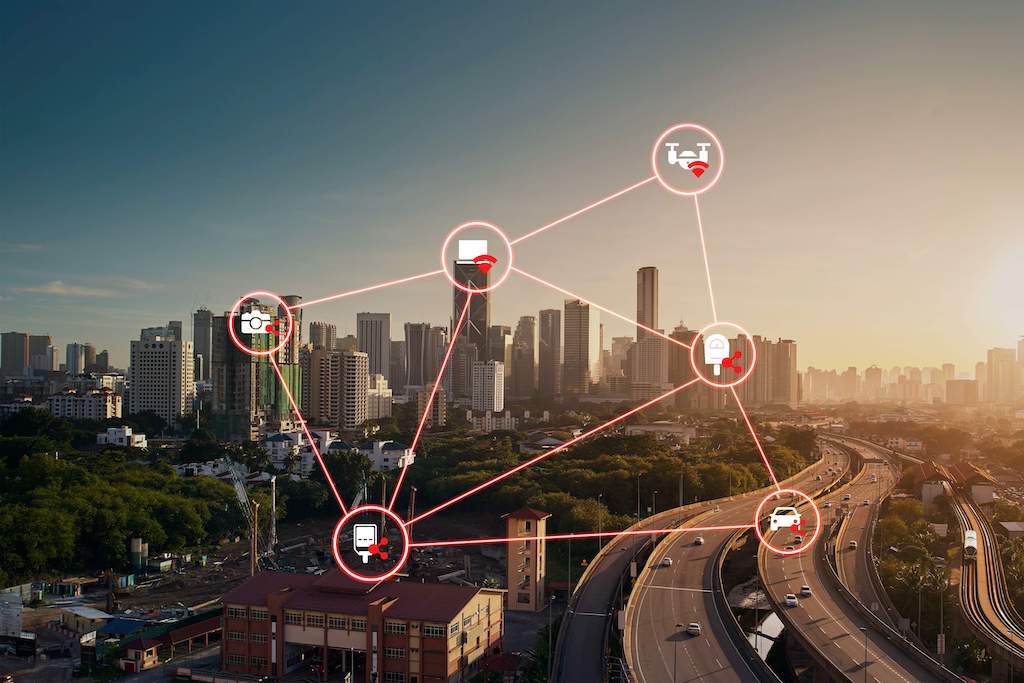
An IoT hub acts as a central management platform that connects devices, networks, and enterprise applications. It serves as the coordination layer between physical devices and digital systems.
Typical capabilities of such a platform are:
-
Device authentication and registration.
-
Data routing between devices and applications.
-
Remote configuration and updates.
-
Device performance monitoring.
-
Connectivity supervision.
This structure allows enterprises to supervise large device environments through one central interface instead of managing devices individually.
Centralised Monitoring for Device Networks
A hub provides visibility across thousands of distributed endpoints. This monitoring capability allows organisations to track device activity across different environments.
Typical monitoring functions involve:
-
Real-time device status visibility.
-
Alerts for device faults.
-
Device performance tracking.
-
Network connectivity monitoring.
Central monitoring helps teams manage thousands of IoT smart devices across industrial plants, logistics fleets, and infrastructure systems.
Remote Device Configuration and Control
Large deployments require remote control capabilities. Physical access to each device becomes impractical when devices are widely distributed.
Remote device management functions include:
-
Firmware upgrades.
-
Configuration changes.
-
Device diagnostics.
-
Device restart or reset commands.
A structured IoT hub platform reduces maintenance visits and simplifies management for large distributed device fleets.
Connectivity Supervision Across Networks
Connectivity management represents a critical component in IoT infrastructure. Devices may rely on cellular, LPWAN, or hybrid connectivity networks. A hub provides tools to supervise connectivity across devices.
Typical capabilities involve:
-
SIM lifecycle management.
-
Data usage tracking.
-
Network performance diagnostics.
-
Device connectivity status monitoring.
Enterprises deploying large connected ecosystems may also evaluate telecom platforms such as Airtel IoT Connectivity services. Such platforms provide central connectivity dashboards that help enterprises supervise device networks across multiple regions.
Device Lifecycle Management
Managing devices across their entire lifecycle is essential for enterprise IoT systems. Device lifecycle stages usually involve:
|
Lifecycle Stage |
Activity |
|
Provisioning |
Device onboarding and authentication |
|
Deployment |
Device configuration and network activation |
|
Device Use |
Monitoring, diagnostics, and updates |
|
Maintenance |
Firmware upgrades and device checks |
|
Decommissioning |
Secure device removal from network |
An IoT hub manages these lifecycle stages through automated workflows and central dashboards. This approach helps organisations manage expanding ecosystems of IoT smart devices without fragmented processes.
Data Processing and Analytics
Connected devices generate large volumes of data continuously. This information becomes valuable when processed and analysed effectively.
A hub typically performs several data functions:
-
Aggregation of device data streams
-
Event alerts and notifications
-
Data routing to analytics systems
-
Reporting dashboards for device performance
These capabilities support predictive maintenance, asset monitoring, and infrastructure performance analysis.
Security and Access Control
Security becomes more important as device fleets expand. Every connected device introduces potential network risk. A central hub allows organisations to implement structured security controls.
Security mechanisms may involve:
-
Device authentication protocols
-
Encryption of device communications
-
User access permissions
-
Threat monitoring systems
These mechanisms protect large deployments of IoT smart devices across enterprise networks.
Scalability for Enterprise IoT Infrastructure
Large enterprises require infrastructure capable of supporting rapid device expansion. Device ecosystems may grow from thousands to millions of connected endpoints.
Scalable IoT infrastructure typically supports:
-
Large device onboarding capacity
-
High-volume data transmission
-
Automated device registration
-
Cloud platform integration
Telecom connectivity platforms can support this scale. Enterprises planning large device ecosystems may opt for IoT Connectivity services, which provide tools for device connectivity management, SIM administration, and network monitoring through a central platform.
Integration with Enterprise Platforms
Enterprise IoT systems must connect with existing business technologies. Device data often feeds enterprise platforms used for analytics and monitoring.
Common integrations involve:
-
enterprise resource planning platforms.
-
supply chain management systems.
-
analytics and reporting tools.
-
monitoring dashboards.
These integrations transform device data into actionable insights for enterprise technology environments.
Building Efficient IoT Device Ecosystems
Large device ecosystems require centralised management architecture. A well-designed IoT hub simplifies monitoring, connectivity supervision, data routing, and device control across large networks. This structure helps organisations manage thousands of IoT smart devices efficiently while reducing system complexity.
Enterprises planning large connected deployments should check out Airtel IoT Connectivity services to simplify device network management and support long-term IoT infrastructure growth.
FAQs
-
An IoT hub centralises device communication, monitoring, and control, allowing organisations to manage large fleets of connected devices from a single platform.
-
Enterprises use IoT hubs to simplify device supervision, manage connectivity, monitor performance, and control large networks of IoT smart devices efficiently.
-
Yes, an IoT hub allows remote configuration, firmware updates, diagnostics, and device resets, reducing physical maintenance requirements across distributed device deployments.
-
It provides tools to monitor network performance, track data usage, manage SIM lifecycle, and supervise connectivity across thousands of connected devices.
-
Large deployments benefit from platforms like Airtel IoT Connectivity services that support connectivity supervision, device monitoring, and scalable infrastructure for enterprise IoT ecosystems.