Share
ShareDigital Electric Meter: Powering India’s Smart Utility Revolution
-
 November 20, 2025
 -

 5 min read
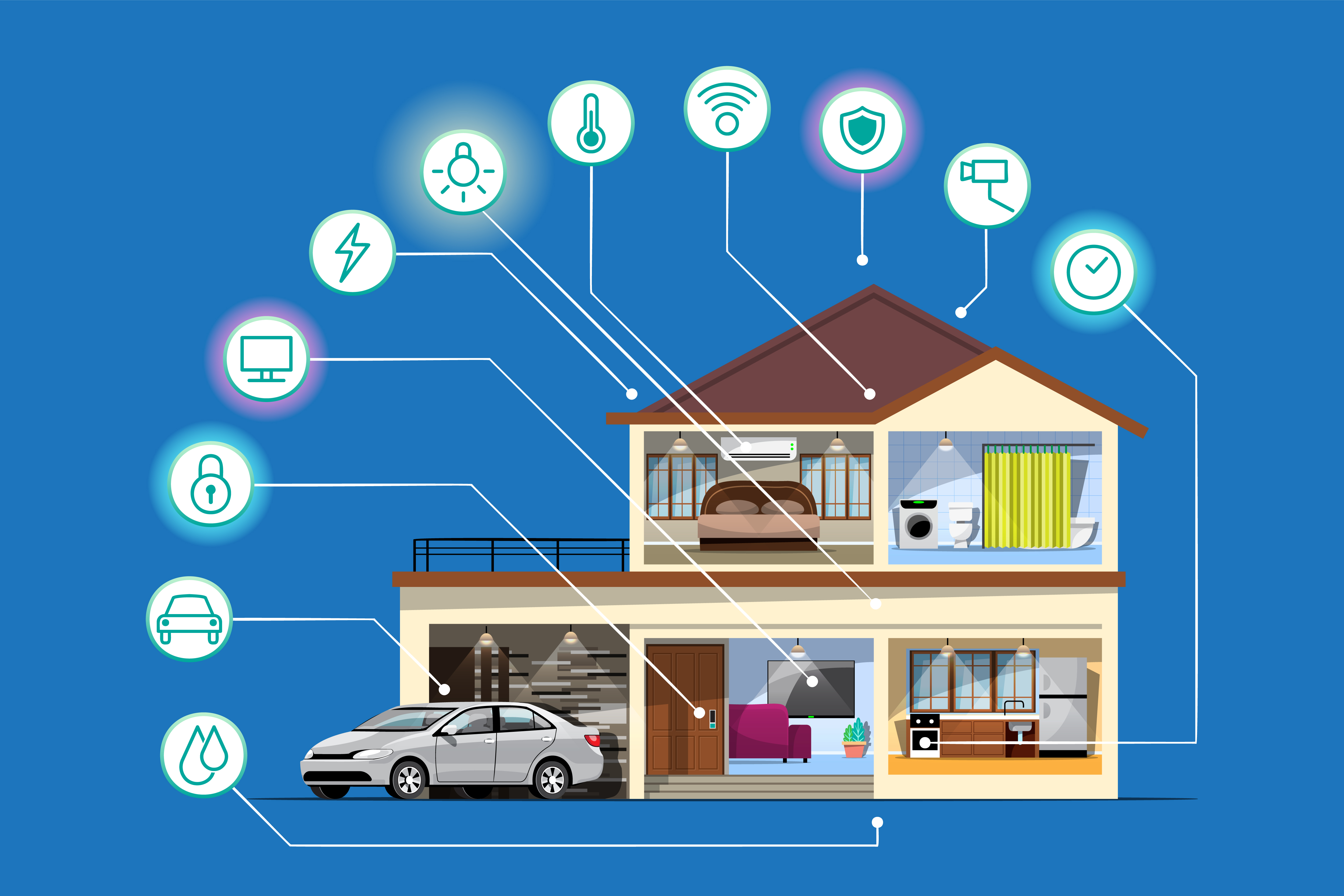
As India races towards a smarter, more sustainable future, one unsung hero is quietly revolutionising the utility sector: the digital electric meter. More than just a technological upgrade, these advanced meters represent a paradigm shift in how utilities operate and engage with consumers. From enabling real-time monitoring to reducing power theft, digital energy meters are the foundation of India’s smart grid ambitions.
In this article, we’ll explore the transformative impact of digital metering, the scale of India’s smart meter rollout, and the key policy and economic drivers propelling this change. We’ll also dive into the technical capabilities of these meters and how they’re enabling a more efficient, transparent, and responsive utility ecosystem.



Understanding Digital Electric Meters
At their core, digital electric meters are electronic devices that measure electricity consumption using digital circuits. They replace traditional electromechanical meters, displaying readings on an LCD or LED screen and storing, processing, and transmitting consumption data.
Key Technical Features
Digital energy meters boast an array of advanced capabilities that set them apart from their analog predecessors:
- Real-time consumption measurement, with high-frequency data logging (e.g., every 15 minutes).
- Remote communication, sending data to utility servers via IoT, 5G, or cloud platforms.
- Tamper detection through internal sensors that identify bypass or manipulation attempts.
- Prepaid functionality, allowing consumers to pay for electricity upfront like mobile plans.
- Net metering support for rooftop solar and distributed energy, tracking both consumption and grid exports.
- Integrated analytics, with embedded processors enabling load profiling, power quality analysis, and event logging.
Types of Digital Meters in India
India’s digital meter landscape includes several key variants:
| Meter Type | Description |
| Static Digital Meter | Basic digital display without communication; replacing most urban analog meters |
| Smart Meter (AMI) | Advanced Meter Infrastructure meters with two-way communication and remote control |
| Prepaid Smart Meter | Enables pay-as-you-go models; popular where collection efficiency is low |
| Net Energy Meter | Tracks both import and export for solar prosumers; supports grid balancing |
India’s Unprecedented Smart Meter Ambitions
Under the Smart Meter National Programme (SMNP) and the Revamped Distribution Sector Scheme (RDSS), India has set an audacious target of deploying 250 million smart meters by 2025. This represents one of the world’s largest utility digitisation efforts, with progress already underway across the nation:
| Region | Meters Installed (2025 est.) | Key Benefits |
| Northern India | 10 million | Reduced theft, accurate billing |
| Southern India | 9 million | Real-time outage detection |
| Western India | 8 million | Enhanced grid stability |
| Eastern India | 6 million | Improved energy efficiency |
| Central India | 5 million | Consumer awareness programs |
Drivers of the Digital Meter Revolution
Several critical factors are propelling India’s smart meter adoption:
- Power Theft & Technical Losses: With Aggregate Technical & Commercial (AT&C) losses averaging 34% annually—among the highest globally—smart meters are key to reducing theft, improving billing accuracy, and deterring pilferage.
- DISCOM Financial Health: Distribution companies (DISCOMs) suffer chronic losses due to inefficient billing and theft. Smart meters are expected to reduce AT&C losses to 12–15% by 2025.
- Smart Grid Integration: Digital electric meters lay the foundation for grid modernisation, integrating renewables and enabling demand-side management.
- EV and Rooftop Solar Growth: The proliferation of electric vehicles and solar installations requires advanced metering for net billing and dynamic pricing.
- Urbanisation and Smart Cities: High-load urban centers and smart city pilots are driving adoption, especially in privatised utility environments.
The government has launched several initiatives to accelerate this transformation, including the Smart Meter National Programme (SMNP), which aims for 250 million installations by 2025. The Energy Efficiency Services Limited (EESL) is tasked with large-scale procurement and deployment, focusing on states like Uttar Pradesh, Bihar, and Gujarat.
Digital Energy Meters: Enabling a Smarter Utility Ecosystem
Beyond their immediate benefits, digital electric meters are catalysing a broader transformation of India’s utility landscape. By providing real-time visibility into consumption patterns, these meters enable utilities to optimise grid operations, forecast demand more accurately, and respond swiftly to outages or quality issues.
Smart meters also empower consumers to make informed decisions about their energy use. With prepaid functionality and real-time consumption data, households can better manage their budgets and reduce wastage. This is particularly impactful for low-income communities, where energy costs can be a significant burden.
Moreover, digital energy meters are crucial for integrating renewable energy sources like rooftop solar. By enabling net metering and dynamic pricing, these meters facilitate the growth of distributed generation and support the grid’s stability as intermittent renewables come online.
Partnering for a Smarter Future
As India’s smart meter revolution gathers pace, partnerships between utilities, technology providers, and government agencies will be key to unlocking the full potential of digital metering. Advanced Metering Infrastructure Service Providers (AMI SPs) play a crucial role, deploying and managing the Head-End Systems (HES) and Meter Data Management (MDM) solutions that underpin smart meter rollouts.
Airtel Smart Utilities is at the forefront of this transformation, providing end-to-end smart metering solutions that leverage its extensive telecom network and IoT expertise. With a focus on helping DISCOMs overcome challenges like high AT&C losses and inefficient billing, Airtel IoT enables the seamless integration of smart meters into existing utility infrastructure.
Powering India’s Energy Future
The digital electric meter is not just a technological upgrade—it’s a catalyst for a smarter, more sustainable, and more equitable energy future for India. By enabling real-time monitoring, reducing losses, and empowering consumers, these meters are laying the foundation for a truly smart grid.
As India races towards its ambitious smart meter targets, it’s clear that digital energy meters will play a pivotal role in shaping the nation’s energy landscape. From enhancing DISCOM financial health to facilitating renewable integration, the benefits of digital metering extend far beyond the individual household.
With the right partnerships, policies, and investments, India is poised to lead the global smart metering revolution—and digital electric meters are powering the way forward.