In today’s digital age, credit card fraud and scams have become increasingly prevalent. As more people rely on credit cards for online transactions and everyday purchases, it’s crucial to take proactive measures to help prevent credit card scams. In this article, we’ll share practical strategies and tips to help you protect your credit card from fraudulent activities.
Understanding Credit Card Fraud
Credit card fraud occurs when someone uses your credit card or card details without your permission. Fraudsters employ various tactics to obtain your sensitive information, such as:
- Skimming devices at ATMs or gas pumps
- Phishing emails or text messages
- Data breaches at retailers or financial institutions
- Stolen or lost credit cards
It’s essential to familiarise yourself with these common methods to prevent credit card scams and protect yourself from falling victim to fraud.
Secure Habits for Credit Card Protection
Adopting secure habits is the first line of defence when it comes to credit card fraud protection. Here are some best practices to follow:
- Keep your credit card in a safe place and avoid lending it to others.
- When entering your PIN, always cover the keypad to prevent others from seeing it.
- Regularly review your credit card statements for any unauthorised transactions.
- Avoid saving your credit card details on online shopping websites.
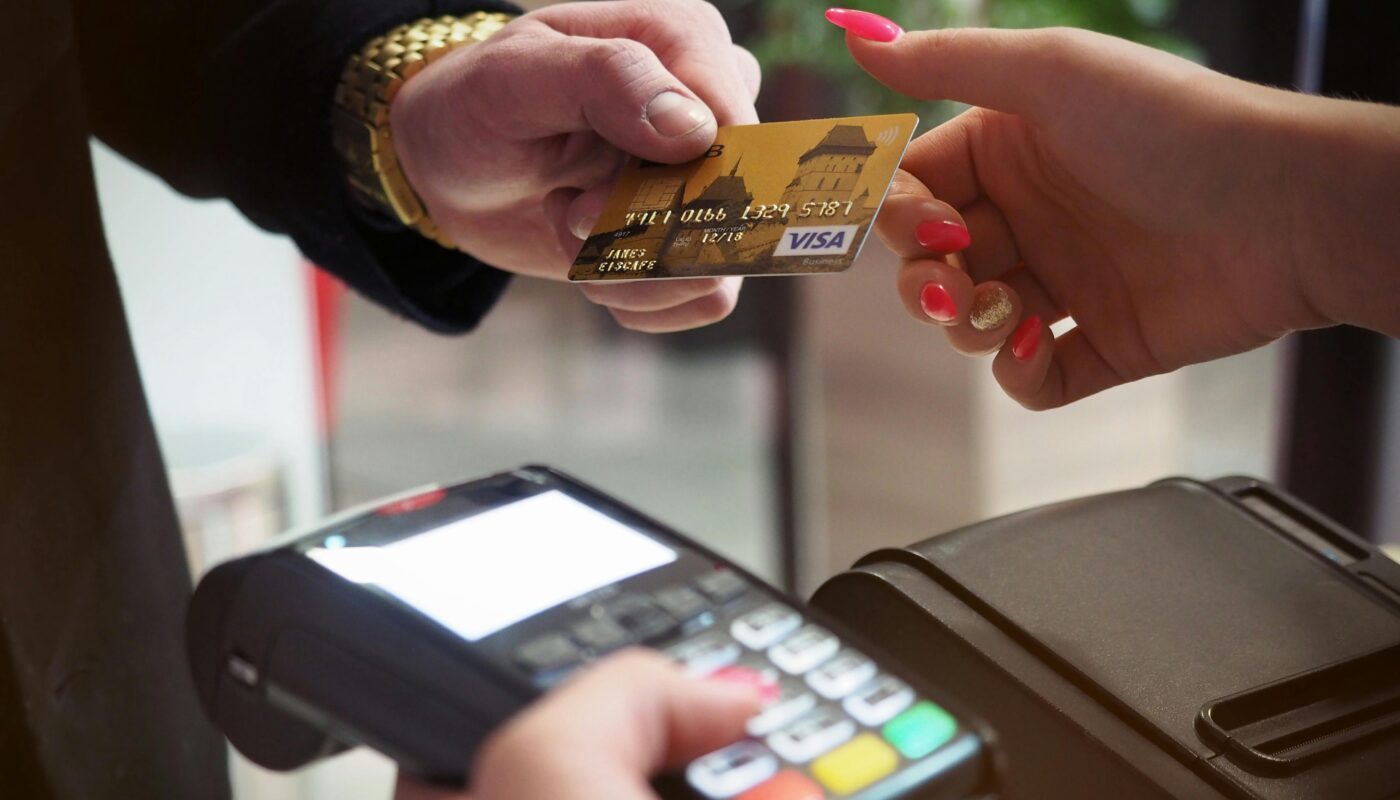
- Opt for contactless payments whenever possible, as they are less susceptible to skimming.
By incorporating these habits into your daily routine, you can significantly reduce the risk of credit card fraud.
Leveraging Technology for Enhanced Security
Modern technology offers various tools and features to enhance credit card security. Consider the following options for better credit card fraud protection:
- Tokenisation: Many credit card providers use tokenisation to replace your actual card number with a unique token for each transaction. This enhances credit card fraud protection by ensuring your real card details are not exposed.
- Biometric Authentication: Some credit cards now offer biometric authentication, such as fingerprint or facial recognition, to verify your identity during transactions. This technology makes it much harder for fraudsters to use your card without your consent.
- Two-Factor Authentication (2FA): Enable 2FA whenever possible, especially for online transactions. This requires an additional verification step, such as entering a one-time password (OTP) sent to your registered mobile number, to complete the transaction.
- Fraud Detection Tools: Many credit card issuers employ sophisticated fraud detection tools that analyse your spending patterns and flag any suspicious activity. If an unusual transaction is detected, you may receive an alert or be asked to verify the purchase.
| Security Feature | Benefit |
| Tokenisation | Replaces card number with unique tokens |
| Biometric Authentication | Verifies identity using fingerprint or facial recognition |
| Two-Factor Authentication | Requires additional verification step for transactions |
| Fraud Detection Tools | Analyses spending patterns to flag suspicious activity |
By taking advantage of these technological advancements, you can further strengthen your credit card fraud protection and reduce the chances of unauthorised transactions.
What to Do If You Suspect Credit Card Fraud
Despite your best efforts to prevent credit card scams, there may be instances where you suspect your credit card has been compromised. If you notice any unauthorised transactions or believe your card details have been stolen, take the following steps immediately:
- Contact your credit card issuer’s customer support and report the suspicious activity.
- Request to block your credit card to prevent any further unauthorised transactions.
- File a formal dispute for the fraudulent charges with your credit card provider.
- Monitor your credit score closely for any unexpected changes or new accounts opened in your name.
Remember, the sooner you report the fraud, the better your chances of minimising the damage and recovering any lost funds.
Educating Yourself and Staying Vigilant
One of the most effective ways to protect your credit card from fraud is to stay informed and vigilant. Regularly educate yourself about the latest scams and fraud techniques used by criminals. Some common scams to watch out for include:
- Phishing emails or text messages claiming to be from your bank or credit card issuer, asking for your personal information or login credentials.
- Unsolicited phone calls from individuals posing as representatives of your credit card company requesting sensitive details.
- Fraudulent websites that mimic legitimate online stores are designed to steal your credit card information during the checkout process.
Summing Up
Protecting your credit card from fraud and scams requires a combination of secure habits, technological solutions, and ongoing vigilance. By understanding the common methods used by fraudsters, adopting best practices for credit card security, and leveraging advanced features offered by credit card providers, you can significantly minimise the risk of unauthorised transactions and financial losses.
If you’re looking for a reliable and secure credit card option, Airtel Finance offers a range of credit cards with robust security features to keep your finances safe. From real-time transaction alerts to secure online banking, Airtel Finance ensures that your credit card experience is both convenient and secure. Additionally, you can easily access your credit score through the Airtel Thanks App, empowering you to make informed financial decisions.
Stay one step ahead of scammers by educating yourself about credit card fraud protection and adopting best practices. With the right tools and a cautious approach, you can enjoy the benefits of your credit card while keeping your financial information secure.
FAQs
- What should I do if my credit card is lost or stolen?
If your credit card is lost or stolen, immediately contact your credit card issuer to report the loss and request a card block to prevent unauthorised transactions. - How can I spot a phishing email or text message?
Phishing emails or text messages often contain urgent language, ask for sensitive information, or have suspicious links. Always verify the sender’s identity before sharing any personal details. - Is it safe to use my credit card for online transactions?
Yes, it is generally safe to use your credit card online if you shop from reputable websites and ensure that the site uses secure encryption (look for “https” in the URL). - How often should I review my credit card statements?
It’s recommended to review your credit card statements at least once a month to identify any unauthorised transactions or discrepancies. - What are the benefits of using a credit card with advanced security features?
Credit cards with advanced security features, such as tokenisation and biometric authentication, offer an extra layer of protection against fraud and unauthorised transactions, giving you peace of mind.