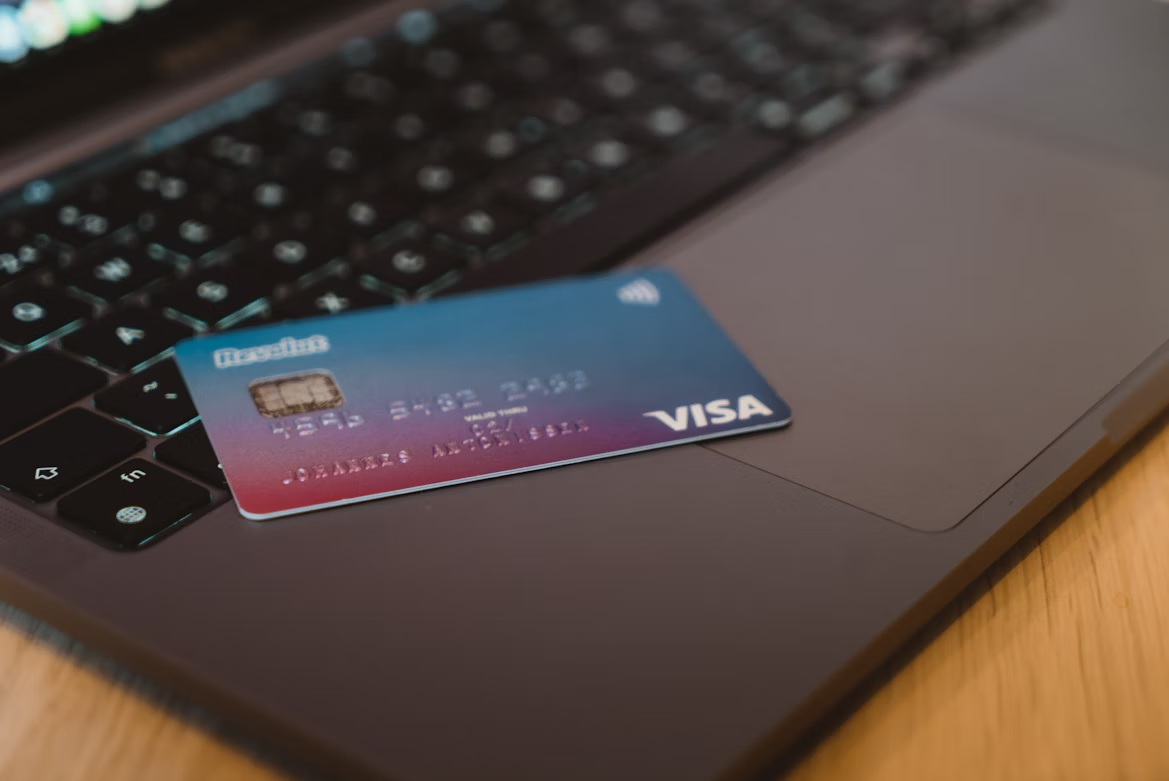
| Overview: Understanding your credit card CVV number is crucial for secure online transactions. This guide explains CVV protection, fraud prevention tips, and safe digital payment practices for Indian users to avoid unauthorised transactions and financial losses. |
Why Your Credit Card CVV Number Matters More Than Ever
India’s digital payments market is surging towards $10 trillion by 2026, making transaction security critical for every user. Your credit card CVV number serves as the final defence against online fraud, yet many Indians remain unclear about its importance. With the Reserve Bank of India implementing enhanced security measures like two-factor authentication and tokenisation, understanding CVV protection has become essential.
This guide breaks down everything you need to know about safeguarding your CVV number and ensuring secure online transactions.
What is a CVV Number and How It Protects You?
In addition to the various parts of your credit card, your CVV number is a three- or four-digit security code that authenticates card-not-present transactions.
Where to Find Your CVV
- Visa/Mastercard: Three digits on the back of your card
- American Express: Four digits on the front
- Debit cards: Usually three digits on the back
The CVV number acts as proof that you physically possess the card during online purchases. When you enter it on secure websites, merchants can verify the transaction’s legitimacy without storing this sensitive information permanently, just like an OTP.
Essential CVV Protection Practices
Protecting your CVV is crucial to preventing credit card fraud—follow these simple but essential practices to keep your financial data safe.
Never Share Your CVV Number
Banks and legitimate companies will never ask for your complete CVV number over the phone, email, or SMS. Fraudsters often pose as bank representatives requesting this information during fake verification calls.
Secure Storage Guidelines
- Memorise your CVV number instead of writing it down
- Never save CVV details in browsers or apps
- Avoid photographing your card or storing images online
- Use separate, secure methods to remember multiple CVV numbers
Online Shopping Safety
When entering your credit card CVV number online:
- Verify the website URL starts with “https://”
- Look for security padlock icons in the address bar
- Use trusted payment gateways like those offered by established financial services
- Avoid public Wi-Fi for financial transactions
Modern credit card providers offer additional security layers, including transaction alerts and fraud monitoring, to complement CVV protection.
| Tip: Never share your CVV number over email, phone, or with any unverified third party. Legitimate banks never request complete CVV details through unsecured channels. |
What to Do If Your CVV is Compromised?
If your CVV is ever compromised or your card is stolen or lost, swift action is key to limiting damage and protecting your financial well-being.
Immediate Action Steps
- Contact your bank immediately – Most banks have 24/7 fraud helplines
- Block your card temporarily – Prevent unauthorised transactions
- Monitor account statements – Check for suspicious activities
- File a police complaint – For significant fraud attempts
- Request card replacement – Get a new card with a different CVV
Prevention Going Forward
- Set up transaction alerts for all card activities
- Review monthly statements carefully
- Update your contact information with the bank
- Consider using virtual credit cards for online shopping
- Enable two-factor authentication where available
The RBI’s enhanced security protocols now require additional verification for many online transactions, but your CVV number remains the primary defence mechanism.
Building Long-term Transaction Security
Long-term CVV protection starts with consistent monitoring and smart digital habits, backed by secure financial tools and providers.
Regular Monitoring Habits
Check your credit card statements weekly rather than monthly. Early detection of unauthorised CVV number usage can limit financial damage and speed up resolution processes.
Smart Digital Practices
- Use official banking apps instead of third-party services
- Update your devices and browsers regularly
- Enable automatic security patches
- Avoid clicking suspicious links in emails or messages
Choosing Secure Financial Products
Select credit cards from providers who prioritise transaction security. Look for features like real-time fraud alerts, secure mobile apps, and robust customer support for security incidents.
In a Nutshell
Understanding your credit card CVV number’s role in transaction security helps you make informed decisions about online spending. Combined with good digital practices, CVV awareness significantly reduces fraud risks while maintaining convenient access to digital financial services. Stay one step ahead in fraud protection—explore Airtel Finance Credit Cards with real-time alerts and enhanced security features.
FAQs
1. What happens if someone knows my credit card CVV number?
They can potentially make unauthorised online purchases, but most banks have fraud detection systems that flag suspicious activities quickly.
2. Should I memorise my CVV number or write it down?
Memorising your CVV number is safer than writing it down, as physical notes can be lost or stolen by others.
3. Can I change my credit card CVV number without getting a new card?
No, you need a replacement card to get a new CVV number, as it’s permanently encoded during card production.
4. Why do some websites not ask for my CVV number?
Some merchants use tokenisation or stored payment methods that don’t require CVV number entry for repeat customers or subscriptions.
5. Is it safe to give my CVV number to customer service representatives?
Never provide your complete CVV number to anyone over the phone or email, even if they claim to represent your bank.