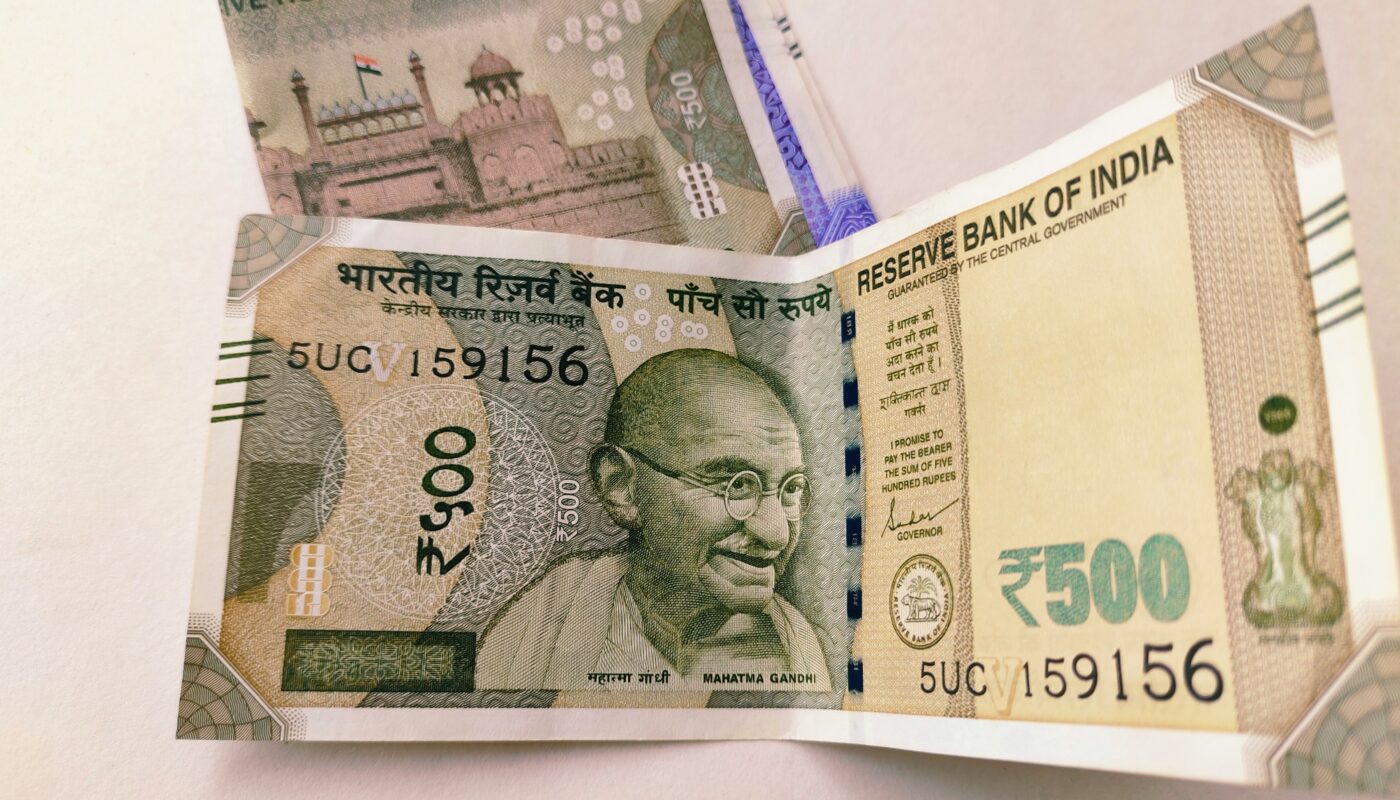
| Overview: NEFT enables secure fund transfers across India with no RBI-imposed limits, but individual banks set transaction caps ranging from ₹2 lakh to ₹1 crore. Understanding these limits helps you plan large payments, investments, and loan repayments effectively while avoiding transaction failures. |
Understanding NEFT Transaction Limits in India
Over ₹7.5 lakh crore flows through NEFT monthly, making it a backbone for electronic fund transfers in India. With roughly 18% year-on-year growth in adoption, millions rely on NEFT for everything from salary transfers to large investment payments. However, many Indians face confusion about NEFT transaction limits when planning significant financial moves like property purchases or business payments.
The NEFT transaction limit varies dramatically between banks, creating practical challenges for users. While the Reserve Bank of India sets no maximum transfer cap, your actual limit depends entirely on your bank’s internal policies and your account type. This guide breaks down exactly how much you can transfer, when limits apply, and practical workarounds for large payments.
RBI Guidelines vs Bank-Imposed NEFT Transaction Limits
RBI sets NEFT rules, but banks decide daily transaction limits.
What RBI Actually Says About NEFT Limits
The Reserve Bank of India imposes no minimum or maximum NEFT transaction limit. Technically, you can transfer any amount starting from ₹1 upwards through NEFT. There’s also no daily cap on total transaction value or frequency as per RBI regulations.
This unlimited approach reflects RBI’s confidence in NEFT’s security infrastructure, which processes transactions through encrypted channels with multiple authentication layers.
How Banks Set Their Own NEFT Transaction Limits
Despite RBI’s open policy, every bank creates internal NEFT transaction limits for risk management. These caps vary significantly:
| Bank Type | Typical Per-Transaction Limit | Daily Limit |
| Public Sector Banks | ₹2 lakh – ₹5 lakh | ₹10 lakh – ₹25 lakh |
| Private Banks | ₹10 lakh – ₹20 lakh | ₹50 lakh – ₹1 crore |
| Corporate Accounts | ₹1 crore+ | Unlimited |
Indian banks cap individual NEFT transactions at ₹2 lakh typically. However, daily aggregate limits may apply as per internal bank policy.
Checking and Increasing Your NEFT Transaction Limit
Learn how to view your current NEFT limit and the steps to request an increase for smoother fund transfers.
1. Step-by-Step Process to Check Your Current Limit
Follow these steps to check your current limit:
- Log into net banking and navigate to ‘Fund Transfer’ settings
- Check NEFT section for displayed transaction and daily limits
- Review account type—savings accounts typically have lower caps than current accounts
- Contact customer service if limits aren’t clearly displayed
2. How to Increase Your NEFT Transaction Limit
Most banks offer limit enhancement through these channels:
Online Method:
- Access your banking app or website
- Navigate to ‘Services’ or ‘Limit Management’
- Request higher NEFT transaction limit
- Authenticate via OTP
- Approval typically takes 24-48 hours
Branch Method:
- Visit your home branch with ID proof
- Fill in the limit enhancement form
- Provide income proof and transaction justification
- Higher approvals depend on your CIBIL score and banking relationship
| Smart Hack: Maintain a credit score above 750 when requesting limit increases. Banks view high-scoring customers as lower risk and approve higher limits more readily. |
3. Factors Affecting Your NEFT Transaction Limit Approval
Banks consider several parameters:
- Account vintage (older accounts get higher limits)
- Average monthly balance maintained
- Previous large transaction history
- Income documentation quality
- Credit score from CIBIL or other bureaus
If you’re planning to apply for an Airtel Finance Personal Loan, check your credit score first, as this impacts both loan approval and your ability to secure higher transfer limits.

Practical Scenarios and Workarounds for Large Transfers
Explore real-life examples and smart solutions for handling high-value NEFT transfers efficiently.
Common Situations Where NEFT Transaction Limits Matter
Everyday cases where NEFT limits impact your transfers:
- Education Fees Payment: Paying ₹25 lakh for overseas education requires strategic planning. With a ₹10 lakh daily NEFT transaction limit, you need three separate transfers across multiple days.
- Property Purchase: Transferring ₹50 lakh for property booking becomes complex with standard ₹20 lakh limits. Consider requesting temporary limit increases or using multiple transfer methods.
- Business Payments: SMEs often struggle with supplier payments exceeding their NEFT transaction limit. Business accounts typically offer higher caps but require proper documentation.
Alternative Transfer Methods When You Hit NEFT Limits
Other ways to move money when NEFT limits are reached.
| Transfer Method | Minimum Amount | Maximum Limit | Processing Time | Best Use Case |
| NEFT | ₹1 | Bank-specific | 30 minutes – 2 hours | Regular transfers |
| RTGS | ₹2 lakh | Unlimited | Real-time | Large, urgent transfers |
| IMPS | ₹1 | ₹5 lakh | Instant | Small, immediate transfers |
Calculation Example: To transfer ₹30 lakh with a ₹10 lakh NEFT transaction limit:
- Option 1: Three NEFT transfers of ₹10 lakh each (may require multiple days)
- Option 2: One RTGS transfer of ₹30 lakh (higher charges but single transaction)
- Option 3: Request temporary limit increase to ₹30 lakh
NEFT Charges and Timing Considerations
Key details on NEFT fees and processing times.
1. Understanding NEFT Transaction Costs
The RBI mandates zero charges for receiving NEFT transfers. However, sending charges vary:
- Small transfers (up to ₹10,000): ₹2.50 + GST
- Medium transfers (₹10,001 to ₹1 lakh): ₹5 + GST
- Large transfers (₹1 lakh to ₹2 lakh): ₹15 + GST
- Very large transfers (above ₹2 lakh): ₹25 + GST
| Did You Know? NEFT has been operating 24×7 since December 2019, unlike RTGS, which has specific hours. This makes NEFT ideal for non-urgent large transfers that exceed daily limits. |
2. Strategic Timing for Multiple Large Transfers
When your NEFT transaction limit forces multiple transfers, timing becomes crucial:
- Spread across days to avoid daily limit breaches
- Use business hours when some banks offer higher limits
- Plan for weekends as settlement may take longer
- Consider recipient bank processing times
For large NEFT transfers, always verify recipient details, use registered beneficiaries, save receipts, and inform recipients of multiple transactions. Banks add extra security like OTPs, cool-off periods, manager approvals, and monitoring unusual patterns to ensure safe, high-value transfers.
Final Thoughts
Understanding NEFT transaction limits is key to smart financial planning. Whether you’re investing, repaying loans, or handling business payments, knowing your transfer capacity prevents last-minute hassles.
To manage large transactions smoothly, explore financial products that align with your NEFT transaction limits. The Airtel Finance Personal Loan offers flexible repayment options, making it easier to plan high-value transfers without stress.
Always check your bank’s NEFT transaction limit, plan multiple transfers if needed, or request temporary increases for one-time large payments. Stay proactive, manage your funds efficiently, and ensure your money moves securely—because smooth transfers make financial goals easier to achieve.
FAQs
1. What is the maximum NEFT transaction limit in India?
There’s no RBI-imposed maximum for NEFT transactions. However, banks typically set limits between ₹2 lakh and ₹1 crore per transaction based on your account type and banking relationship.
2. Can I transfer ₹50 lakh through NEFT in one day?
This depends on your bank’s daily NEFT transaction limit. Most retail accounts have lower caps, requiring multiple transactions or temporary limit increases for such amounts.
3. Are NEFT transaction limits different for business accounts?
Yes, business and corporate accounts generally have much higher NEFT transaction limits, often ₹1 crore or more per transaction. These limits are subject to documentation and relationship.
4. How can I increase my NEFT transaction limit permanently?
Contact your bank through net banking or visit a branch with proof of income, ID documents, and justification for higher limits. Approval depends on your credit profile.
5. What are the charges for large NEFT transfers?
NEFT charges are typically ₹25 + GST for transfers above ₹2 lakh. Receiving money through NEFT is always free as per RBI guidelines.