In today’s digital age, data breaches have become an unfortunate reality. As more and more of our personal and financial information is stored online, the risk of this sensitive data falling into the wrong hands has increased. One of the most critical pieces of information that can be compromised in a data breach is your credit card details.
If your credit card information is exposed, it can lead to unauthorised transactions, identity theft, and a host of other financial headaches. That’s why it’s essential to follow credit card protection tips to safeguard your finances. In this article, we’ll guide you through the key steps to secure your credit card after a breach and protect your financial security.
Stay Informed and Alert
The first step in protecting your credit card after a data breach is to stay informed. When a company experiences a breach, they are often required to notify affected customers. Watch for official communications like emails or letters informing you about the breach and what information was compromised.
However, be cautious of phishing attempts disguised as breach notifications. Scammers often exploit data breaches to send fake emails, hoping to trick you into revealing personal information. Always verify the authenticity of any communication by visiting the company’s official website or contacting customer support directly.
Request a New Credit Card Number
If your credit card details have been compromised in a data breach, one of the most effective credit card protection tips is to request a new card number from your credit card issuer. This renders the compromised information useless to fraudsters.
When you receive your new card, update any recurring charges or automatic payments linked to the old number to ensure your bills are paid on time and help prevent credit card fraud.
Monitor Your Transactions Closely
After a data breach, it’s crucial to monitor your credit card statements and transaction history for any suspicious activity. Review your statements regularly and look for unauthorised charges. Even small transactions that you don’t recognise could signal your card has been compromised.
Consider setting up account alerts with your credit card issuer. Most banks and financial institutions offer the option to receive notifications via email or SMS for transactions above a certain amount or for any activity on your card. These alerts can help you quickly identify and report any fraudulent charges, thereby enhancing your credit card protection strategy.
Freeze Your Credit Reports
One of the most powerful tools in your arsenal against identity theft is a credit freeze. By placing a security freeze on your credit reports with all three major credit bureaus (Equifax, Experian, and TransUnion), you can prevent credit card fraud more effectively. When a credit freeze is in place, lenders and creditors cannot access your credit report, making it difficult for anyone to open new lines of credit using your information.
You will need to lift the freeze temporarily when applying for legitimate credit, such as a loan or a new credit card. Regularly using this strategy is one of the best credit card protection tips available.
Update Passwords and Security Measures
In the wake of a data breach, change the passwords for your credit card account and linked online services. Use strong, unique passwords for each account and avoid using the same one across platforms. Consider a password manager to help securely store and generate complex passwords.
Enable multifactor authentication when possible. This adds a second layer of security by requiring a verification code in addition to your password. These steps are vital to secure your credit card after a breach.
Be Aware of Scams
Scammers often target individuals after a data breach. Be wary of unsolicited calls, emails, or messages claiming to be from your bank or card issuer. Legitimate institutions will never ask for sensitive information like your card number, CVV, or PIN.
If you receive suspicious communication, do not engage. Instead, contact your bank or credit card provider directly using official contact details found on their website or the back of your credit card. This vigilance is a crucial component of your credit card protection tips.
Check Your Credit Reports Regularly
In addition to monitoring your credit card statements, check your credit reports for any unusual activity. You are entitled to one free credit report annually from each major credit bureau. Visit AnnualCreditReport.com to request your reports and review them for signs of identity theft.
Checking your credit reports regularly can help you identify signs of identity theft early on, allowing you to take swift action to minimise the damage and secure your credit card after a breach.
Consider Fraud Alerts
If you suspect that your credit card information has been compromised, you can add a fraud alert to your credit file. A fraud alert notifies lenders and creditors that they should take extra steps to verify your identity before granting credit in your name. This can help prevent credit card fraud effectively.
Fraud alerts are free and remain in effect for one year. You can renew the alert after it expires if you feel it’s still necessary. This is yet another of the many credit card protection tips you can employ.
Final Thoughts
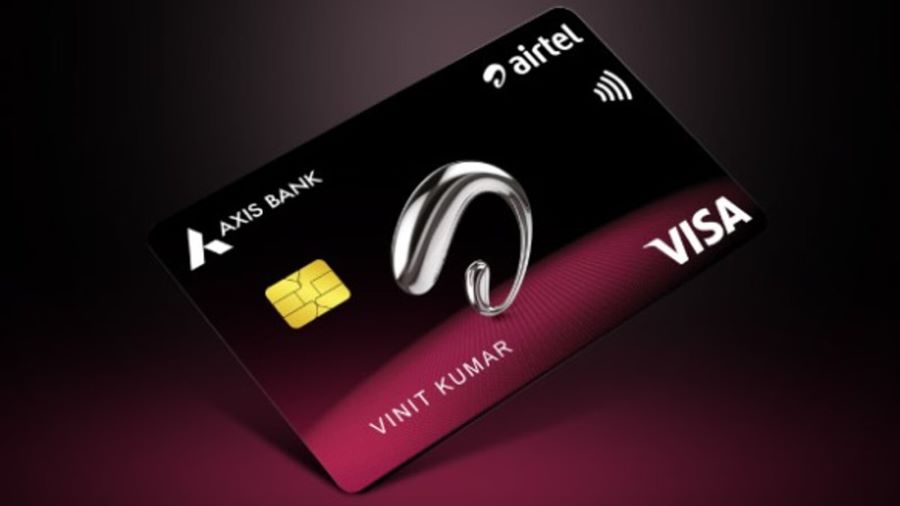
By following these credit card protection tips and staying vigilant, you can significantly reduce the risk of credit card fraud after a data breach. Act quickly, stay informed, and take advantage of the resources available to you, such as those offered by Airtel Finance.
Credit card offerings by Airtel Finance come with robust security features, including real-time fraud monitoring and the ability to instantly block your card if it’s lost or stolen. By leveraging these tools, you can minimise the risk of fraud in the aftermath of a data breach.
Additionally, the Airtel Thanks app allows you to monitor your credit score, track transactions, and set up alerts for suspicious activity, offering an easy way to stay on top of your credit health.
FAQs
- What should I do if I suspect my credit card has been used fraudulently after a data breach?
If you notice unauthorised charges, report them to your card issuer immediately. They will help you investigate and dispute fraudulent transactions. - How long does a credit freeze last, and how can I remove it?
A credit freeze remains until you choose to remove it. To lift the freeze, contact each credit bureau and provide the unique PIN or password you received when placing the freeze. - Can I still use my credit card if I place a credit freeze on my reports?
Yes, a credit freeze only prevents new accounts from being opened. It doesn’t affect your ability to use existing credit cards. - What’s the difference between a credit freeze and a fraud alert?
A credit freeze prevents anyone from accessing your credit reports, while a fraud alert requires lenders to take extra steps to verify your identity before granting credit. - How often should I check my credit reports for signs of fraud?
It’s recommended to review your credit reports at least once a year. However, if you suspect your information has been compromised, check your reports more frequently.