In today’s digital age, credit cards have become an essential part of our financial lives. They offer convenience, flexibility, and a host of benefits. However, with the rise of virtual cards, many people are wondering whether they should stick to traditional physical credit cards or switch to their digital counterparts. In this article, we’ll explore the key differences between physical vs virtual credit card options, pros of physical credit cards and virtual card benefits, and help you decide which one is right for you.
Understanding Physical Credit Cards
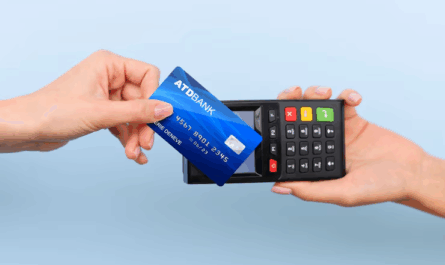
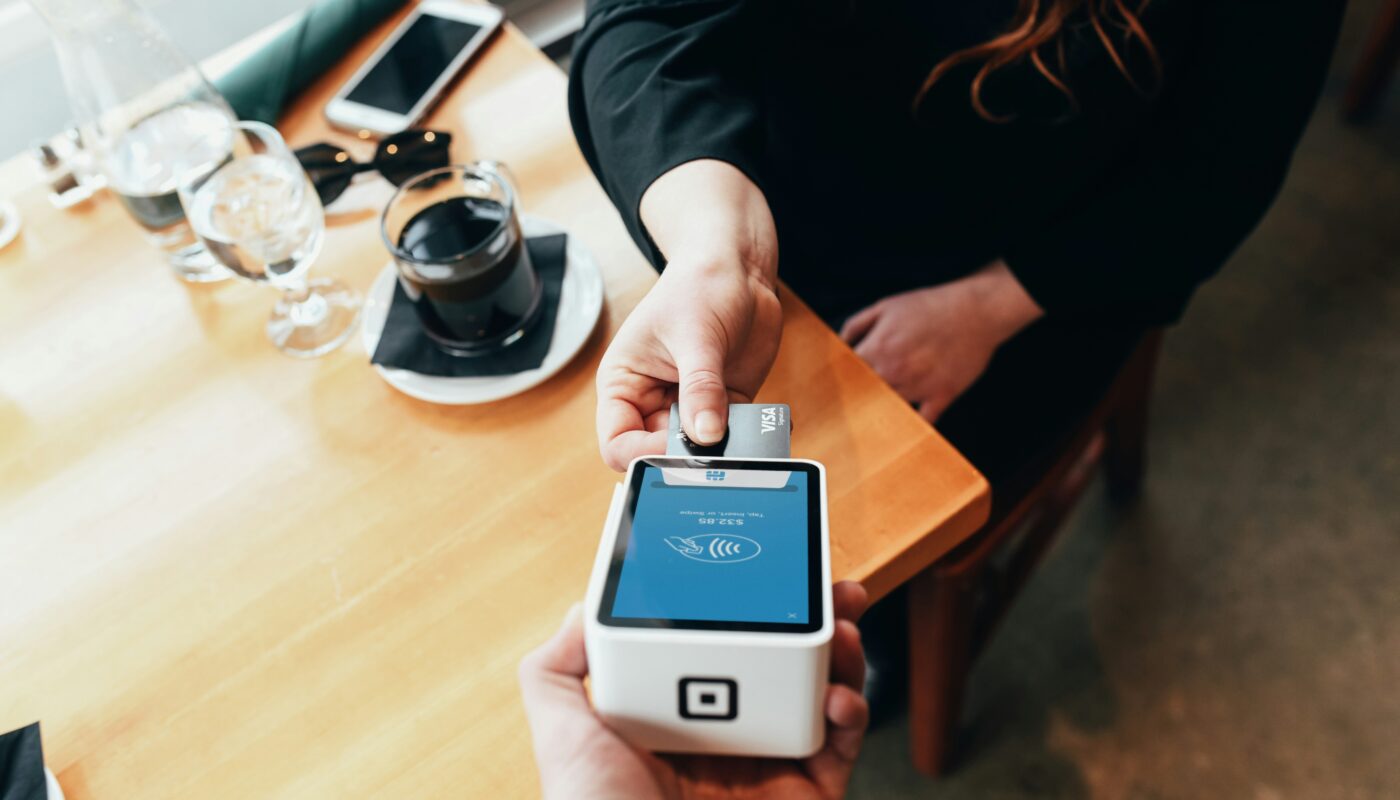
A physical credit card is a tangible card made of plastic or metal that you can use to make purchases at brick-and-mortar stores, online, or withdraw cash from ATMs. These cards have been around for decades and are widely accepted by merchants worldwide.
Benefits of Physical Credit Cards
- Universal Acceptance: Physical credit cards are accepted almost everywhere, making them a versatile payment option for both offline and online transactions.
- Cash Withdrawals: With a physical card, you can easily withdraw cash from ATMs when needed, providing added flexibility.
- Higher Credit Limits: Physical credit cards often come with higher credit limits compared to virtual cards, allowing you to make larger purchases.
Drawbacks of Physical Credit Cards
- Security Risks: Physical cards are susceptible to theft, skimming, and data breaches, especially when used for online transactions.
- Loss or Damage: There’s always a risk of losing your physical card or having it damaged, which can be inconvenient and require a replacement.
Exploring Virtual Credit Cards
A virtual credit card is a digital version of a traditional credit card. It exists solely in digital form and can be accessed through mobile apps or online platforms. Virtual credit cards have unique card numbers, CVV codes, and expiration dates, just like physical credit cards.
Benefits of Virtual Credit Cards
- Enhanced Security: Virtual cards minimise the exposure of your sensitive information, reducing the risk of unauthorised access and data breaches.
- Online Shopping Convenience: Virtual cards are ideal for online shopping, as they allow you to make purchases without revealing your primary credit card details.
- Subscription Management: With virtual cards, you can easily create separate card numbers for each online subscription, making it easier to track and manage your expenses.
- Increased Control: Virtual cards often come with features like spending limits, the ability to freeze or disable the card instantly, and real-time transaction notifications.
Drawbacks of Virtual Credit Cards
- Limited Acceptance: Virtual cards are primarily designed for online transactions and may not be accepted at physical stores or ATMs.
- Lack of Physical Presence: In some situations, such as booking a hotel room or renting a car, you may be required to present a physical card for verification purposes.
Comparing Physical and Virtual Credit Cards
To help you make an informed decision, let’s compare the key features of physical and virtual credit cards:
| Feature | Physical Credit Card | Virtual Credit Card |
| Format | Tangible plastic or metal card | Digital card accessed through apps or online platforms |
| Acceptance | Widely accepted offline and online | Primarily for online transactions |
| Security | Vulnerable to theft, skimming, and data breaches | Enhanced security with unique card numbers and limited exposure |
| Cash Withdrawals | Possible at ATMs | Not supported |
| Credit Limits | Generally higher | May have lower limits |
| Subscription Management | Requires manual tracking | Easy to create separate card numbers for each subscription |
| Loss or Damage | Risk of losing the physical card or having it damaged | No risk of physical loss or damage |
Choosing the Right Credit Card for You
When deciding between a physical and virtual credit card, consider your specific needs and preferences:
- If you frequently shop online and want added security, a virtual card might be the better choice.
- If you need a card for both online and offline transactions, as well as cash withdrawals, a physical credit card is more suitable.
- If you want the flexibility to use your card in any situation, having both a physical and virtual card can provide the best of both worlds.
Remember, your credit score plays a crucial role in determining your eligibility for credit cards. Maintaining a good credit score by making timely payments and managing your credit responsibly is essential, regardless of the type of card you choose.
Wrapping Up
Both physical and virtual credit cards have their unique advantages and drawbacks. Physical cards offer wide acceptance and the ability to withdraw cash, while virtual cards provide enhanced security and convenience for online transactions. By understanding your spending habits and financial needs, you can make an informed decision on which type of credit card suits you best.
If you’re looking for a reliable and feature-rich credit card, consider exploring the options offered by Airtel Finance. With a range of physical and virtual credit cards tailored to your needs, Airtel Finance can help you manage your finances effectively. Download the Airtel Thanks App today to learn more about their credit card offerings and take control of your financial future.
FAQs
- Can I use a virtual credit card for in-store purchases?
No, virtual credit cards are primarily designed for online transactions and cannot be used for in-store purchases or cash withdrawals at ATMs.
- Are virtual credit cards safer than physical cards?
Yes, virtual credit cards offer enhanced security by minimising the exposure of your sensitive information and reducing the risk of unauthorised access and data breaches.
- Can I have both a physical and virtual credit card from the same issuer?
Yes, many credit card issuers offer the option to have both a physical and virtual card, allowing you to enjoy the benefits of both formats.
- How do I apply for a virtual credit card?
To apply for a virtual credit card, you typically need to download the issuer’s mobile app or visit their website and follow the application process. Some issuers automatically provide a virtual card upon approval of a physical credit card application.
- Are there any fees associated with virtual credit cards?
Virtual credit cards may have similar fees as physical cards, such as annual fees or foreign transaction fees. However, some issuers offer virtual cards with no additional fees. It’s essential to review the terms and conditions of the specific virtual card you’re considering.