| Overview: Credit cards can be powerful financial tools when used wisely. Responsible usage ensures convenience and improved credit scores. However, poor handling can lead to overwhelming dues and interest charges. This blog explores strategies to use credit cards smartly, manage spending, and maintain financial health while steering clear of debt traps. |
Why Credit Cards Can Make or Break Your Finances
In India, credit cards have seen tremendous adoption, with over 100 million cards in circulation as of 2024, according to Reserve Bank of India data. While they offer ease of transactions, attractive rewards, and EMI facilities, misuse often results in high-interest debt. Rising delinquency rates highlight the importance of informed financial behaviour.
By embracing disciplined spending and repayment habits, credit card holders can enjoy their benefits without financial stress. Using credit cards smartly requires awareness, planning, and consistent effort to avoid credit card debt, which can otherwise spiral into long-term financial strain.
The Role of Credit Cards in India
Credit cards are not just about deferred payments. They function as instruments to build a strong credit profile, enjoy cashback, access reward points, and even secure emergency funds. However, interest rates on unpaid balances can be as high as 40% annually in India. This makes mindful usage essential.
Key advantages:
- Convenience in everyday spending
- Secure online and offline payments
- Access to exclusive rewards and offers
- Opportunity to build a strong credit score
Potential risks:
- High interest charges on rollover balances
- Overspending beyond repayment capacity
- Negative impact on credit history if misused
Smart Spending Habits with Credit Cards
Spending wisely ensures you stay within your budget. Using your card for essential and planned purchases can maximise benefits.
- Track your expenses: Use apps to avoid billing errors.
- Budget with discipline: Allocate a monthly spending cap and avoid exceeding it.
- Spend for rewards: Use credit cards where they give cashback, points, or discounts.
- Avoid impulsive buys: Delay unnecessary purchases until absolutely required.
Maintaining financial discipline helps cardholders avoid credit card debt while enjoying value-added benefits.
Timely Payments and EMI Management
Managing payments on time is the single most effective way to stay debt-free and maintain a strong credit history.
Importance of timely payments
Paying the bill in full by the due date ensures zero interest charges. Late payments attract penalties and harm your credit score.
Using EMI facilities wisely
Credit cards often provide an EMI option for large purchases. This is helpful, but one must:
- Choose short tenure EMIs to reduce interest
- Avoid multiple EMI conversions at the same time
- Ensure EMIs don’t exceed 30–40% of monthly income
| Important to Know: Even one missed payment can reduce your CIBIL score significantly. |
Comparing Benefits and Pitfalls of Credit Cards
Credit cards bring valuable rewards and financial flexibility, but poor management can quickly turn these advantages into costly pitfalls.
| Aspect | Benefits | Pitfalls if misused |
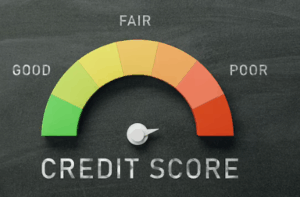
| Credit Score | Helps build strong score with timely repayment | Late payments hurt credit rating |
| Rewards | Cashback, points, discounts on spends | Overspending to earn rewards increases debt |
| EMI Option | Manage large expenses with smaller payments | Multiple EMIs can strain finances |
| Interest Charges | Nil if paid on time | Up to 40% annually if balances are carried |
| Lifestyle Benefits | Travel, dining, shopping offers | May tempt overspending beyond capacity |
Building Good Credit Habits
Developing these practices consistently helps cardholders avoid credit card debt effectively while building long-term financial confidence.
- Always pay at least the full billed amount.
- Use only 30–40% of your credit limit.
- Keep track of annual fees and hidden charges.
- Do not apply for too many cards at once.
Responsible Use of Multiple Cards
Many individuals hold more than one card. While this increases reward opportunities, it also requires better management.
- Use one card for essentials (groceries, fuel, utilities).
- Use another card for travel or dining rewards.
- Pay all dues on time to avoid confusion.
- Avoid juggling balances between cards, as it increases interest rates.
Where Airtel Axis Bank Credit Card Fits In
Among the various options available, the Airtel Axis Bank Credit Card combines rewards and savings in a consumer-friendly manner. It offers:
- Cashback on Airtel services such as mobile, broadband, and DTH
- Benefits on partner platforms for shopping and food delivery
- Complimentary lounge access at select airports
- Waivers on fuel surcharge and other common expenses
For users who actively manage their bills and online spending, this card fits seamlessly into a strategy to use credit cards responsibly. Choosing such cards helps avoid credit card debt by ensuring each purchase brings tangible savings.
| What You Must Know: Rewards points lose value if you don’t clear bills in full monthly. |
Emergency Preparedness with Credit Cards
Credit cards act as financial cushions during emergencies, such as medical expenses or urgent travel. However, reliance on them should be temporary and coupled with a repayment plan. Building an emergency fund remains more sustainable, while cards provide backup liquidity. For travel, check international charges before using.
Educating Family Members
Many households today allow supplementary cards for family members. Educating them on:
- Spending limits
- Responsible repayment
- Not overspending for rewards
This avoids unnecessary debt accumulation and strengthens financial awareness within families.
The Bottom Line: Spend Smart, Stay Debt-Free
Credit cards, when used wisely, can unlock financial convenience, rewards, and security. But without discipline, they easily lead to heavy dues and interest burdens. Staying mindful of spending, paying bills on time, and choosing the right card are critical steps to ensure lasting financial health.
There are several options available, but the Airtel Axis Bank Credit Card stands out for combining cashback, lifestyle rewards, and everyday savings. It helps cardholders strike the right balance between benefits and responsibility.
FAQs
Q1. How can I avoid credit card debt effectively?
To avoid credit card debt, always pay your bills in full by the due date, limit spending to essentials, and track transactions carefully. Using budgeting tools, setting reminders, and avoiding cash withdrawals also helps. Keeping utilisation below 40% of your credit limit maintains financial discipline consistently.
Q2. Is it better to pay the minimum balance on a credit card?
Paying only the minimum balance keeps your account active but attracts heavy interest charges on the remaining amount. This increases the repayment burden over time. The best approach is to clear the total outstanding balance every month. This practice protects your credit score and reduces unnecessary costs.
Q3. What are the common mistakes people make with credit cards?
Common mistakes include overspending beyond repayment capacity, missing deadlines, withdrawing cash, and chasing rewards unnecessarily. Another frequent error is juggling balances across multiple cards, which worsens charges. By avoiding these habits, cardholders can also steer clear of credit card scams.
Q4. How do EMIs on credit cards work?
Credit card EMIs convert high-value purchases into smaller monthly instalments, making them more manageable. However, these EMIs often come with added interest and processing fees. Choosing short repayment tenures and not overloading with multiple EMIs ensures affordability. Timely repayment of EMIs prevents long-term debt accumulation and financial strain.
Q5. Why is a credit score important for credit card users?
A good credit score improves your eligibility for higher credit limits, loans, and premium cards. Missing payments or carrying high balances harms the score significantly. Timely repayments, controlled credit usage, and regular monitoring of credit reports help maintain strong scores, ensuring better financial opportunities and lower borrowing costs.