Share
Share5 Ways Utility Management Services Cut Costs for Urban Infrastructure
-
 November 20, 2025
 -

 5 min read

5 Utility Management Strategies Slashing Costs for Cities in 2025
As urban populations continue to swell and the escalating impacts of climate change put unprecedented pressure on aging infrastructure, the costs of operating and maintaining city utilities have reached a critical point. Cities are grappling with everything from rising energy and water demand to the financial toll of extreme weather events, which damage essential systems.
However, a new era of smart utility management services is emerging, empowering forward-thinking municipalities to not only contain these skyrocketing expenses but also to build more resilient and sustainable infrastructure for the future. By leveraging cutting-edge technology and innovative operational models, cities are deploying five key cost-cutting strategies that are making significant waves in 2025.



These strategies are fundamentally reshaping how essential services like water, energy, and waste are managed, leading to dramatic reductions in expenses and a major boost to overall resilience.
1. Asset Management: Predicting Failures, Extending Lifespans
What if you could anticipate breakdowns before they happen? That’s the power of modern utility asset management. By leveraging IoT sensors and analytics, utility management systems can now:
- Perform predictive maintenance, reducing unnecessary interventions by up to 50%.
- Extend asset life by 5-10 years, deferring expensive replacements.
- Optimise capital spending, ensuring investments target the most critical areas.
In the water sector, asset management plans are increasingly mandated and supported by grants. Robust asset management saves cities up to 20% annually on maintenance and replacement costs.
2. Technology Integration: Automation Drives Labor Efficiency
Digital platforms, remote sensors, and cloud computing—these technologies are transforming utility operations, slashing costs through:
- Labour efficiency gains of 15-20% via automation of routine tasks.
- Remote monitoring to detect leaks, faults, and usage spikes in real time.
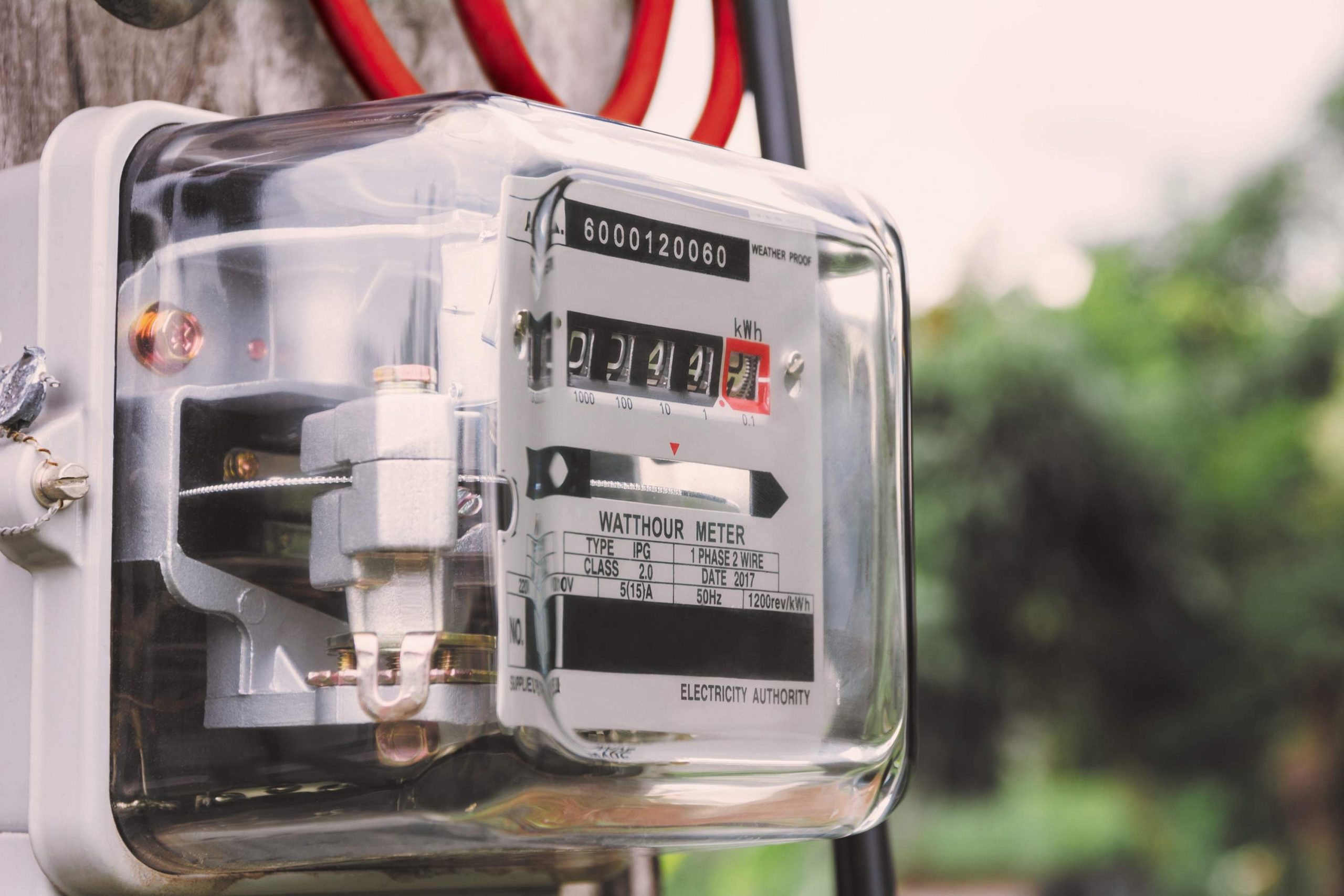
- Digital metering to eliminate manual meter reading and billing errors.
For small water systems, upgrading to predictive maintenance is now easier than ever. And in the energy sector, digital platforms enable complex tasks like:
- Balancing loads and integrating renewables.
- Optimising grid operations.
- Reducing the need for costly physical upgrades.
3. Demand Response & DERs: The Power of Virtual Plants
Imagine aggregating hundreds of small solar panels, batteries, and generators into a “virtual power plant.” That’s the game-changing potential of demand response programs and distributed energy resources (DERs).
By incentivising consumers to reduce usage during peak periods and allowing DER aggregations to participate in energy markets, utilities can:
- Reduce peak capacity requirements by 10-15%, saving millions in infrastructure costs.
- Improve grid resilience with non-wire alternatives, minimising upgrade investments.
- Generate new revenue streams from wholesale market participation.
Regions with high renewable penetration could see system cost savings of up to 20% from DERs and virtual power plants.
4. Innovative Partnerships & Financing: Sharing Risks, Modularising Investments
Large infrastructure projects are notoriously complex and costly. But utility management services are pioneering new partnership and financing models to de-risk investments:
- Public-private partnerships (PPPs) transfer risk to private entities, driving accountability and innovation.
- Performance-based contracts and other alternative funding mechanisms enable large projects without burdening public budgets.
- Modular deployments allow incremental upgrades, spreading out capital expenditures.
Utilities that have adopted modular grid enhancements, such as rolling out smart meters in phases or upgrading sections of the grid one by one, report smoother transitions and significantly lower upfront costs. This approach has proven to be an effective way to modernise infrastructure without the prohibitive costs of a “big bang” upgrade.
Overall, these innovative financing and partnership models have a tangible impact. PPPs in water and energy sectors have consistently demonstrated total project cost reductions of 10-30%, proving that sharing risks and modularising investments is a highly effective strategy for modernising and expanding utility infrastructure.
5. Consolidation & Integration: Streamlining Through Scale
Historically, many cities have operated fragmented utility systems, with different departments managing water, power, waste, and so on. But a wave of consolidations and integration is now yielding major efficiencies:
- Shared services like centralised procurement, billing, and management slash overhead costs.
- Larger customer bases enable better pricing and more efficient resource allocation.
- Integrated utility management systems break down silos to optimise asset utilisation.
A prime example is the trend of water system consolidations. Many smaller, struggling water utilities are merging to expand their rate bases and streamline operations. These merged systems can better afford to invest in crucial upgrades, such as new filtration technology or smart meter deployment, which were previously out of reach.
In fact, merged utility systems are demonstrating administrative cost savings of 25% and an increased capacity to invest in critical upgrades, proving that a unified approach is not just more efficient, but also more resilient.
The Bottom Line: Smarter Management = Major Savings
From asset management to innovative partnerships, the utility sector is deploying utility management services in creative new ways to rein in rising costs. As cities face mounting infrastructure challenges, these five strategies offer a proven roadmap to streamline operations and ensure sustainable service delivery.
IoT-enabled systems are central to this transformation, using real-time data to predict maintenance needs, automate routine tasks, and inform capital planning. By 2025, nearly half of all water utilities plan to install smart meters and upgrade SCADA systems.
For a closer look at how IoT is revolutionising utility operations, check out Airtel IoT Smart Utilities. With industry-leading solutions for advanced metering infrastructure and grid modernisation, Airtel IoT is helping utilities unlock major new efficiencies and cost savings.
As urban infrastructure needs grow more complex and costly, one thing is clear: smarter management isn’t optional—it’s an urgent imperative. The most resilient cities will be those that embrace data-driven utility management services to cut costs, optimise assets, and ensure a sustainable future.