Share
ShareHow IoT Monitoring Platforms Transform Transit Signage in Modern Transportation Hubs
-
 March 15, 2026
 -

 5 min read

Hartsfield-Jackson Atlanta International Airport processes 104 million passengers annually. Each traveller navigates through terminals, gates, and services while digital screens flash departure times, gate changes, and wayfinding instructions. Behind these displays, IoT monitoring platforms orchestrate content delivery across hundreds of screens, reducing perceived wait times by 35%, according to industry data. Similar systems power transit signage networks in Chicago O’Hare, Tokyo’s subway system, and Los Angeles Union Station.



Transportation hubs face unique communication challenges. Passengers need instant updates about delays, platform changes, and navigation assistance. Hub operators must manage crowd flow, generate advertising revenue, and maintain safety standards. Digital signage addresses these requirements through centralised content management, sensor integration, and automated updates. We’ll examine how IoT monitoring platforms enable smart transit signage, the technology stack behind these systems, revenue generation models, and operational benefits for Indian transportation infrastructure.
Understanding Digital Signage Architecture in Transportation Settings
Modern transit signage systems combine display hardware, content management software, and connectivity infrastructure. Airports deploy LED walls at check-in counters, LCD panels at gates, and interactive kiosks throughout terminals. Subway stations use weatherproof displays on platforms, train arrival boards in concourses, and digital maps at entrances.
These displays connect to centralised IoT monitoring platforms through wired or wireless networks. Screenly’s cloud-based system manages content playlists across thousands of screens, rotating between schedules, maps, alerts, and advertisements. The platform pulls data from multiple sources: flight information systems, train tracking databases, weather services, and emergency management centres.
Integration complexity varies by hub size. Dallas/Fort Worth International Airport’s Passenger360® system coordinates multilingual content across terminals, reducing navigation stress for international travellers. Smaller bus terminals might use simpler setups with basic schedule displays and minimal sensor integration.
Sensor Networks and Data Collection
IoT monitoring platforms aggregate information from various sensors throughout transportation facilities. Crowd density monitors track passenger flow at security checkpoints, platforms, and boarding areas. Environmental sensors measure temperature, air quality, and noise levels. Vehicle tracking systems provide arrival predictions and service disruptions.
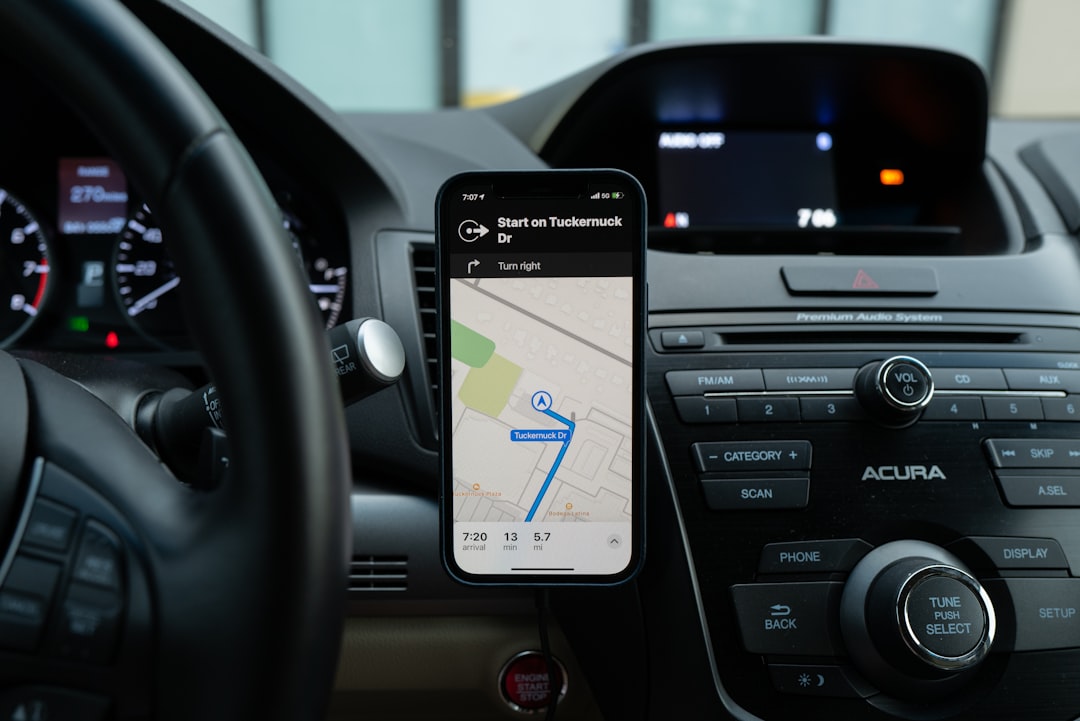
This sensor data feeds into signage systems for dynamic content adjustment. When crowd sensors detect congestion at Platform A, displays redirect passengers to Platform B. Weather sensors trigger storm warnings on outdoor screens. GPS-connected buses update arrival times on station displays.
Tokyo’s railway network exemplifies comprehensive sensor integration. Stations display train positions, passenger loads, and alternative routes during disruptions. The system handles millions of daily commuters through coordinated information delivery.
Revenue Generation Through Smart Advertising
Transportation hubs monetise captive audiences through targeted advertising on digital displays. Chicago O’Hare generates substantial income from screen advertising, with passengers preferring airport displays over internet ads, according to JCDecaux research. Denver International Airport promotes duty-free shops and luxury brands on terminal screens.
Programmatic Advertising Models
Transit signage enables programmatic advertising based on location, time, and demographics. Morning commuters see coffee advertisements. Evening travellers receive hotel promotions. International terminals display currency exchange services. The IoT monitoring platform manages campaign scheduling, impression tracking, and performance analytics.
Statistics show 67% of consumers make purchases influenced by nearby digital signage. Airport retailers report increased foot traffic when promotional content appears on terminal displays. Duty-free shops coordinate campaigns with flight schedules, targeting specific destinations.
Performance Metrics and Analytics
IoT monitoring platforms track engagement metrics for advertising effectiveness. Sensors measure dwell time, how long passengers view specific content. Heat mapping identifies high-attention zones for premium ad placement. Click-through rates on interactive displays quantify direct engagement.
Advision’s analytics tools reveal which announcements capture attention, which wayfinding signs reduce confusion, and which advertisements drive sales. Hub operators use this data to optimise screen placement, content rotation, and pricing strategies.
Revenue-sharing models vary across facilities. Some airports manage advertising internally. Others partner with media companies for content creation and sales. Bus networks might combine municipal funding with commercial sponsorship.
Operational Benefits for Hub Management
Digital signage systems improve crowd management through strategic information delivery. Real-time updates about gate changes prevent passenger clustering at incorrect locations. Platform displays showing train capacity encourage distribution across carriages. Queue time estimates at security help travellers plan movements.
The Federal Transit Administration’s 2024 Strategic Plan includes IoT monitoring platform deployment for traffic control in Los Angeles. Sensors detect bottlenecks, triggering directional signage to alternative routes. During peak hours, displays prioritise essential information over advertising content.
Multilingual support reduces confusion for international travellers. DFW Airport’s system displays content in multiple languages based on flight origins and destinations. Visual icons supplement text for universal comprehension.
Emergency Communication Systems
Transit signage provides critical communication during emergencies. Fire alarms trigger evacuation routes on displays. Security incidents activate lockdown procedures. Medical emergencies direct responders to specific locations.
IoT monitoring platforms automate emergency messaging across entire networks. Manual overrides allow operators to broadcast urgent announcements instantly. Integration with public address systems ensures consistent messaging through visual and audio channels.
Japanese railway stations demonstrate effective emergency response. Earthquake sensors trigger immediate safety instructions on platform displays. Train delays from technical issues appear within minutes, with alternative route suggestions.
Digital Signage During Travel
Digital signage fundamentally changes how transportation hubs communicate with passengers, manage operations, and generate revenue. IoT monitoring platforms centralise control across complex display networks, enabling real-time updates, targeted advertising, and emergency communication. Transit signage reduces perceived wait times, improves navigation, and creates safer travel environments through strategic information delivery.
Indian transportation infrastructure stands to benefit from digital signage adoption. Metro systems, airports, and bus terminals can enhance passenger experiences while generating advertising revenue. Success requires careful planning around legacy integration, network reliability, and scalability requirements.
For transportation operators exploring connected infrastructure solutions, Airtel IoT provides enterprise-grade IoT connectivity with 95% network coverage across India, supporting millions of devices through purpose-built SIMs and the IoTHub management platform. The combination of reliable connectivity and centralised device management enables effective digital signage deployment across transportation networks.