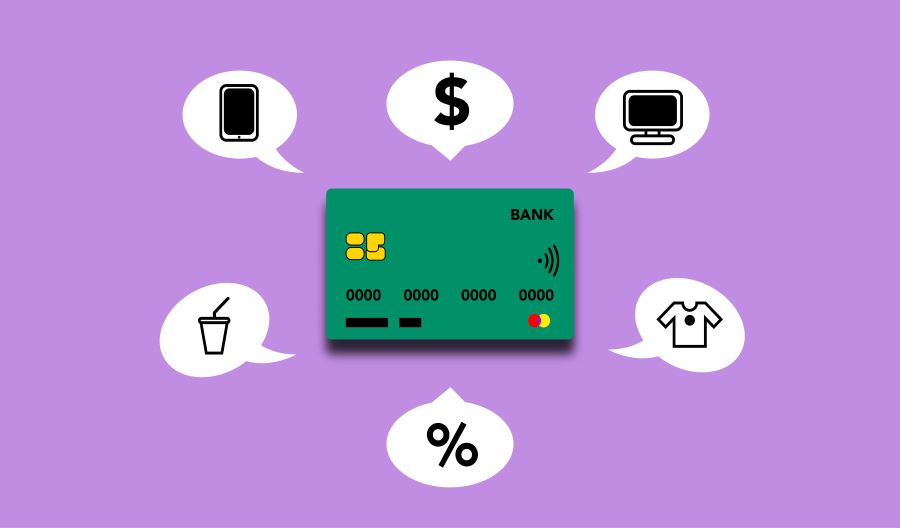
When it comes to making purchases, many people debate the choice of credit card vs debit card. While both serve the purpose of facilitating transactions, credit cards offer several distinct benefits that debit cards simply can’t match. In this article, we’ll explore the key advantages of credit card purchases and why they might be a better choice compared to debit cards.
Building Your Credit History
One of the most significant advantages of using a credit card is the opportunity to build and improve your credit history. By making regular purchases and paying your credit card bills on time, you demonstrate responsible financial behaviour. This positive payment history is reported to credit bureaus, which can help boost your credit score.
A strong credit score is crucial when applying for loans, such as a personal loan or mortgage. It can also impact your ability to rent an apartment, secure a job, or get better insurance rates. Using a credit card responsibly is an effective way to establish and maintain a healthy credit profile.
Rewards and Incentives
One of the standout benefits of credit cards is the ability to earn rewards through their rewards programmes. Many credit cards allow you to earn cashback, points, or miles on your purchases. These rewards can add up quickly, especially if you use your credit card for everyday expenses like groceries, gas, and dining out. Some credit cards even offer bonus rewards in specific categories or for shopping at particular merchants.
For example, let’s say you have a credit card that offers 2% cashback on all purchases. If you spend ₹50,000 per month using your credit card, you could earn ₹1,000 in cashback each month. Over a year, that translates to ₹12,000 in savings just by using your credit card for regular expenses.
The credit card purchase advantages can be even greater if you use your card for travel-related expenses, where rewards might be significantly higher.
Purchase Protection and Fraud Safeguards
One of the advantages of credit cards is that they provide a layer of protection against fraudulent transactions and unauthorised purchases. If your credit card is lost or stolen, you can quickly report it to your card issuer and have the card blocked to prevent further misuse. Most credit card companies offer zero liability protection, meaning you won’t be held responsible for any fraudulent charges made on your card.
In contrast, if your debit card is compromised, the funds are directly withdrawn from your bank account, which can be more difficult to recover. While most banks offer some level of fraud protection for debit cards, the process of getting your money back can be more complicated and time-consuming compared to credit card disputes.
Flexibility in Cash Flow Management
Using a credit card allows you to make purchases now and pay for them later, providing flexibility in managing your cash flow. This can be particularly helpful if you have a large purchase to make but don’t have the immediate funds available. With a credit card, you can spread the cost over several months, making it more manageable.
However, it’s essential to use this feature responsibly and avoid overspending. Treat your credit card as a short-term financing tool, and aim to pay off your balance in full each month to avoid accruing high-interest charges.
Expense Tracking and Budgeting
Another benefit of credit cards is the detailed record-keeping that comes with each statement. Credit card issuers provide detailed reports on your spending, which can be invaluable for tracking your expenses and monitoring your budget. Most issuers even offer mobile apps or online portals to categorise your transactions, set spending limits, and track your overall spending habits.
This level of transparency can help you identify areas where you might be overspending and make necessary adjustments to your budget. By regularly reviewing your credit card statements, you can gain valuable insights into your spending habits and make informed financial decisions.
Limitations of Debit Cards
While debit cards have their place in personal finance, they do have some limitations compared to credit cards. Here are a few key disadvantages of debit cards:
- Limited to Available Funds: Debit cards are directly linked to your bank account, which means you can only spend what you have available. This can be restrictive if you need to make a large purchase or face an unexpected expense.
- No Impact on Credit Score: Unlike credit cards, debit card usage does not contribute to building your credit history. Even if you use your debit card responsibly, it won’t help improve your credit score.
- Fewer Rewards and Perks: Debit cards typically don’t offer the same level of rewards and benefits as credit cards. You may miss out on cashback, points, or other incentives that could save you money in the long run.
Closing Thoughts
In summary, credit cards offer several advantages over debit cards when it comes to making purchases. From building your credit history and earning rewards to providing purchase protection and flexibility in cash flow management, credit cards can be a valuable financial tool when used responsibly.
If you’re considering getting a credit card, it’s essential to compare different options and choose one that aligns with your spending habits and financial goals. Explore the credit card offerings from Airtel Finance through the Airtel Thanks App. Airtel Finance provides you with access to a variety of credit cards with competitive interest rates, attractive rewards, and added features like easy credit score tracking.
By using Airtel Finance to manage your credit card choices, you ensure that you pick the best card for your needs while also staying on top of your financial health. Remember, the key to maximising the benefits of a credit card is to use it wisely. Always pay your bills on time, keep your balances low, and avoid overspending. By doing so, you can enjoy the convenience and perks of using a credit card while building a strong financial foundation.
FAQs
- What is the main difference between a credit card and a debit card?
A credit card allows you to borrow money from the card issuer to make purchases, while a debit card directly draws funds from your linked bank account.
- How does using a credit card help build my credit score?
Credit card usage is reported to credit bureaus. Making timely payments and maintaining low balances demonstrate responsible financial behaviour, which can positively impact your credit score.
- Are there any risks associated with using a credit card?
The main risk is overspending and accumulating high-interest debt. It’s crucial to use credit cards responsibly, stick to a budget, and pay off balances in full each month.
- Can I earn rewards with a debit card?
While some debit cards may offer limited rewards, they are generally not as extensive or valuable as credit card rewards programmes.
- How can I choose the right credit card for my needs?
Consider factors such as your spending habits, desired rewards, interest rates, and annual fees. Compare different card options and read the terms and conditions carefully before applying.