Share
ShareIoT Sensors – Developing Safer, Smarter & Reliable Solutions for Businesses
-
 January 12, 2026
 -

 10 min read
What Are IoT Sensors and How Do They Work?
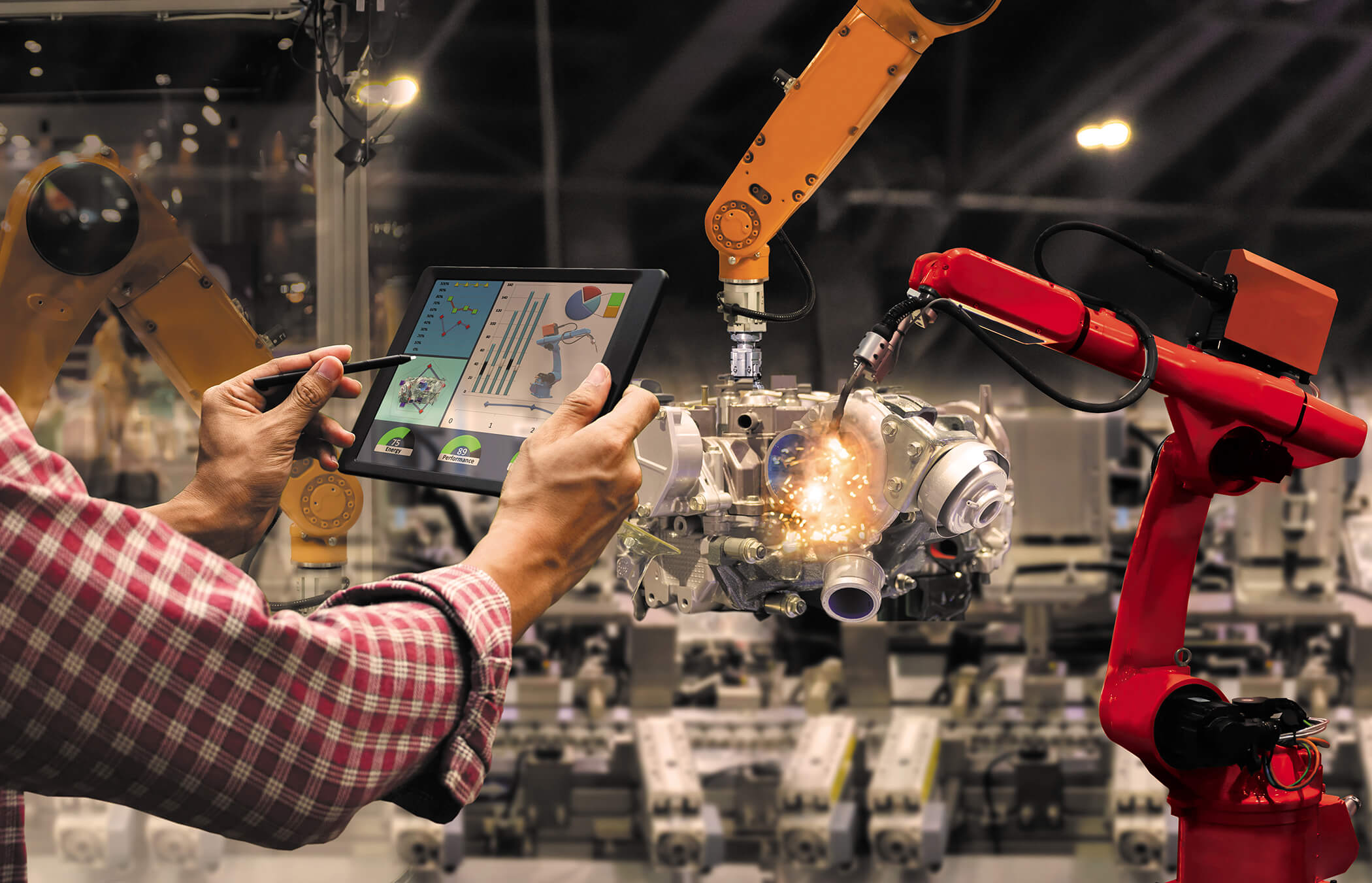
The world runs on data, and IoT sensors make it possible to capture that data from the physical environment and bring it into the digital world. These smart devices measure temperature, motion, light, pressure, and countless other variables to help systems react intelligently. From smart homes to large-scale industrial plants, IoT sensors and actuators create connected ecosystems that improve efficiency, safety, and decision-making.
This article showcases how these sensors function, their types, connectivity options, and the vital role they play in powering modern digital transformation.



Understanding IoT Sensors
The rise of connected technology depends on devices that can detect and communicate real-world changes. This is where IoT sensors come in.
What They Do
IoT sensors are small yet powerful components that capture data from their surroundings and convert it into digital signals for further action. These devices play a vital role in the Internet of Things (IoT) ecosystem, forming the bridge between the physical and digital worlds.
At their core, IoT sensors measure physical conditions such as:
-
Temperature
-
Pressure
-
Light
-
Motion
-
Humidity
-
Gas concentration
They transform these inputs into electrical signals that an IoT device over internet can process and use to perform actions.
These sensors often work alongside IoT sensors and actuators, where sensors gather data, and actuators respond by triggering a physical movement or change, such as turning off a valve or adjusting lighting.
IoT sensors help industries and individuals make decisions based on real-time data. From smart homes to connected factories, their application continues to expand rapidly.
How They Collect & Transmit Data
The process begins with data capture. When a sensor detects a change; say, an increase in temperature, it converts that change into an electrical signal. This signal moves through an IoT sensor network that links devices and systems for seamless data flow.
Most IoT sensors connect through wireless communication technologies such as:
-
NB-IoT (Narrowband IoT)
-
Wi-Fi
-
4G / 5G cellular
-
Bluetooth Low Energy (BLE)
-
LoRaWAN
Once data is captured, it is transmitted to a local gateway or cloud platform. The IoT device over internet then processes and interprets the information for analytics or automated action.
This constant exchange of data forms the backbone of every smart ecosystem; whether a city traffic system or an industrial automation line.
How IoT Sensors Work
IoT sensors operate in three distinct stages. Each step contributes to how devices capture, process, and communicate data efficiently.
Data Acquisition
In this stage, sensors detect a specific physical property, such as temperature, motion, or light. The sensor’s material reacts to environmental changes and generates a voltage or current signal proportional to the measured condition.
Example:
A temperature sensor changes its resistance based on heat levels, converting that variation into a measurable electrical signal.
Data Processing
Once the raw signal is produced, the device’s onboard processor filters and converts it into digital form. Microcontrollers often perform:
-
Signal amplification
-
Noise reduction
-
Calibration
-
Unit conversion
This allows the data to become usable by higher-level systems like cloud dashboards or AI algorithms.
Data Transmission
The final step is communication. The processed digital data travels through the IoT sensor network via wireless or wired protocols. Different sensors use different methods, depending on range and application needs.
|
Communication Type |
Use Case |
Range |
Power Consumption |
|
NB-IoT |
Industrial monitoring |
Long-range |
Very Low |
|
Wi-Fi |
Smart homes |
Medium |
Moderate |
|
Bluetooth |
Wearables |
Short |
Very Low |
|
LoRaWAN |
Agriculture |
Very Long |
Very Low |
|
5G |
Smart cities |
Long |
Low-Moderate |
Technical Sensor Types
IoT technology uses different kinds of sensors based on power needs, data format, and application type. These technical distinctions help decide which sensor best suits a specific use case.
Active vs. Passive Sensors
-
Active Sensors: Require an external power source to operate. They send out a signal and detect how it interacts with the environment.
Example: Radar or ultrasonic sensors. -
Passive Sensors: Do not require external power. They detect energy naturally emitted or reflected from an object.
Example: Thermistors and photodiodes.
Active sensors are used when constant monitoring or precise measurement is required, while passive sensors work well in low-power environments.
Analog vs. Digital Sensors
-
Analog Sensors: Produce a continuous signal proportional to the measured parameter.
Example: Analogue temperature sensors. -
Digital Sensors: Generate discrete signals (0s and 1s) and are easier to integrate with microcontrollers.
Example: Digital humidity sensors.
Digital sensors are now more common in modern IoT sensors due to their accuracy and low error rate.
Industry-Based Sensor Categories
IoT sensors serve diverse industries. Each sector uses tailored devices suited to its operational challenges and data needs.
Smart Homes
Smart homes rely heavily on IoT sensors and actuators to create automated environments.
Common examples include:
-
Motion sensors for intrusion detection
-
Temperature and humidity sensors for climate control
-
Light sensors for energy-efficient lighting
When connected via an IoT device over internet, these sensors enable seamless automation, improving comfort and safety.
Manufacturing & IIoT
In manufacturing, the Industrial Internet of Things (IIoT) uses sensors to track machinery health, detect faults, and boost production quality.
Typical sensor types:
-
Vibration sensors for predictive maintenance
-
Proximity sensors for robotic safety zones
-
Pressure sensors for hydraulic control
These sensors work together in an IoT sensor network, sending real-time operational data to control systems.
Healthcare
IoT sensors support patient monitoring and hospital management. They help in:
-
Tracking vital signs like heart rate and oxygen saturation
-
Managing medication dispensing
-
Monitoring room hygiene through air quality sensors
Connected through an IoT device over internet, healthcare professionals gain immediate insights and can respond faster to patient needs.
Agriculture
Agriculture now depends on smart sensors to boost yield and save resources.
Common examples:
-
Soil moisture sensors for irrigation control
-
Weather sensors for climate monitoring
-
Nutrient sensors for soil quality checks
These data points allow farmers to use water, fertilisers, and energy more effectively.
Smart Cities
Smart cities depend on large IoT sensor networks that track and manage infrastructure.
Applications include:
-
Air quality sensors for pollution control
-
Traffic sensors for congestion management
-
Waste sensors for smart bin monitoring
By collecting and sharing live data, cities improve mobility, safety, and sustainability.
Connectivity Matters
The performance of IoT sensors depends greatly on connectivity. Choosing the right network impacts speed, power usage, and data reliability.
NB-IoT vs. Wi-Fi
|
Parameter |
NB-IoT |
Wi-Fi |
|
Coverage |
Very wide (rural and underground areas) |
Limited (indoor) |
|
Battery Life |
Extremely long (up to 10 years) |
Short (hours to days) |
|
Data Rate |
Low to Medium |
High |
|
Ideal Use |
Industrial, smart cities, agriculture |
Home and office automation |
NB-IoT (Narrowband IoT) is a low-power, wide-area technology built for long-range communication and minimal energy consumption. It performs better than Wi-Fi in industrial settings because:
-
It operates efficiently in remote or underground areas.
-
It consumes very little power.
-
It maintains strong connections across large spaces.
Wi-Fi suits small-scale setups like homes, but NB-IoT dominates in industry-grade IoT deployments.
Range, Battery Life & Coverage
A major advantage of IoT sensors using NB-IoT is extended range and long battery operation.
-
NB-IoT sensors can cover several kilometres without losing signal.
-
They can operate for years without battery replacement.
-
Their penetration through concrete or metal structures makes them reliable for factories and cities.
This makes NB-IoT a practical choice for low-data, wide-spread networks.
When to Use NB-IoT / 4G / 5G
Different connectivity technologies support IoT deployments depending on data needs, coverage, and response time. Selecting the right option helps achieve optimal performance, reliability, and cost efficiency for each application.
|
Technology |
Best for |
Benefits |
|
NB-IoT |
Low-data, remote sensors |
Wide coverage, long life |
|
4G LTE |
Moderate data sensors |
Good speed, established network |
|
5G |
High-speed IoT sensors and actuators |
Ultra-low latency, high bandwidth |
Industries that need real-time control, like robotics or telemedicine, often adopt 5G, while agriculture and utilities prefer NB-IoT for long-range efficiency.
Popular IoT Sensor Types
IoT technology covers a wide range of sensor types, each designed to capture specific environmental or operational data. The choice of sensor depends on what needs to be measured and the environment in which it operates. Below are some of the most widely used IoT sensor categories.
Temperature & Humidity
These sensors control environmental comfort and industrial storage conditions. They are common in:
-
Smart homes
-
Greenhouses
-
Pharmaceutical storage
Motion & Proximity
Motion sensors detect movement, while proximity sensors sense the presence of nearby objects. They play a role in:
-
Security systems
-
Robotics
-
Smart lighting
Pressure & Gas
These sensors are essential for industrial safety. Applications include:
-
Monitoring air or gas pressure in pipelines
-
Detecting toxic gas leaks
-
Maintaining consistent air quality
Light & Imaging
Light sensors detect brightness, while imaging sensors capture visual information. They are used in:
-
Smart streetlights
-
Traffic systems
-
Surveillance devices
Biometric
Biometric sensors identify unique human traits. Common examples include:
-
Fingerprint scanners
-
Heart rate monitors
-
Facial recognition systems
They enhance both security and healthcare innovation.
Key Use Cases
IoT sensors play an essential role across industries by turning raw data into meaningful actions. Their flexibility allows them to fit seamlessly into different environments, from homes and hospitals to farms and factories. Below are some of the most common and impactful applications of IoT sensor technology.
Automation & Smart Homes
IoT sensors manage everything from lighting to energy use. They connect through an IoT device over internet, offering automated comfort and improved safety.
Predictive Maintenance (IIoT)
Factories use vibration and temperature sensors to detect wear and prevent breakdowns. This predictive approach cuts downtime and boosts efficiency.
Remote Health Monitoring
Wearable sensors send patient data directly to doctors. Continuous updates help professionals act swiftly and improve outcomes.
Environmental Tracking
Cities and research groups use sensors to measure pollution, temperature, and humidity. The data helps build healthier and more sustainable environments.
Smart Farming
Farmers rely on connected sensors for soil and weather monitoring. This data-driven approach reduces waste and increases productivity.
Benefits of IoT Sensors
The adoption of IoT sensors delivers measurable advantages across industries by improving productivity, accuracy, and overall operational intelligence.
Real-Time Data
IoT sensors provide live information that drives faster, more informed decisions.
Efficiency Gains
Automated data collection and response systems reduce manual work, save time, and enhance output.
Predictive Maintenance
Monitoring equipment health helps prevent costly downtime and extends machinery lifespan.
Safety & Sustainability
Sensors detect hazards, improve energy use, and promote safer, greener operations.
Airtel Advantage
Airtel empowers businesses to harness the full potential of IoT sensors by offering robust connectivity and intelligent device management solutions designed for scale, reliability, and performance.
NB-IoT & 5G Sensor Connectivity
Airtel’s NB-IoT and 5G networks power reliable communication for IoT sensors across industries. Their solutions support:
-
Long-range, low-power connectivity
-
Massive device deployments
-
Secure data transfer across networks
Airtel IoT Hub for Device Management
The Airtel IoT Hub allows businesses to control, monitor, and analyse sensor data from one central platform. It simplifies:
-
Device provisioning
-
Real-time tracking
-
Connectivity management
Don’t just buy sensors; connect them reliably. Explore Airtel’s NB-IoT and 5G connectivity solutions to power your IoT sensor network with unmatched coverage, low latency, and long battery life.
Connect your sensors with confidence! Explore Airtel’s NB-IoT & 5G solutions today.