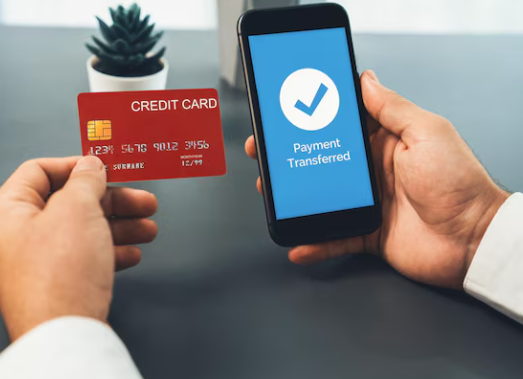
| Overview: This guide explains how to transfer money from a credit card to a bank account in India. It covers common methods, fees, timelines, risks, and credit score impact. You will also learn practical tips, alternatives to transfers, and ways to manage short-term cash needs responsibly. |
How to Transfer Money from Credit Card to Bank in India Using Credit Card Cash Transfer | Full Guide
Credit card use in India is growing fast. As of 2025, there are over 110 million active credit cards in circulation, even though only about 4–5% of the population currently holds one. This rise reflects greater reliance on plastic money for daily spending and unexpected needs.
Imagine you face an urgent bill but have no cash in hand. In such times, a credit card to bank transfer can provide quick access to funds. Some also seek emergency cash from credit card options when savings run low.
This blog covers common transfer methods, main benefits and key risks. You will learn how to act wisely and avoid high costs in urgent cash situations.
TL;DR / Quick Summary
- This quick credit card transfer guide explains how to move funds when cash is urgent
- Common credit card withdrawal methods include wallets, payment apps, and cash advances
Main methods
- Wallet transfer to bank
- Pros: Fast processing, simple steps
- Cons: Platform fees, limits
- Cash advance
- Pros: Instant access
- Cons: High charges, daily interest
- Third-party transfer services
- Pros: Flexible options
- Cons: Risk of hidden costs
Key considerations
- Fees vary by bank and platform
- Interest starts immediately
- Frequent use affects credit score
Money Transfer Credit Cards
A money transfer credit card allows cardholders to move a portion of their credit limit to a bank account. In India, Axis Bank provides this feature on selected cards, including the Airtel Axis Bank Credit Card.
Step-by-step process
- Log in to the mobile app or net banking
- Open the credit card services section
- Choose the money transfer or cash service option
- Enter your registered bank account details
- Select the transfer amount within the eligible limit
- Check the charges displayed on screen
- Confirm the request
Promo APR examples
- Some users may receive short-term deals such as a 0% APR credit transfer for a limited period
- Interest applies once the promotional window ends
Fees and calculators
- Processing fees usually range between 2% and 3%
- GST is added to the fee
- In-app calculators show the final payable amount
Disclaimers
- Transfer options depend on bank approval
- Charges and offers vary by user profile
- Terms may change at any time
Review all details before proceeding.
Cash Advances
A credit card cash advance lets you withdraw cash directly from an ATM using your card. This option works when digital transfers are unavailable, but it carries high costs.
ATM withdrawal process
- Insert your card at a supported ATM
- Enter your credit card PIN
- Select the cash withdrawal option
- Choose the amount within your cash limit
- Collect cash and receipt

Fees and charges
- Cash advance fee: usually 2.5%–3% of the amount
- GST applies on the fee
- Interest starts from the withdrawal date
- No interest-free period applies
Repayment example
- ₹10,000 withdrawn
- ₹300 fee plus GST charged upfront
- Daily interest adds up until full repayment
Pros
- Instant access to cash
- Works nationwide at major ATMs
Cons
- High interest rates
- Extra fees increase total cost
- Negative credit score impact if balances remain unpaid
Using ATM cash from credit cards should remain a last-resort option. Frequent use raises debt levels and may lower your credit score over time.
| Mistakes to Avoid: Withdrawing cash repeatedly, paying only minimum dues, and ignoring utilisation limits quickly increase interest burden and credit risk. |
Balance Transfer Cheques
A balance transfer cheque allows you to move credit card funds into your bank account using a physical or digital cheque issued by the card issuer. Banks often provide these cheques during promotional campaigns.
Cheque deposit steps
- Receive the cheque from your card provider
- Write the cheque in your name
- Deposit it into your bank account
- Wait for clearance, usually two to five working days
Promotional periods
- Some banks offer low-interest or fixed-rate deals for a limited time
- Processing fees are usually lower than cash advances
- Interest applies after the promo period ends
Tax implications
- The transferred amount is treated as a loan, not income
- No direct tax applies, but interest paid is not tax-deductible
Key cautions
- High usage increases credit utilisation
- Elevated utilisation can reduce credit scores
- Delayed repayment leads to higher interest costs
Advantages
- Lower fees than cash withdrawal
- Better cost control for short-term needs
A credit card cheque transfer suits planned expenses, not frequent use.
Third-Party Money Transfer Services
A third-party credit card transfer uses external platforms to move funds from a credit card to a bank account or wallet. These services act as intermediaries and suit users who need flexible options.
Popular services
- Western Union
- Select digital wallets and payment gateways available in India
Pros
- Fast processing in many cases
- Works across banks and cards
- Useful when bank tools are unavailable
Cons
- Higher service fees than bank transfers
- Exchange rate margins may apply
- Limited support for direct bank deposits
Fees and rates
- Charges vary by platform and card type
- Cross-border transfers add conversion costs
Security tips
- Use verified platforms only
- Avoid sharing card details on public networks
- Review transaction alerts regularly
Alternatives
- Bank-led transfers
- Wallet-based methods
Use verified platforms and follow fraud protection tips before sharing details.
Considerations When Transferring Money
Before moving funds, review the given key factors that affect cost and long-term finances. These credit card transfer considerations help reduce risk and control your debt with ease. Here is what you must know.
- Credit utilisation
- High balances raise utilisation ratios
- Ratios above 30% often pressure scores
- Use online utilisation calculators to model outcomes
- Interest and fees
- Transfers may start interest immediately
- Processing fees add to the principal
- Compare total payable amounts across methods
- Repayment planning
- Set a clear payoff timeline
- Prioritise high-interest balances first
- Automate payments to avoid delays
- Limits and eligibility
- Cash and transfer limits differ by card
- Banks may restrict frequency and amounts
- Check app dashboards before initiating
- Long-term effects
- Repeated transfers signal financial stress
- Late payments increase penalties
- The credit score impact can last months
- Tools and resources
- Use EMI calculators to estimate monthly outgo
- Track statements weekly for accuracy
| Facts You Must Know: Credit card transfers are loans, not income, but poor repayment behaviour can impact credit reports for several months. |
Airtel Finance: Your Partner in Money Transfers
Airtel Finance brings digital financial tools and products to your fingertips through the Airtel Thanks app finance platform. You can apply for an Airtel Axis Bank credit card, view rewards, and track spending all in one place. Managing cashback and other benefits from Airtel credit card transfers is easier when you use the app to check balances and alerts before moving money.
Practical tips include linking your bank account in the app, setting up transaction alerts to watch fees, and using in-app calculators to compare costs before you transfer or withdraw. Many users share positive feedback on the app’s simplicity and the cashback value on everyday spends such as bill payments or recharges.
Always check offers inside the app as rewards and terms can change over time.
Use Credit Strategically, Not Reactively
Credit card transfers work best as short-term tools, not regular solutions. Always compare total costs, interest start dates, and repayment capacity before moving funds. In many cases, adjusting expenses, using savings, or opting for structured loans can reduce pressure.
Following best credit card transfer practices keeps credit usage balanced and limits long-term impact. To avoid credit card debt, track spending closely and plan repayments early. Airtel Finance supports this approach by helping users view cards, rewards, and transactions in one place.
Use the Airtel Thanks App to review your credit activity and plan smarter money decisions.
Frequently Asked Questions (FAQs)
Below are practical credit card transfer FAQs to help you make informed decisions quickly.
1. Can I transfer money from my credit card to my bank account in India?
Yes, Indian banks allow transfers via apps, cheques, wallets, and cash advances, depending on card type, limits, approval.
2. What are the different methods to transfer money from a credit card to a bank account?
Methods include bank transfers, balance transfer cheques, ATM withdrawals, and third-party platforms, varying by cost, speed, risk levels.
3. What fees are involved in transferring money from a credit card to a bank account?
Fees include processing charges, GST, interest from day one; cash advance fees in India make ATM withdrawals costly.
4. How long does it take for the money to transfer from a credit card to a bank account?
Transfers take instant to five working days; app methods are fastest, cheques slower, delays from checks, holidays, verification.
5. Does transferring money from a credit card affect my credit score?
Yes, high balances raise utilisation, missed payments hurt scores; frequent transfers signal risk, timely repayments protect profiles better.
6. Are there any taxes on credit card to bank transfers in India?
No direct tax applies; transfers are loans, not income, interest nondeductible; keep records, seek advice if business-related usage.
7. What is the maximum limit for transferring money from a credit card?
Limits depend on card policy and available credit; banks cap portions, cash limits lower than retail limits today.
8. Is it safe to transfer money from a credit card to a bank account online?
Yes, use official bank apps, secure networks, alerts; avoid sharing details, exercise caution with third-party services online transactions.