Overview:
This article explains what a Visa credit card is, how it functions through the global Visa network, and its key features like global acceptance, rewards, and security. It also covers the different types of Visa cards, eligibility criteria, required documents, application steps, and tips for responsible card management.
If you’ve ever wondered what is a Visa credit card and how it works, the answer is simpler than it seems. A Visa credit card is a bank‑issued payment tool that lets you make purchases now and repay later, often with interest. It connects you to the global Visa network, enabling secure transactions almost anywhere. This guide covers the key Visa credit card features, types, eligibility, and application steps; everything you need to make a confident choice.
How Visa Credit Cards Function
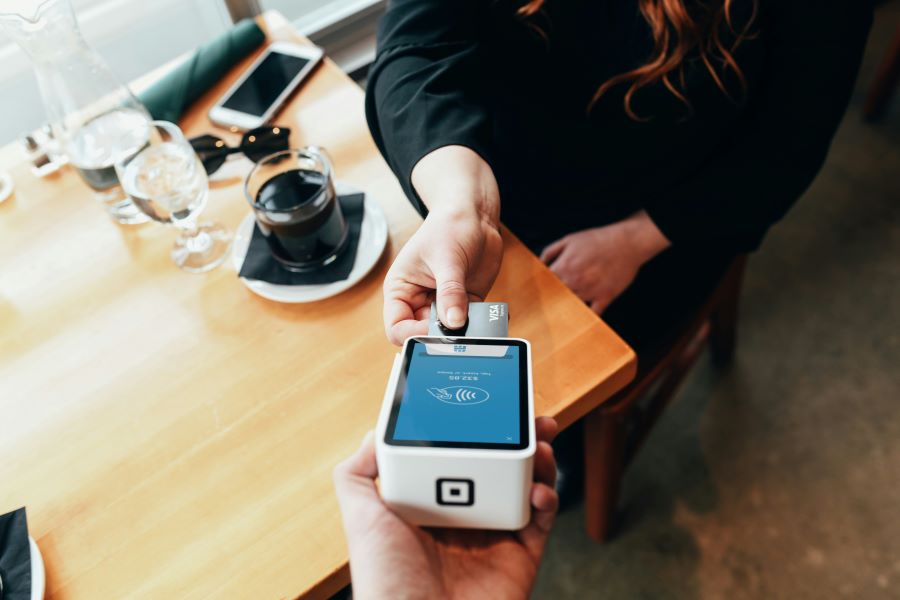
A Visa credit card lets you borrow funds from the issuing bank up to a set credit limit. At its simplest, what is a Visa credit card? It’s a card that runs on the Visa network, giving you the freedom to pay now and settle later. When you make a purchase, the merchant sends the transaction details through the Visa network to your bank. The bank approves the transaction and pays the merchant, and you repay the borrowed amount later.
Still not sure how Visa credit cards work day‑to‑day? Think of the card as a short‑term loan; interest is charged only if you don’t clear the full balance each month.
Understanding the Visa Payment Network
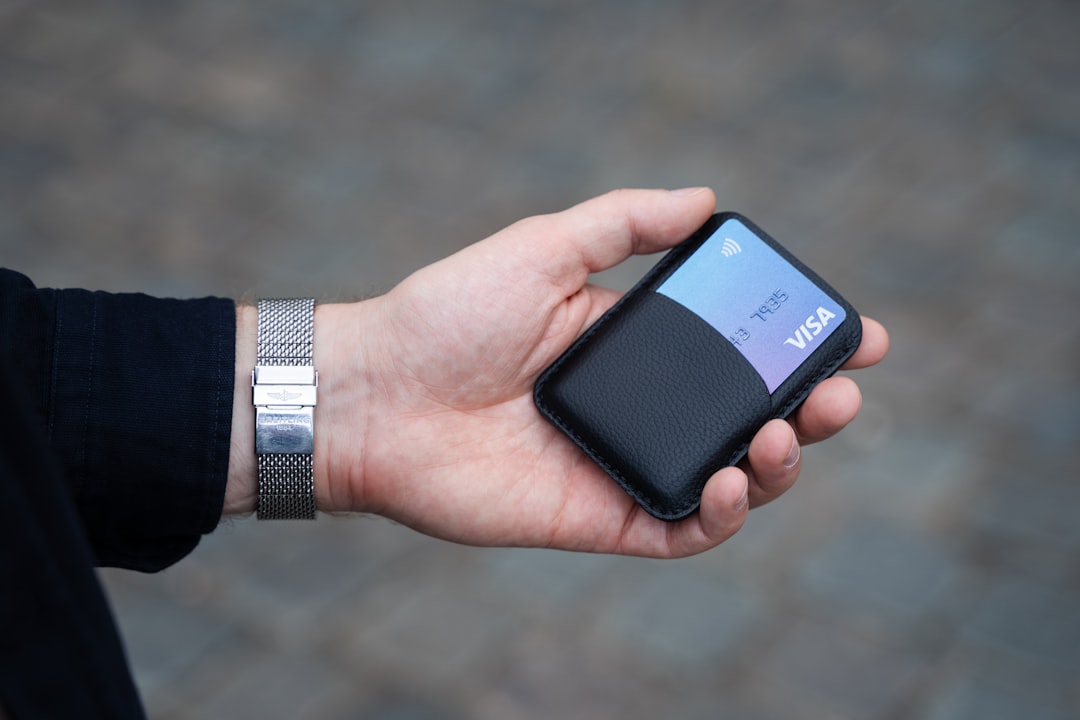
The Visa payment network is a global system operated by Visa that connects banks, merchants, and cardholders. When you see the Visa logo on your card, it means your card operates on this network. The Visa credit card meaning goes beyond plastic. It represents your access key to millions of merchants worldwide, both online and in‑store.
Credit Limits and Interest Rates
Every Visa credit card carries a credit limit (the maximum you can borrow) set by the issuing bank based on your income, credit score, and repayment history. Staying within your limit and paying bills on time strengthens your credit card eligibility for future products. Interest rates vary by bank and card type. If you don’t repay the full balance each month, interest applies on the outstanding amount. Paying your bill in full by the due date is the simplest way to avoid interest charges and maintain a strong credit standing.
Features and Benefits of Visa Credit Cards
Visa credit cards deliver multiple Visa credit card benefits that make everyday spending more rewarding. Here are the standout advantages you can enjoy.
Global Acceptance
One of the greatest Visa credit card benefits is worldwide acceptance. Whether you’re shopping online, dining out, or travelling abroad, you can use your Visa card without hassle. What is a Visa card if not a universally recognised payment tool? Its network reaches millions of merchants, making it convenient for both domestic and international purchases.
Rewards and Perks
Many Visa cards include rewards programmes that earn you points, cashback, or air miles on every purchase. These Visa credit card features turn routine spending into tangible value. Premium cards often add exclusive perks like airport lounge access or travel insurance, further enhancing the Visa credit card benefits.
Enhanced Security
Visa credit cards incorporate advanced security features to safeguard your transactions. Key protections include:
EMV chip technology – Encrypts transaction data, making counterfeiting extremely difficult.
Zero liability protection – You won’t be held responsible for unauthorised charges if your card is lost or stolen.
24/7 fraud monitoring – Visa’s systems detect suspicious activity and alert you promptly.
These measures give you peace of mind every time you use your card.
Building Credit History
Using a Visa credit card responsibly can build a solid credit history. Timely payments and keeping your credit utilisation low improve your credit score over time. Does a Visa credit card help build credit history? Absolutely. It’s one of the most effective ways to demonstrate creditworthiness. A higher score often leads to better loan terms and expanded credit card eligibility.
Types of Visa Credit Cards
Visa offers a range of Visa credit card types to suit different spending habits and income levels. Common categories include:
- Visa Classic – A no‑frills card for everyday purchases with standard security.
- Visa Gold – Provides a higher credit limit and enhanced reward rates compared to Classic.
- Visa Platinum – Targets frequent spenders with premium perks like travel insurance and concierge services.
- Co‑branded Visa Cards – Issued with airline, hotel, or retail partners, delivering brand‑specific rewards.
When choosing a card, consider your lifestyle and compare the Visa credit card features of each type. The right Visa card can align perfectly with your financial goals.
Eligibility for Visa credit card
To qualify for a Visa credit card, you generally need to meet these Visa credit card eligibility criteria:
- Age between 18 and 65 years
- Stable income source (salaried or self‑employed)
- Indian residency
- A credit score of 700 or above (varies by bank)
- Good repayment history
While specific requirements like Axis Bank credit card eligibility may have unique thresholds, most issuers evaluate your income, employment stability, and existing debt. Meeting these standards improves your chances of approval and helps you secure better credit card eligibility.
Documents required to apply for Visa credit card
Submitting the right credit card documents simplifies the application process. Commonly required credit card documents include identity proof (Aadhaar or PAN), address proof, income proof (salary slips or ITR), and a passport‑size photograph. Some banks may also ask for Form 60 if PAN is not available.
Applying for a Visa Credit Card
Applying for a Visa credit card is simple. Follow these steps:
- Check your eligibility – Confirm the credit card eligibility criteria like age and income.
- Gather documents – Have your identity, address, and income proofs ready.
- Apply – Submit your application online or at a bank branch.
- Wait for approval – The bank reviews your details and, if approved, sends your card.
For a rewarding option, consider the Airtel Axis Bank Credit Card, which delivers up to 25% cashback* on recharges and bill payments. Visit the Airtel Finance page and use the Airtel App to check your credit score for free.
How to Manage a Visa Credit Card
Managing your Visa credit card well protects your finances and credit score. Here are key practices to follow:
- Pay bills on time – Timely payments are the foundation of good credit. Set up auto‑pay or calendar reminders so you never miss a due date.
- Keep credit utilisation low – Aim to use under 30% of your total credit limit; high usage signals risk to lenders.
- Review statements – Scan monthly statements for unfamiliar charges and report discrepancies immediately.
- Redeem rewards – Cashback and points often have expiry dates. Use them before they lapse for maximum value.
- Avoid cash advances – Withdrawing cash using a credit card attracts high fees and daily interest; rely on it only in genuine emergencies.
Sticking to these habits helps you fully enjoy the Visa credit card benefits without taking on the stress of debts.
Summing Up
Visa credit cards are a versatile financial instrument offering security, worldwide acceptance, and attractive rewards. By now you know what a Visa credit card is; a bank‑issued card on the Visa network that lets you borrow and pay later.
Choosing among the various Visa credit card types depends on your spending habits and goals. Features like EMV chips, zero‑liability protection, and 24/7 monitoring ensure safe transactions. Responsibly using your card, paying on time, and keeping utilisation low helps build a strong credit history, which can improve credit card eligibility for future loans. If you’re considering applying, the Airtel Axis Bank Credit Card is a compelling option, delivering up to 25% cashback* on recharges and bill payments. The Airtel Axis Bank Rupay Credit Card offers similar benefits on the Rupay network. Download the Airtel App to get your free credit score and explore these cards. Embrace the convenience and rewards that a Visa credit card brings to your wallet.
(*Terms and conditions apply)
FAQs
What is the difference between a Visa credit card and a debit card?
A Visa credit card lets you borrow money from the bank and pay later, whereas a debit card directly deducts funds from your own bank account.
Can I use my Visa credit card internationally?
Yes, Visa credit cards are accepted worldwide. It’s wise to inform your bank in advance about your travel plans to avoid any declined transactions.
How can I increase my Visa credit card limit?
You can request a limit increase from your issuing bank. They will review your repayment history, income, and credit score before approving.
What should I do if my Visa credit card is lost or stolen?
Contact your issuing bank immediately to block the card. They will quickly deactivate it and send a replacement to stop any unauthorised transactions.
How does the Visa rewards programme work?
Visa rewards programmes differ by issuer. Typically, you earn points, cashback, or air miles on purchases. You can redeem these for travel, merchandise, gift cards, or statement credits.
How does a Visa credit card payment process work?
The merchant’s bank sends a request through Visa to your bank for authorisation; if approved, the transaction completes and is settled later.
Can I convert Visa credit card purchases into EMIs?
Yes, many banks allow you to convert eligible large purchases into EMIs post‑transaction, subject to terms.