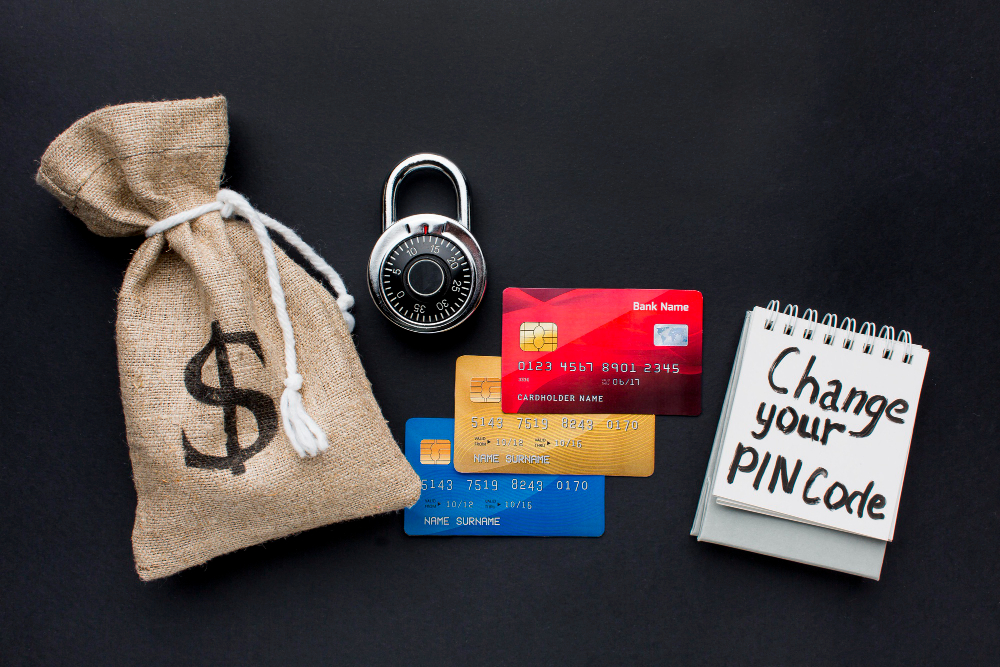
| Overview: AI technology is revolutionising credit card fraud detection, saving Indian banks an estimated ₹3,000 crore annually. Using advanced pattern recognition and real-time analysis, AI systems now identify suspicious transactions with 99.1% accuracy—a vast improvement over traditional methods. |
The Growing Threat of Credit Card Fraud in India
Credit card fraud has reached alarming levels in India. According to RBI data, Indians lost over ₹1,200 crore to credit card fraud in 2023-24 alone, with digital payment fraud increasing by 28% year-on-year. Traditional fraud detection systems simply cannot keep pace with increasingly sophisticated scammers. Real-time AI-driven monitoring and customer education are now essential.
How AI Transforms Fraud Detection Systems
AI-powered fraud detection represents a quantum leap over traditional rule-based systems. Here’s how these sophisticated technologies work:
Pattern Recognition And Anomaly Detection
AI systems analyse billions of transactions to establish normal patterns for each cardholder. When a transaction deviates from these patterns, the system flags it for review. For example, if you typically shop at local stores in Delhi but suddenly make purchases in Bali, the AI flags this geographical anomaly.
Machine learning for fraud prevention continuously improves by analysing both successful and unsuccessful fraud attempts. Unlike traditional systems that follow static rules, AI adapts to new fraud techniques in real-time.
| Pro Tip: Enable transaction alerts on your credit card to receive immediate notifications when AI detects suspicious activity. |
Real-Time Decision Making
Traditional fraud detection often works in batches, reviewing transactions hours after they occur. Modern AI systems operate in milliseconds:
- Transaction initiated (0.001 seconds).
- AI analyses 200+ risk factors (0.1 seconds).
- Decision made to approve, decline, or verify (0.5 seconds).
- Customer notified if verification needed (1 second).
This speed is crucial, as 98% of fraudulent transactions are completed before victims become aware of the theft.
Behavioural Biometrics
Beyond transaction patterns, advanced AI systems analyse how you interact with your devices:
| Behavioural Factor | What AI Detects | Fraud Indicator |
| Typing Patterns | Speed, rhythm, pressure | Sudden changes in typing style |
| Device Handling | How you hold/move your phone | Unfamiliar handling patterns |
| Navigation Style | How you browse banking apps | Unusual navigation paths |
| Transaction Timing | When you typically make purchases | Transactions at unusual hours |
These subtle patterns are uniquely yours, making them nearly impossible for fraudsters to replicate.
Machine Learning For Fraud Prevention: Key Technologies
Machine learning models form the backbone of modern fraud detection systems, employing several specialised approaches:
Supervised Learning
This approach uses historical transaction data labelled as ‘fraudulent’ or ‘legitimate’ to train AI models. The system learns to distinguish between normal and suspicious patterns based on these examples.
For instance, if fraudsters typically make small test transactions before larger fraudulent ones, the AI recognises this sequence. When HDFC Bank implemented supervised learning models in 2023, they reduced fraud losses by 43% within six months.
Unsupervised Learning
Unlike supervised learning, these models identify unusual patterns without prior examples. They excel at detecting entirely new fraud techniques that haven’t been seen before.
| Did You Know: Unsupervised learning models detected the massive 2023 card skimming operation at several Indian petrol pumps before any fraud reports were filed, preventing an estimated ₹28 crore in potential losses. |
Deep Learning Networks
These sophisticated neural networks are effective at detecting subtle fraud indicators that might seem unrelated:
- Device fingerprinting (browser type, screen resolution)
- IP address analysis
- Transaction velocity (frequency of purchases)
- Merchant risk scoring
- Time-of-day patterns
The future of fraud detection in banking increasingly relies on these deep learning networks, which can process vast datasets from multiple sources simultaneously.

Benefits of AI Fraud Detection for Indian Consumers
The integration of AI in credit card fraud detection offers several tangible benefits for Indian cardholders:
Reduced False Declines
Traditional systems often decline legitimate transactions when they appear unusual. This creates frustration for travellers and online shoppers. AI systems reduce false declines by 80%, according to a 2024 NPCI study.
Imagine planning a surprise anniversary gift for your spouse, only to have your card declined because the purchase pattern seems unusual. Modern AI systems understand context better, reducing such inconveniences while maintaining security.
Personalised Protection
AI tailors fraud detection to your individual habits rather than applying one-size-fits-all rules. The Airtel Thanks App uses this approach to provide personalised security that adapts to your unique spending patterns, creating fewer disruptions while maintaining vigilance.
Immediate Fraud Alerts
When suspicious activity occurs, AI systems send instant alerts through multiple channels:
- SMS notifications
- App push notifications
- Email alerts
- Automated phone calls for high-risk transactions
This multi-channel approach ensures you’re promptly informed, even if you’re not actively checking your phone.
The Future of Fraud Detection in Banking
As we look ahead, several emerging trends will shape how AI protects cardholders:
Collaborative AI Systems
Banks are increasingly sharing anonymised fraud data through secure networks. This collaborative approach helps AI systems identify fraud patterns across multiple institutions, creating a more robust defence against organised crime networks.
Quantum Computing Applications
Though still emerging, quantum computing promises to revolutionise fraud detection by processing complex encryption algorithms instantaneously. Major Indian banks are already investing in quantum-ready security protocols.
Voice Authentication Integration
Voice biometrics are becoming an additional security layer for telephone banking and high-value transactions. Your voice contains over 100 unique identifiers that AI can analyse in seconds, making it extremely difficult for fraudsters to impersonate you.
For consumers looking to maximise their security, checking your credit score regularly can help you spot potential identity theft early, complementing the protection offered by AI systems.
Summing Up
AI in credit card fraud detection represents a significant leap forward in financial security. By leveraging machine learning for fraud prevention, banks can now identify suspicious activities with unprecedented accuracy while minimising disruptions to legitimate transactions.
As fraudsters develop new techniques, the self-learning nature of AI ensures protection systems stay ahead of emerging threats. Consider exploring AI-powered security features offered through Airtel Finance to enhance your financial protection and enjoy secure, hassle-free transactions wherever you go.
FAQs
1. How does AI in credit card fraud detection differ from traditional methods?
AI analyses hundreds of variables simultaneously and learns from each transaction, unlike traditional rule-based systems that follow fixed parameters and struggle with evolving fraud techniques.
2. Can machine learning for fraud prevention reduce false declines?
Yes, machine learning reduces false declines by up to 80% by understanding individual spending patterns and contextual factors rather than applying blanket rules to all transactions.
3. How quickly can AI detect fraudulent transactions?
Modern AI systems evaluate transactions in milliseconds, often detecting and blocking fraud before the transaction is completed, compared to traditional systems that might take hours.
4. Does the future of fraud detection in banking include biometric verification?
Advanced biometrics, including fingerprints, facial recognition, voice patterns, and even behavioral biometrics, are becoming central to next-generation fraud prevention.
5. How is my spending data used by AI fraud detection systems?
Your anonymised transaction data helps AI establish your normal spending patterns, including preferred merchants, typical transaction amounts, geographic locations, and purchase timing.