Share
ShareFleet Tracking Systems: How the GPS Vehicle Tracking Device Became an Intelligent Mobility Platform
-
 April 12, 2026
 -

 7 min read

Indian logistics and transport companies manage over 12 million commercial vehicles, yet fleet telematics penetration sits at just 5%. For operations heads, IT managers, and CXOs wrestling with fuel costs, vehicle downtime, and compliance deadlines, that gap represents both a problem and a massive opportunity. This article breaks down how fleet tracking has shifted from basic location pings to full-scale mobility intelligence and what that means for your business decisions.
A single unplanned truck breakdown on the Mumbai-Delhi corridor can cost a logistics operator ₹15,000–₹25,000 per day in delays, penalties, and idle labour. Multiply that across a fleet of 500 vehicles, and downtime becomes a boardroom problem, not just a workshop one.



That’s precisely why fleet tracking has moved far beyond a red dot on a map. This piece walks you through the technology shift, from hardware basics to AI-driven platforms, the Indian regulatory push under AIS-140, predictive maintenance gains, and what to consider when choosing a GPS vehicle tracking device for your operations.
How Did Fleet Tracking Evolve From Simple GPS to Intelligent Platforms?
Fleet tracking started as straightforward location monitoring. A device in the vehicle pinged satellite coordinates to a server. A dispatcher saw where the truck was. That was about it.
The shift happened in three distinct phases:
|
Phase |
Era |
Capability |
Data Used |
|---|---|---|---|
|
Phase 1 |
2005–2012 |
Basic location tracking |
GPS coordinates only |
|
Phase 2 |
2013–2019 |
Telematics with diagnostics |
GPS + OBD-II engine data + fuel sensors |
|
Phase 3 |
2020–Present |
Intelligent mobility platforms |
GPS + engine logs + driver behaviour + route analytics + maintenance signals |
According to Global Market Insights, the global fleet management market stood at USD 27 billion in 2025 and is expected to reach USD 122.3 billion by 2035, a CAGR of 16.9%. That growth isn’t about selling more hardware. It’s about the software and intelligence layer built on top of it.
From Location Pings to Decision Support
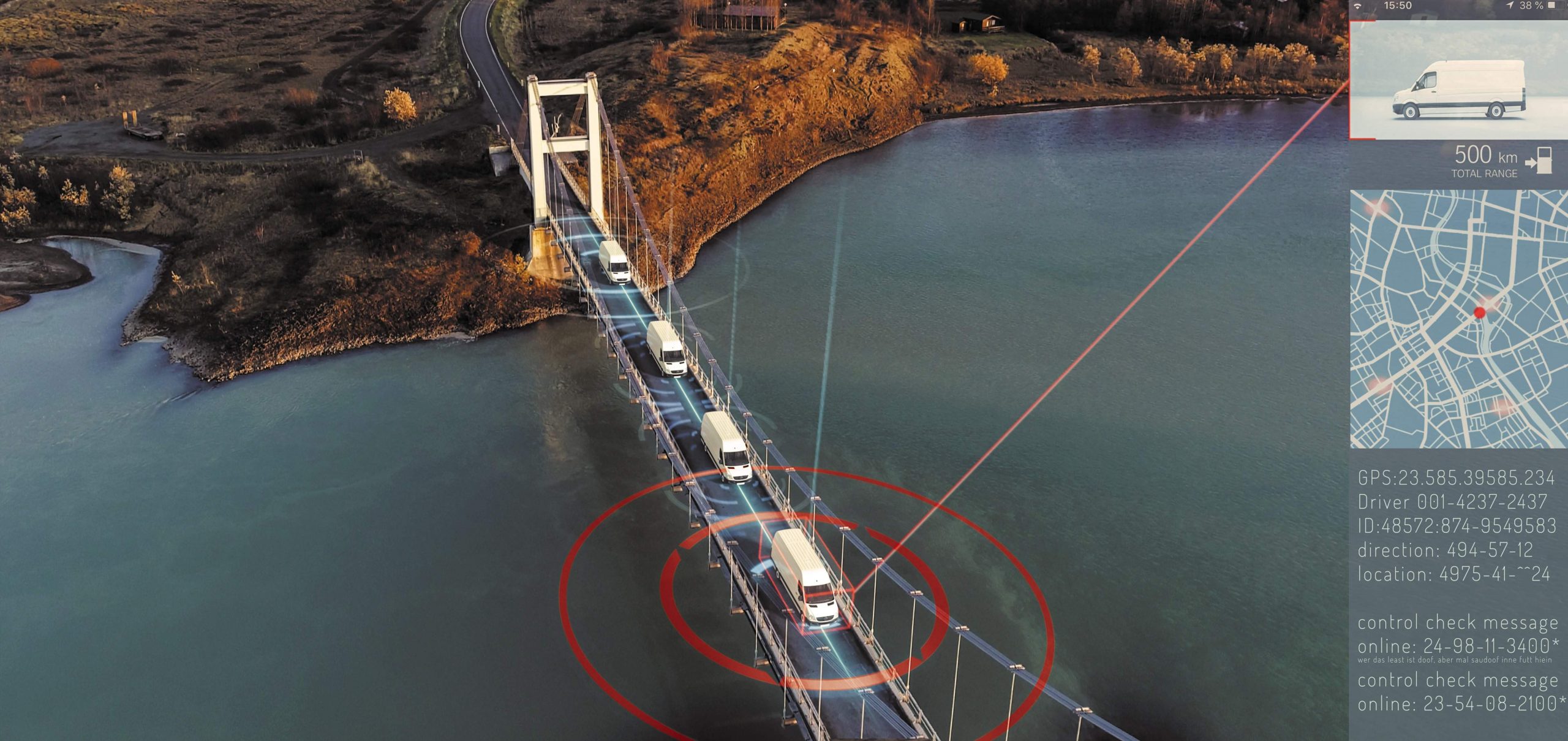
A modern GPS vehicle tracking device combines a GPS receiver, an accelerometer, an engine interface unit, a SIM card, and an input/output port for external connectivity. But the real value lies in what happens after data leaves the device.
Machine learning models now analyse telematics data, fuel usage, idling patterns, and harsh braking events to flag inefficiencies and reduce operating costs. GPS data is just the starting point; with the right platform, it feeds into route correction, driver coaching workflows, and maintenance scheduling.
The Indian Opportunity
Here’s a striking number: approximately 95% of India’s fleet management market remains untapped. Penetration is roughly 5%, and 80% of tracking hardware is imported from China, with very few domestic manufacturers. Commercial vehicles account for 66% of total telematics adoption, largely because CV operators and logistics players see the most direct productivity gains from fleet tracking data.
McKinsey estimates the global telematics industry could grow to USD 750 billion by 2030. India’s connected truck telematics segment is already the fastest-growing market worldwide, a fact that should matter to any fleet operator still relying on phone calls and manual logbooks.
What Core Technologies Power a Modern GPS Vehicle Tracking Device?
A GPS vehicle tracking device isn’t a single gadget anymore. It’s a stack of hardware, connectivity, and software working together. Here’s what that stack looks like:
-
OBD-II devices: Plug into the vehicle’s on-board diagnostics port. Self-installed in minutes. They provide location tracking, journey history, geofencing, odometer readings, and maintenance alerts. This is the least intrusive option with no permanent wiring and no vehicle downtime during installation.
-
CAN bus devices: Hardwired into the vehicle’s controller area network, providing deeper data access such as engine RPM, coolant temperature and transmission status.
-
Telematics Control Units (TCUs): Full-featured computers with a processor, onboard memory, and a GNSS receiver connecting to satellite constellations like GPS and GLONASS for metre-level positioning accuracy.
-
Dashcams with AI: Multi-camera setups using computer vision to detect risky behaviours, phone use, tailgating and drowsiness. One major platform launched in March 2025 uses this approach to auto-generate driver coaching workflows.
Connectivity: Why It Matters More Than You Think
Fleet tracking hardware is only as good as the network carrying its data. Modern devices use a mix of cellular (2G, 4G, 5G) and satellite connectivity. GSM-based tracking offers a cost-effective alternative to GPS-only devices, roughly 3x more affordable, while still providing reliable asset monitoring across India’s varied terrain.
5G pushes latency from 50–100 milliseconds down to under 10 milliseconds, with 100x more bandwidth and support for millions of simultaneous device connections. Edge computing processes data at or near the vehicle, cutting cloud round-trip latency from 50–100 ms to 1–5 ms and reducing cellular data costs by 60–80%.
For safety-critical applications like collision warnings and emergency braking signals, those milliseconds are the difference between an alert that arrives in time and one that doesn’t.
Why Does India’s AIS-140 Mandate Matter for Your Fleet?
AIS-140 (Automotive Industry Standard 140) is a technical regulation developed under the Ministry of Road Transport and Highways (MoRTH) and standardised through the Automotive Research Association of India (ARAI). It’s not optional guidance. It’s a national vehicle safety compliance framework.
What AIS-140 Requires
Every commercial vehicle must be equipped with:
-
A vehicle location tracking device
-
An emergency button
-
A one-way communication system
-
eUICC-compliant tracking devices (embedded SIM technology)
MoRTH enforced fresh updates under AIS-140 in 2025, with stricter deadlines and deeper integration with state transport authorities. The goal: make Indian roads safer through GPS-based tracking, emergency protocols, and digital accountability for every commercial vehicle on the road.
Business Implications
If you run a fleet of commercial vehicles: buses, trucks or cabs, AIS-140 compliance is non-negotiable. The good news: investing in a compliant GPS vehicle tracking device also gives you the telematics data you need for route planning, fuel monitoring, and maintenance scheduling. Compliance spending doubles as an operational upgrade.
For fleet operators evaluating hardware, ensure your chosen GPS vehicle tracking device meets AIS-140’s technical specifications, including GNSS positioning, emergency communication, and eUICC SIM compatibility.
Upgrading Fleet Tracking Systems
Fleet tracking has grown from a simple location tool into an enterprise-grade operational system covering maintenance, compliance, safety, and cost control. For Indian businesses, with 95% of the market still untapped and AIS-140 mandates tightening, the window to build a telematics-driven fleet strategy is now. If you’re looking for an affordable, plug-and-play entry point, Airtel IoT Super Tracker offers GSM-based asset monitoring with large-scale deployment support, a practical first step before scaling to more complex platforms.
FAQs
What is a fleet tracking system?
A fleet tracking system combines GPS or GSM hardware, cellular connectivity, and software to monitor vehicle location, engine health, and driver behaviour. Modern systems add maintenance alerts and route data. Adoption is growing at 16.9% CAGR globally through 2035.
How does a GPS vehicle tracking device work?
A GPS vehicle tracking device uses satellite signals (GPS, GLONASS, or Galileo) to determine vehicle position and then transmits that data via cellular networks to a cloud platform. Accuracy reaches metre level even in dense urban areas. Devices range from plug-in OBD-II units to hardwired TCUs.
Is fleet tracking mandatory in India?
Yes, for commercial vehicles. The AIS-140 standard mandates location tracking devices, emergency buttons, and one-way communication in all commercial vehicles. MoRTH issued stricter compliance deadlines in 2025 with integration into state transport authority systems.
What is the difference between GPS and GSM fleet tracking?
GPS tracking uses satellite signals for precise location data; GSM tracking triangulates position using mobile network towers. GSM trackers cost roughly 3x less than GPS devices and work well where satellite signals are weak. Both serve different fleet budgets and accuracy needs.
How does predictive maintenance reduce fleet costs?
Predictive maintenance uses telematics sensor data to detect early failure signs, reducing breakdowns by up to 75% and cutting maintenance costs by 5–10%. A 2025 report confirmed 52% of fleet managers saw direct downtime reduction from these tools.