Flexible and agile network solutions basis your business expansion needs.
Learn More Learn more about Managed SD-WAN

With Airtel SD-Branch: A simple, secure cloud-first platform
Powered by
It offers unified management of networks across Wireless LAN, SD-WAN and Security underpinned by Airtel’s superior network and delivery capabilities. Thus, enabling you to simplify network management, enhance user experience, and gain greater flexibility of your branch network infrastructure.

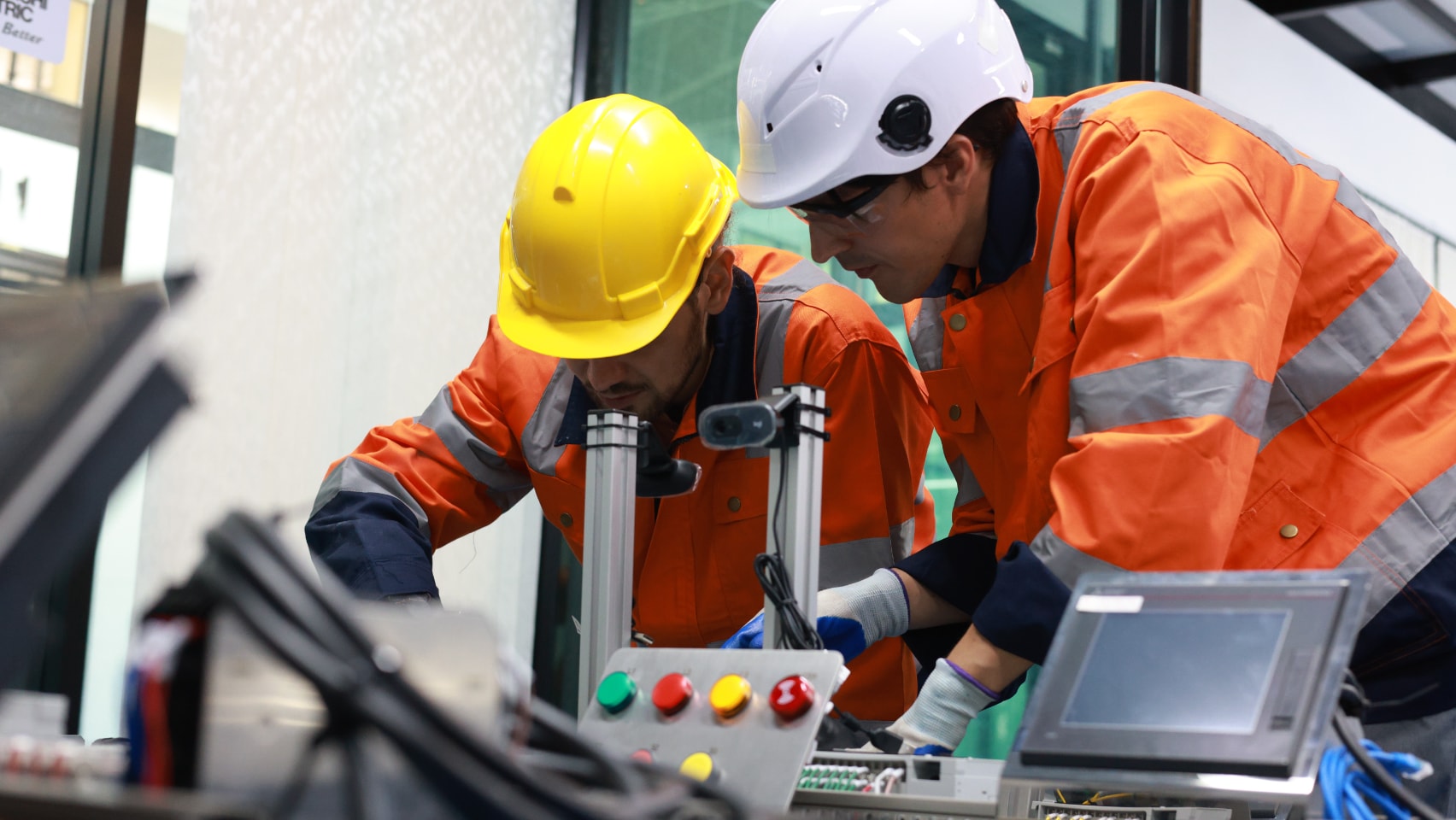





Discover how Airtel SD-Branch simplifies network management, enhances security, and delivers seamless connectivity across all your branch locations—all from a single unified platform.

Reduce complex multi-vendor interoperability to ensure quick deployment of branch networks within days.

End to end managed services from network design and implementation to maintenance and 24*7 support.

Achieve faster roll out using media agnostic connectivity paired with software-defined networking solutions.

Single dashboard for real-time analytics into performance, network, devices, and location data.

Safeguard branch networks with malware protection, content filtering, identity based firewall and intrusion prevention.

OPEX-based pricing and a shared resources NOC resulting in reduced costs compared to multiple vendor offerings.




Flexible and agile network solutions basis your business expansion needs.
Learn More
Learn more about Managed SD-WAN
Ensure reliable internet for all with IT interventions.
Learn More
Learn more about Managed Wi-Fi
Get always-on connectivity with across all business location for heightened collaboration.
Learn More
Learn more about SD-WAN Lite
Increased network security for assured business continuity.
Learn More
Learn more about Secure Internet
SD-Branch combines your branch office’s network, Wi-Fi, and security into one software-controlled platform. Think of it as replacing multiple hardware boxes—routers, firewalls, switches, wireless controllers—with a unified system managed through cloud software. This architecture lets you control WAN, LAN, wireless, and security policies from a single dashboard. Companies use SD-Branch to simplify branch operations, reduce equipment costs, and manage hundreds of locations without sending IT staff to each site. Airtel SD-Branch delivers this through managed services.
SD-Branch operates through virtualised network functions running on consolidated hardware at each location. Pre-configured devices connect to cloud management systems, automatically downloading their settings and policies. Your IT team controls everything remotely—adjusting bandwidth, updating security rules, monitoring performance—through a centralised dashboard. The software continuously optimises traffic paths, prioritises critical applications, and enforces security policies. When you open a new branch, devices auto-provision themselves within hours. Airtel’s cloud-managed SD-Branch uses Cisco Meraki technology for seamless orchestration across locations.
Businesses struggle with branch network complexity—managing separate vendors for routers, firewalls, and Wi-Fi across multiple sites. Traditional setups require weeks for deployment and on-site IT visits for changes. SD-Branch solves these headaches by consolidating infrastructure and enabling remote management. A pharmaceutical chain with 6,000 stores cut deployment time from weeks to days using this approach. Companies also face security gaps and inconsistent policies across branches. SD-Branch enforces uniform security and delivers 50% cost savings compared to legacy multi-vendor setups.
Traditional branch networks use separate physical appliances—router, firewall, switches, wireless controllers—each requiring individual configuration and maintenance. Setting up takes weeks, changes need on-site visits, and you manage each component through different interfaces. SD-Branch consolidates these functions into unified hardware running software-defined services. You manage everything through one cloud dashboard, deploy branches in hours instead of weeks, and make changes instantly across all locations. Traditional networks have static policies; SD-Branch adapts dynamically, reducing hardware footprint and operational costs significantly.
Managed SD-Branch delivers concrete business advantages:
Deployment time drops from months to days through zero-touch provisioning.
You eliminate multiple vendor contracts, reducing support complexity and expenses.
Cloud-based management means your IT team controls all branches remotely without travel.
Built-in security features protect against threats consistently across locations.
The OPEX model converts large capital expenses into predictable monthly costs.
Airtel’s managed service includes 24/7 NOC support, freeing your team for strategic initiatives.
SD-Branch and SD-WAN serve different purposes. SD-WAN focuses specifically on optimising connections between branches, data centres, and cloud applications—managing how traffic flows across wide area networks. SD-Branch extends this concept to encompass your entire branch infrastructure: WAN, LAN, wireless, and security. While SD-WAN handles connectivity between locations, SD-Branch manages everything within each location too. Think of SD-WAN as highways connecting cities, while SD-Branch includes the highways plus all roads, traffic signals, and security within each city.
Secure SD-Branch embeds protection throughout your network architecture. Zero Trust principles verify every device and user before granting access. Integrated firewalls, intrusion prevention, and malware protection operate at each location without separate appliances. Traffic segmentation isolates different user groups—keeping guest Wi-Fi separate from corporate systems. Centralised policy enforcement ensures consistent security across all branches. Powered by Cisco Meraki, SD-Branch adds advanced firewall capabilities and intelligent threat detection, eliminating security gaps across the entire branch network. Content filtering blocks malicious sites while identity-based controls restrict access to sensitive resources. Fortinet’s SD-Branch solution includes next-generation firewall capabilities built directly into the platform, eliminating security gaps.
Growing businesses face mounting branch networking challenges. Opening new locations traditionally takes months—waiting for circuits, shipping equipment, configuring devices. SD-Branch reduces this to days through cloud provisioning. Managing 50 branches means juggling multiple vendor relationships and inconsistent configurations. SD-Branch provides single-dashboard control across all sites. Limited IT resources get stretched visiting branches for routine changes. Remote management eliminates these trips. Security vulnerabilities increase with expansion, especially with IoT devices. SD-Branch enforces uniform protection policies automatically, preventing breaches common in distributed networks.
SD-Branch delivers measurable cost savings across multiple areas. Hardware expenses drop by consolidating routers, firewalls, switches, and controllers into unified platforms. MPLS circuit costs decrease as SD-Branch intelligently routes traffic over cheaper broadband connections. Operational expenses fall dramatically—no travel for on-site configuration, fewer vendor contracts to manage, reduced support complexity. Companies report 50% total networking cost reductions. The OPEX model eliminates large upfront investments. Power consumption decreases with fewer devices. Airtel SD-Branch’s managed service model shares NOC resources across clients, further reducing costs.
SD-Branch adapts to any branch size through software flexibility. Small retail outlets need basic connectivity and Wi-Fi—SD-Branch delivers this with compact, affordable devices. Large regional offices require advanced routing, multiple VLANs, and heavy bandwidth—the same platform scales up through software configuration. Hardware gets right-sized for each location’s needs while maintaining centralised management. A 10-person clinic and 500-employee campus use the same management interface, just different capacity settings. This scalability particularly benefits organisations with mixed branch sizes, eliminating the complexity of different solutions per location type.
SD-Branch enhances performance through intelligent traffic management and path selection. Instead of routing everything through headquarters, branches connect directly to cloud applications, reducing latency. Multiple internet links provide automatic failover—if one connection fails, traffic instantly switches paths. Application prioritisation ensures video calls and critical systems get bandwidth first. Session Smart Routing accelerates response times by optimising packet flows. Local breakout for trusted applications like Office 365 avoids unnecessary backhaul. Performance monitoring identifies bottlenecks before users complain. These improvements deliver faster, more consistent connectivity compared to traditional hub-and-spoke architectures.
SD-Branch dramatically simplifies deployment and management. Zero-touch provisioning means devices configure themselves automatically—just plug in and connect to the internet. No technical expertise needed at branch sites. Cloud management eliminates complex command-line configurations, replacing them with intuitive dashboards. Adding new services or changing policies takes minutes, not hours. Pre-built templates standardise configurations across locations. Automated firmware updates keep systems current without manual intervention. IT teams manage hundreds of branches as easily as managing ten. Airtel SD-Branch includes professional deployment support, making setup even simpler for businesses.
SD-Branch creates seamless connectivity for distributed workforces. Remote employees connect through secure tunnels that extend branch network policies to their home offices. Multi-site businesses get automatic site-to-site connectivity without complex VPN configurations. Cloud-managed architecture means employees access resources consistently whether working from headquarters, branch offices, or home. Identity-based policies follow users across locations. Integrated security protects data regardless of connection point. Performance optimisation ensures remote workers experience branch-quality connectivity. This unified approach particularly benefits hybrid organisations where employees split time between multiple locations, maintaining productivity everywhere.
Managed SD-Branch returns hours to IT teams through automation and outsourcing. Zero-touch deployment eliminates manual configuration tasks. Centralised management replaces visiting branches for routine changes. Automated monitoring prevents issues before they impact users. Instead of managing multiple vendor relationships, IT works with one managed service provider. 24/7 NOC support handles routine troubleshooting and maintenance. Pre-configured templates standardise deployments across locations. Proactive firmware updates and security patches happen automatically. IT teams focus on strategic initiatives rather than network maintenance. Airtel’s managed SD-Branch includes dedicated support, further reducing operational burden.
SD-Branch optimises cloud application performance through intelligent routing and prioritisation. Direct internet breakout connects branches straight to Office 365 and Zoom servers, avoiding latency from backhauling through headquarters. Dynamic path selection chooses the fastest route to cloud services. Application-aware policies prioritise video conferencing and collaboration tools over less critical traffic. Built-in acceleration techniques improve response times. Quality of Service rules ensure consistent performance during peak usage. Local caching reduces bandwidth consumption for frequently accessed cloud content. These optimisations make cloud applications perform like local applications, essential for modern business productivity.
SD-Branch easily creates isolated wireless networks for different user groups. Guest Wi-Fi runs completely separate from corporate networks, preventing visitors from accessing company resources. Staff devices connect to secure corporate Wi-Fi with full access privileges. IoT devices get their own isolated network segment. Identity-based authentication ensures only authorised users join each network. Bandwidth limits prevent guests from impacting business operations. Customisable splash pages provide branded guest experiences. All wireless networks share the same physical access points but remain logically separated. This segmentation happens automatically through SD-Branch policies, maintaining security without complexity.
Yes, Airtel Business offers comprehensive SD-Branch services across India. Their solution integrates SD-WAN, LAN, Wi-Fi, security, and analytics on a single platform powered by Cisco Meraki technology. Airtel’s managed SD-Branch includes zero-touch provisioning, centralised cloud management, and integrated security features like malware protection and Zero Trust frameworks. A major pharmaceutical chain deployed Airtel SD-Branch across 6,000 stores, achieving faster rollouts and centralised control. The service operates on an OPEX model with 24/7 NOC support. Airtel’s extensive network infrastructure and local expertise make them a leading SD-Branch provider.
Retail chains benefit enormously—managing hundreds of stores becomes simple with centralised control and rapid deployment. Banks and NBFCs use SD-Branch for secure, compliant branch networks supporting everything from ATMs to customer service centres. Manufacturing companies connect factory floors, warehouses, and offices seamlessly. Healthcare organisations ensure reliable connectivity for patient care systems across clinics and hospitals. Hospitality businesses deliver consistent guest Wi-Fi experiences across properties. Logistics companies track shipments and manage distributed operations efficiently. Any industry with multiple locations benefits, but those with 10+ sites see the most dramatic operational improvements.
SD-Branch transforms expansion from a months-long IT project into a plug-and-play process. Opening traditional branches requires ordering circuits, shipping equipment, and sending IT staff for setup—taking 8-12 weeks typically. With SD-Branch, pre-configured devices ship directly to new locations. Staff simply plug them in; cloud provisioning handles the rest within hours. Standardised templates replicate your exact network configuration across sites. No specialised technical knowledge needed on-site. This speed advantage lets businesses seize market opportunities quickly. Retail chains particularly benefit, opening stores in days instead of months.
Contact Airtel Business to discuss your branch networking requirements and current challenges. Their team assesses your existing infrastructure, bandwidth needs, and security requirements across all locations. You’ll receive a customised solution design including hardware specifications, connectivity options, and monthly OPEX pricing. Airtel handles end-to-end deployment—from circuit provisioning to device configuration. Implementation typically begins with pilot sites before full rollout. Their 24/7 NOC provides ongoing management and support post-deployment. Visit airtel.in/b2b/sd-branch or speak with an Airtel Business representative to begin transforming your branch infrastructure.