Secure Every Site with Airtel Managed Firewall Solutions
Learn More Learn more about Managed Firewall

Modern DDoS attacks are no longer just simple traffic floods. Attackers now use burst attacks, encrypted HTTPS floods, DNS amplification, and ransom DDoS together to overwhelm network. Keep critical applications, websites, APIs, and digital services available by automatically detecting and mitigating DDoS attacks before they impact customer experience.

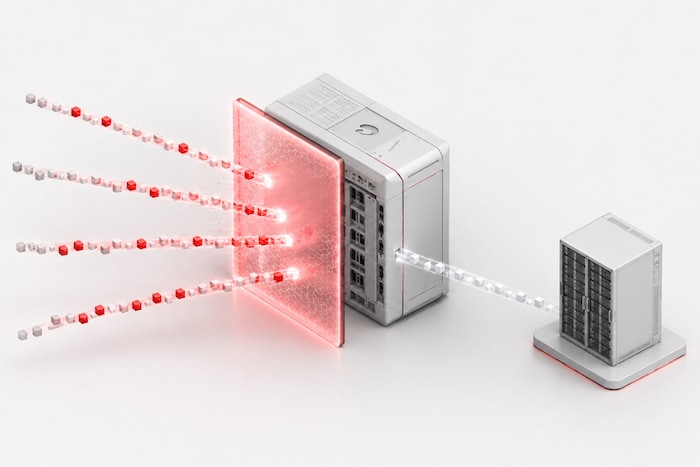




Attacks miitgated inside India's largest IP backbone, before they reach your link

10+ Tbps across 16+ scrubbing centres worldwide, with sovereign scrubbing in India

AI-led behavioral detection protecting against zero-day, encrypted, burst, and carpet-bombing attacks in real time

Mitigation starts the instant an attack hits, with no wait time to reroute






Expertise in managing nationwide telco backbone with zero-day downtime

Intelligence from robust telco data & partner feeds

Single pane across network, data & workforce security

24x7, Autonomous detection to response
500+ experts compliant with top certifications
Strong Advisory practice and operating model
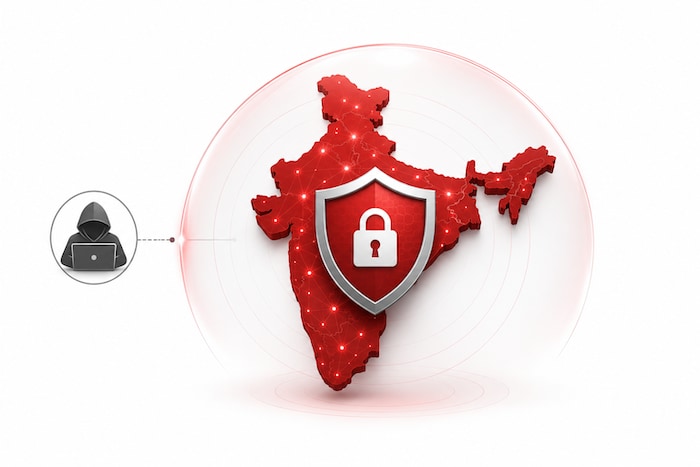
Airtel maintains zero business interruption in our environment through micro-segmentation


Built and tested across one of India’s largest and most attacked digital ecosystems

Proven, large-scale innovations reducing fraud and cyber risk across millions of users
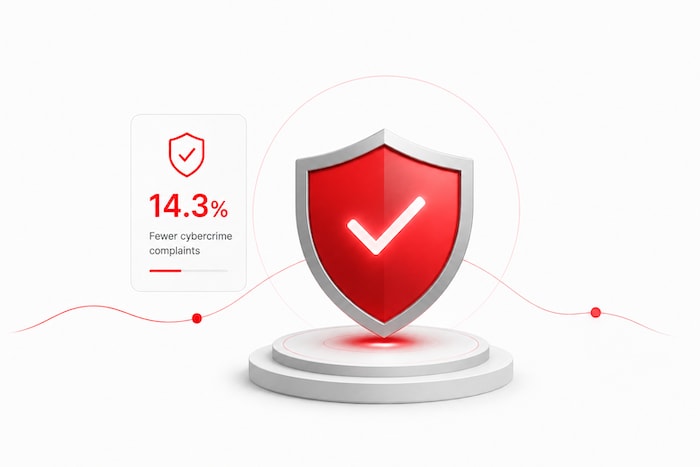
Large-scale fraud prevention initiatives delivering measurable impact for millions of users

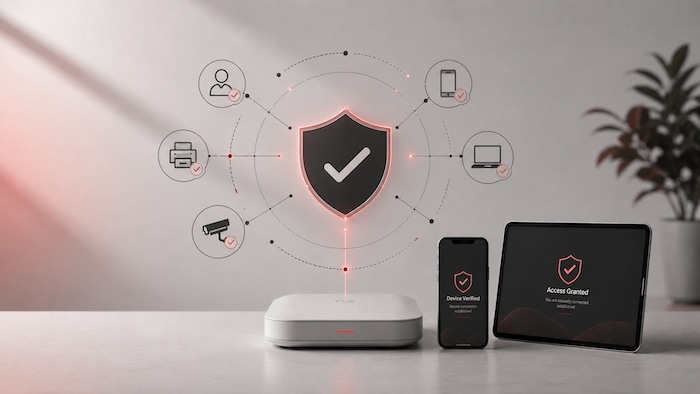


Secure Every Site with Airtel Managed Firewall Solutions
Learn More
Learn more about Managed Firewall
Authenticates users, profiles devices, and enforces policy at the moment of connection
Learn More
Learn more about Managed NAC
Accelerating secure transformation with Zero Trust Architecture
Learn More
Learn more about Secure Digital Internet
Eliminate threats at the network layer before they reach your enterprise
Learn More
Learn more about Network Security

A DDoS attack floods your servers with fake traffic from thousands of compromised devices, making your website or services unreachable. Think of it as a digital traffic jam. Attackers use three main methods: volumetric attacks (75% of cases) that clog bandwidth with UDP or DNS floods, protocol attacks exploiting TCP handshakes, and application-layer attacks targeting specific web services. In 2024, attacks nearly doubled globally, with the largest reaching 29.7 terabits per second.
DDoS protection services filter malicious traffic before it reaches your servers. They detect attacks by analysing traffic patterns, then divert suspicious data through scrubbing centres while letting legitimate users through. Modern systems use anycast networks, behavioural analysis, and protocol filtering across multiple layers. Protection happens through cloud-based centres handling 10+ Tbps capacity, on-premise appliances for local defence, or hybrid models combining both. The service continuously monitors packets, bits, and requests per second for anomalies.
Start by minimising your attack surface—place resources behind CDNs and restrict direct internet access. Configure firewalls with strict access control lists and implement rate limiting to cap requests from single IPs. Deploy a Web Application Firewall for HTTP traffic filtering. Monitor traffic patterns continuously to spot unusual spikes. Consider load balancers to distribute traffic across servers. For comprehensive protection, combine on-premise defences with cloud-based scrubbing services that handle volumetric attacks your infrastructure cannot absorb alone.
E-commerce sites face attacks during sales events, with criminals demanding ransom or competitors disrupting operations. Gaming companies see 49% of attacks targeting servers during tournaments or new releases. Banks experience protocol attacks disrupting online banking and payment gateways. Communication providers faced 69% of 2024’s attacks. Healthcare systems suffer application-layer attacks on patient portals. Media streaming services get hit during live events. Recent examples include 1.6 Tbps attacks in 2024, with average incidents lasting 45 minutes.
Traditional firewalls check individual data packets but struggle with distributed attacks from millions of sources. They cannot distinguish between legitimate traffic surges and attacks. Volumetric attacks simply overwhelm firewall capacity—when 1 Tbps hits your 10 Gbps firewall, it fails. Application-layer attacks use valid HTTP requests that pass firewall rules. Protocol attacks exploit allowed services like DNS. Modern attacks use multiple vectors simultaneously, changing patterns faster than firewalls update. Your firewall becomes another bottleneck rather than protection.
Unprotected businesses lose ₹ 6,000 per minute during attacks—averaging ₹ 2,70,000 per incident. Beyond immediate revenue loss, consider reputational damage when customers cannot access your services. Recovery takes hours or days without proper protection. Modern attacks increased 81% in 2024, with sophisticated multi-vector approaches traditional defences cannot handle. DDoS protection ensures business continuity, maintains customer trust, and costs far less than downtime. With attacks lasting longer (120% increase in hour-plus incidents), protection becomes essential infrastructure.
Real-time detection blocks attacks within seconds using continuous traffic analysis and behavioural monitoring. Systems identify anomalies instantly, triggering automatic mitigation before services degrade. Post-event mitigation reacts after damage occurs, analysing logs to understand attack patterns for future prevention. While post-event provides valuable insights, businesses suffer downtime and revenue loss meanwhile. Modern protection combines both—immediate response stops current threats while analysis improves future defences. High-performance heuristic engines now detect even zero-day attacks without prior signatures.
Integrating DDoS protection into your Security Operations Centre provides unified threat management and correlated insights across security layers. SOC teams gain complete visibility, linking DDoS attempts with other security events. Standalone solutions offer dedicated resources and specialised expertise, preventing SOC overload during massive attacks. Many businesses choose hybrid approaches—SOC handles detection and coordination while specialised DDoS services manage mitigation. Consider your team’s expertise, attack frequency, and existing security infrastructure when deciding. Both work effectively with proper implementation.
CERT-In mandates critical sectors implement adequate DDoS protection measures under the Information Technology Act. RBI’s cybersecurity framework requires banks to maintain service availability and implement controls against denial-of-service attacks. SEBI guidelines for market infrastructure institutions specify business continuity planning must address DDoS scenarios. Non-compliance attracts penalties and regulatory action. Organisations must demonstrate protective measures, incident response capabilities, and regular testing. Documentation requirements include protection policies, mitigation procedures, and attack response reports for regulatory audits.
ISO 27001 requires implementing controls for availability management—DDoS protection directly addresses this requirement. PCI-DSS mandates maintaining secure networks and systems, including protection against service disruptions. Protection services provide audit trails, attack reports, and uptime metrics needed for compliance documentation. They ensure business continuity planning meets regulatory standards. Automated reporting simplifies compliance demonstrations during audits. Many frameworks now specifically mention DDoS resilience. Without adequate protection, organisations fail availability requirements across multiple standards, risking certification loss and penalties.
Modern dashboards display attack traffic volumes, source countries, and targeted services through interactive graphs. You’ll see real-time metrics—packets per second, bandwidth consumption, and blocked versus allowed traffic. Heat maps show global attack origins. Timeline views track attack duration and intensity changes. Alert panels highlight critical events requiring attention. Traffic analytics compare current patterns against historical baselines. Drill-down features let you examine specific IPs or protocols. Dashboards include mitigation effectiveness metrics, showing how much malicious traffic was filtered.
Yes, advanced protection services detect zero-day attacks through behavioural analysis rather than signature matching. They identify traffic anomalies—unusual packet sizes, protocol deviations, or request patterns—without needing prior attack knowledge. Heuristic engines analyse traffic characteristics against normal behaviour baselines. Machine learning models adapt to new attack methods. However, completely novel techniques might briefly succeed before systems adapt. Modern services combining multiple detection methods catch most zero-day attempts. Continuous monitoring and automatic mitigation updates strengthen defences against emerging threats.
Airtel DDoS Security operates 16+ global scrubbing centres with 10+ Tbps mitigation capacity, surpassing typical provider capabilities. The hybrid architecture combines cloud and on-premise protection, unlike single-approach solutions. Multi-ISP protection covers non-Airtel links through pool capacity—rare among providers. Traffic routes always go through scrubbing centres, switching to active mitigation instantly when attacks begin. The unified portal manages alerts, analytics, and multiple link protection centrally. Unlimited volumetric mitigation means no attack overwhelms capacity, addressing the 1.6 Tbps attacks seen in 2024.
E-commerce platforms need continuous availability for transactions, especially during sales when attacks spike. The BFSI sector faces regulatory requirements and cannot afford service disruptions affecting customer accounts. Gaming companies, experiencing 49% of attacks, protect player experiences and virtual economies. Healthcare providers safeguard patient portal access and telemedicine services. Government agencies maintain public service delivery. Media streaming prevents disruptions during live broadcasts. Communication providers, facing 69% of 2024’s attacks, protect critical infrastructure. Any business depending on online presence benefits from protection.
Cloud-based protection activates within hours after DNS configuration changes. You’ll update nameservers or implement BGP announcements, routing traffic through protection networks. On-premise appliances need 2-3 days for shipping and installation. Hybrid deployments combining both take 3-5 days typically. Initial configuration includes defining protection policies, setting thresholds, and establishing alert contacts. Testing follows deployment to verify legitimate traffic flows correctly. Emergency deployments during active attacks can activate basic protection within 30 minutes through expedited provisioning, though full optimisation takes longer.
Quality protection services actually improve performance through global content caching and optimised routing. Traffic travels through nearby scrubbing centres, adding minimal latency—typically under 5 milliseconds. Anycast networks route users to the closest locations automatically. During attacks, protected sites maintain normal speeds while unprotected ones slow or crash entirely. Some providers compress content and optimise delivery paths. However, poorly configured services or distant scrubbing centres might add 10-30 ms latency. Choose providers with extensive regional presence for best performance.
Cloud infrastructure provides basic DDoS protection, but sophisticated attacks still penetrate these defences. Cloud providers protect their infrastructure, not necessarily your specific applications. Application-layer attacks targeting your services pass through cloud protections. Multi-cloud deployments create additional vulnerabilities between providers. Dedicated DDoS protection adds specialised defences beyond basic cloud offerings. It provides granular control, detailed analytics, and faster response times. Consider that 2024’s attacks reached 29.7 Tbps—far exceeding most cloud providers’ standard protection thresholds.
Evaluate global scrubbing capacity—providers should handle 10+ Tbps for future attack scales. Check scrubbing centre locations near your users for minimal latency. Verify protection covers all attack types: volumetric, protocol, and application-layer. Multi-ISP support matters if you use several connectivity providers. Review SLA guarantees for uptime and mitigation speed. Ensure 24×7 support with security experts, not just technical staff. Consider deployment flexibility—cloud, on-premise, or hybrid options. Pricing transparency prevents surprise costs during major attacks requiring extended mitigation.
Modern protection services track attack sources, methods, and patterns through detailed analytics. Dashboards show originating countries, IP addresses, and attack vectors used. Most attacks last under 10 minutes (87% in 2024), though some persist for hours. The longest 2024 attack continued for 16 hours. Average duration increased 18% to 45 minutes. Tracking helps identify trends—repeat attackers, preferred methods, and timing patterns. This intelligence improves future protection. However, attackers often use spoofed addresses and botnets, making precise attribution difficult.
Reduce attack surfaces by limiting public-facing services and using access control lists. Implement rate limiting on APIs and login pages. Deploy traffic through CDNs for absorption capacity. Monitor baseline traffic patterns to recognise anomalies quickly. Keep infrastructure updated—old systems have known vulnerabilities. Plan incident response procedures before attacks hit. Test defences regularly through controlled simulations. Document normal traffic for comparison during incidents. Build relationships with ISPs for upstream filtering assistance. Most importantly, deploy comprehensive DDoS protection services for attacks exceeding your infrastructure capacity.