
Connectivity you trust. Security you need. All in one solution.
Airtel Secure Internet combines India’s most reliable leased line with Gartner-recognized Fortinet security. It delivers real-time threat detection, unified visibility, and enterprise-grade support without adding complexity. This helps businesses reduce downtime, improve productivity, and protect critical operations as they scale
- One Stop Shop
- Threat Detection
- Network Visibility
One Vendor, Complete Protection
- Combines connectivity, security, and manageability in one solution
- Eliminates multiple vendors and complex integrations
- Ensures seamless operations with a single point of accountability

Real-Time Monitoring and Response
- 24×7 monitoring by Airtel’s Intelligent SOC
- Proactive threat identification and mitigation
- AI-driven analytics for faster resolution and reduced risk
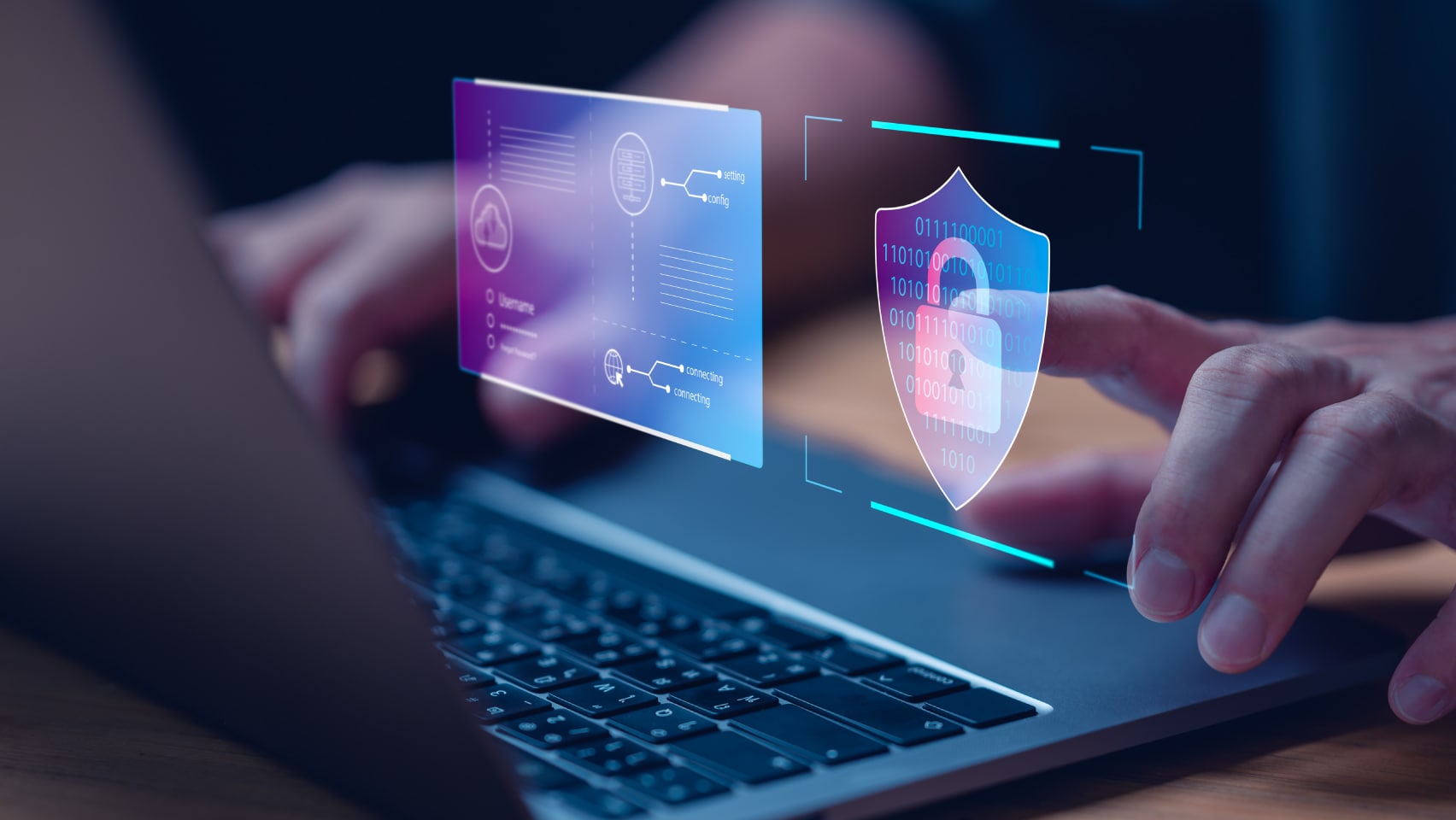
Complete Control from One Dashboard
- Single-pane view for network and security oversight
- Real-time insights into health and compliance
- Simplifies audits and reporting for IT teams
Exclusive features of Airtel Secure Network solutions
-

Complete security
Installed on-premises with firewall, including anti-spam, intrusion prevention, and content filtering for complete protection.
-

End-to-end manageability
Includes onsite installation, onsite support, change management, proactive monitoring of device health check-up, and comprehensive support from our Secure Intelligence Center.
-

High-speed connectivity
2 Mbps to 1 Gbps speed of superior high-speed connectivity to enhance and power your network performance.
-

Superior partnerships
Partnership with leading network security players and with scrubbing centers worldwide, integrated with Airtel Gateway Routers.
-

Flexible deployment models
Allows the flexibility to deploy an integrated solution that bundles enterprise-grade internet with firewall or DDOS appliances, which are pre-configured as per the bandwidth and appliance size.
Security Products designed to transform your business


Custom solutions, empowering your business journey
















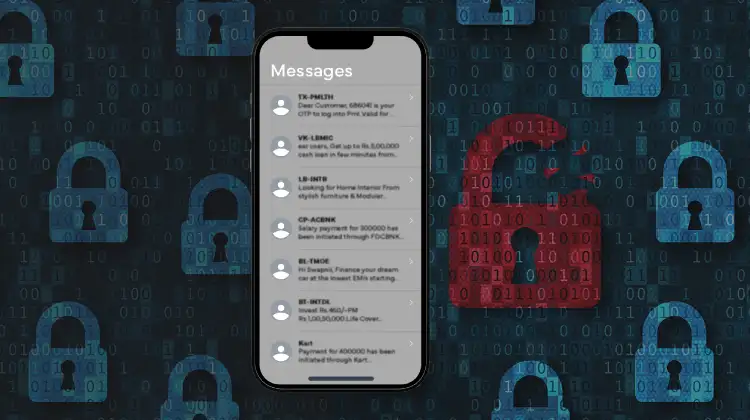
Frequently Asked Questions on Airtel Secure Internet for Business
What is Secure Internet and how does it protect my business?
Secure Internet combines multiple protective technologies to safeguard business networks from cyber threats. It integrates next-generation firewalls, intrusion prevention systems, and content filtering into a unified security framework. Firewalls block unwanted traffic and malware based on pre-programmed rules, while deep packet inspection analyses data at the application level.
Why do companies need Secure Internet solutions?
Companies need Secure Internet solutions to protect sensitive business and customer data from cyber threats like malware, breaches and unauthorized access. Airtel Secure Internet strengthens your network with firewalls, content filtering and real‑time monitoring so operations stay secure and uninterrupted. It also enables safe remote work, reduces downtime caused by attacks, and lowers the cost and complexity of managing cybersecurity without heavy investment in hardware. This helps businesses stay resilient and focused on growth.
What types of cyber threats can Secure Internet prevent?
Airtel Secure Internet protects businesses from a wide range of cyber threats. It blocks malware, ransomware, phishing attacks, and unauthorized access attempts, safeguarding sensitive data and critical systems. The solution also prevents botnet attacks, spyware, and malicious websites from compromising networks. By combining firewalls, intrusion prevention, content filtering, and real-time monitoring, Secure Internet ensures your business stays protected against evolving cyber risks, keeping operations safe, compliant, and uninterrupted.
How does a business firewall improve network security?
Business firewalls monitor and filter network traffic based on established security policies, creating a barrier between internal networks and the public internet. Next-generation firewalls add application control, threat intelligence integration, and SSL/TLS inspection capabilities. Testing showed certain enterprise firewalls achieved 100% threat block rates while maintaining 30% faster performance than competitors. Businesses implementing these systems report 95% reduction in malware infections, 80% faster incident response times, 70% better threat detection accuracy, and 60% fewer false positive alerts.
What features are included in a Secure Internet solution?
Airtel Secure Internet includes several built‑in features to protect your business network and simplify security management: enterprise‑grade firewall protection with anti‑spam, intrusion prevention and content filtering to block threats; end‑to‑end manageability with onsite installation, support, proactive monitoring and change management; high‑speed connectivity from 2 Mbps to 1 Gbps; partner integrations with global security players; and flexible deployment models to suit your setup.
Does Secure Internet help safeguard customer data?
Yes, Secure Internet protects customer information through multiple security layers. Encryption protocols secure data transmission, while access controls restrict unauthorised database entry. Intrusion prevention systems block attempts to transfer sensitive information outside approved boundaries. With business email compromise averaging ₹215 million per incident in India, comprehensive security prevents data theft through phishing (₹209 million average cost) and social engineering attacks. Content filtering blocks access to malicious sites, while continuous monitoring detects unusual data movement patterns before breaches occur.
How does Secure Internet support remote work security?
Airtel Secure Internet helps secure remote work by ensuring employees can safely access business applications and cloud services from anywhere without exposing your network to threats. It protects remote connections from unauthorised access and cyber risks, keeping sensitive data safe while enabling seamless productivity for distributed teams. By combining high‑grade firewall, content filtering, and secure network monitoring, it lets your workforce work online securely without compromising business security.
Can Secure Internet prevent unauthorized network access?
Secure Internet employs multiple barriers against unauthorised access. Firewalls enforce strict access policies, blocking connection attempts from unrecognised sources. Network segmentation isolates critical systems, limiting potential breach impact. Intrusion prevention actively blocks suspicious login attempts and abnormal traffic patterns. Address Resolution Protocol spoofing protection prevents traffic redirection attacks. Combined with continuous monitoring and automated threat response, these measures create comprehensive defence against both external hackers and insider threats.
What bandwidth options are available with Secure Internet?
Secure Internet solutions support various bandwidth requirements, from 10 Mbps for small offices to multi-gigabit connections for large enterprises. Internet leased lines provide dedicated, symmetrical bandwidth ensuring consistent performance for critical applications. Unlike shared broadband, dedicated connections maintain full speeds regardless of network congestion. Companies can adjust capacity based on user count, application requirements, and data transfer volumes.
How does content filtering enhance business security?
Content filtering provides precise control over employee web access, blocking inappropriate and dangerous websites. By preventing access to phishing sites, malware distribution points, and compromised domains, it stops threats before they reach the network. Productivity improves when social media and entertainment sites are restricted during work hours. Category-based blocking protects against newly registered suspicious domains, while custom policies accommodate specific business needs. Real-time threat intelligence updates ensure protection against emerging web-based attacks, reducing infection risks by up to 80%.
Is Secure Internet scalable for growing businesses?
Secure Internet solutions scale seamlessly with business growth. Cloud-based security services accommodate increasing user counts without hardware upgrades. Bandwidth adjusts from 10 Mbps to multi-gigabit speeds as needed. Security policies apply consistently whether protecting 10 or 10,000 users. Centralised management simplifies adding new locations, while automated threat updates maintain protection levels regardless of network size. Airtel’s managed services handle scaling complexities, ensuring security keeps pace with expansion.
Do I need to invest in additional hardware for Secure Internet?
Most Secure Internet solutions require minimal hardware investment. Cloud-based security services eliminate the need for on-premises appliances, reducing capital expenditure. Managed firewall services include necessary equipment within monthly fees. Existing routers and switches typically integrate with security platforms through simple configuration changes. Virtual security appliances run on existing servers, while software agents protect individual endpoints. This approach reduces upfront costs while providing enterprise-grade protection through operational expense models.
How does Secure Internet ensure continuous network monitoring?
Continuous monitoring employs 24/7 Security Operations Centres staffed by certified professionals tracking network activity. Automated systems analyse traffic patterns, detecting anomalies indicating potential threats. Security Information and Event Management platforms centralise logs from all network devices, correlating events to identify attack patterns. Real-time alerts notify administrators of suspicious activities within minutes. Airtel’s SOC includes 350+ security experts providing round-the-clock vigilance. Machine learning algorithms identify zero-day threats by recognising unusual behaviours, while threat intelligence feeds update defences against emerging risks.
Can Secure Internet detect and block malicious websites?
Yes, Secure Internet solutions actively identify and block dangerous websites through multiple methods. Real-time threat intelligence databases containing millions of known malicious URLs update continuously. DNS filtering prevents connections to suspicious domains before they establish. Deep packet inspection examines web traffic for hidden malware, blocking infected sites even if they appear legitimate. Behavioural analysis identifies newly compromised websites exhibiting abnormal patterns. Category-based filtering automatically blocks high-risk site types including gambling, adult content, and newly registered domains commonly used for phishing.
How does intrusion prevention work in Secure Internet solutions?
Intrusion Prevention Systems monitor network traffic continuously, identifying and blocking malicious activities automatically. They analyse data packets for attack signatures, abnormal patterns, and protocol violations. Upon detecting threats, IPS immediately terminates dangerous connections, removes malicious content, and alerts security teams. Advanced systems use behavioural analysis to catch zero-day exploits lacking known signatures. Deployment between firewalls and internal networks ensures comprehensive protection while maintaining network performance through efficient traffic processing.
Does Secure Internet reduce the risk of data breaches?
Secure Internet significantly reduces breach risks through layered defences. With Indian data breaches averaging ₹195 million in 2024, prevention proves far more economical than remediation. Multiple security technologies work together: firewalls block initial intrusions, intrusion prevention stops active attacks, and content filtering prevents malware downloads. Continuous monitoring detects breach attempts early, while automated responses contain incidents before data exfiltration occurs. Companies using comprehensive security report 70-95% fewer successful attacks, protecting both financial assets and reputation.
How quickly can security changes be implemented?
Security policy changes typically apply within minutes across the entire network. Blocking newly identified threats, adding firewall rules, or adjusting content filters happens immediately through centralised control. Automated threat response activates protective measures in seconds when detecting attacks. Airtel’s managed services include dedicated support teams implementing urgent changes rapidly. Unlike traditional hardware-based security requiring manual updates at each location, modern Secure Internet solutions distribute policy modifications globally through single administrative actions.
What are the benefits of having end-to-end manageability?
End-to-end manageability simplifies security administration through single-pane-of-glass visibility across all network components. Administrators configure policies once, applying them consistently across locations, devices, and users. Centralised logging correlates security events from firewalls, intrusion prevention, and content filtering for comprehensive threat analysis. Automated reporting tracks security metrics, compliance status, and incident trends.
What industries can benefit from Secure Internet solutions?
Every industry handling sensitive data benefits from Secure Internet, particularly banking (protecting financial transactions), healthcare (securing patient records under HIPAA compliance), retail (safeguarding payment card data for PCI DSS), manufacturing (protecting intellectual property), and education (securing student information). Government agencies require robust security for citizen data, while IT services companies protect client information. E-commerce platforms prevent payment fraud, logistics firms secure shipment data, and professional services safeguard confidential client documents. Any business processing customer information needs comprehensive security.
How do I choose the right Secure Internet solution for my business?
Assess your specific requirements: user count, bandwidth needs, compliance obligations, and threat exposure levels. Evaluate providers’ infrastructure reach, security certifications, and support capabilities. Compare managed versus self-managed options based on internal IT expertise. Consider scalability for future growth and integration with existing systems. Review Service Level Agreements for uptime guarantees and incident response times. Calculate total ownership costs including hardware, licensing, and management.
Need more information about